Role of Diet in Liver Health
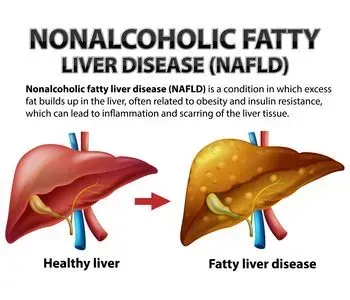
Dietary choices significantly influence liver health. A diet high in processed foods, saturated fats, and sugars can burden the liver, potentially leading to fatty liver disease, inflammation, and long-term damage. Conversely, a balanced and nutritious diet can actively support liver function, promoting overall well-being.
Nutrients Essential for Liver Health
Antioxidants: Found in fruits, vegetables, and nuts, antioxidants combat oxidative stress, reducing inflammation and protecting liver cells from damage.
Healthy Fats: Omega-3 fatty acids from sources like fish, flaxseeds, and walnuts support liver function and aid in reducing inflammation.
Fiber: Whole grains, fruits, and vegetables are rich in fiber, promoting digestion and aiding the liver in toxin removal.
Foods Beneficial for Liver Health
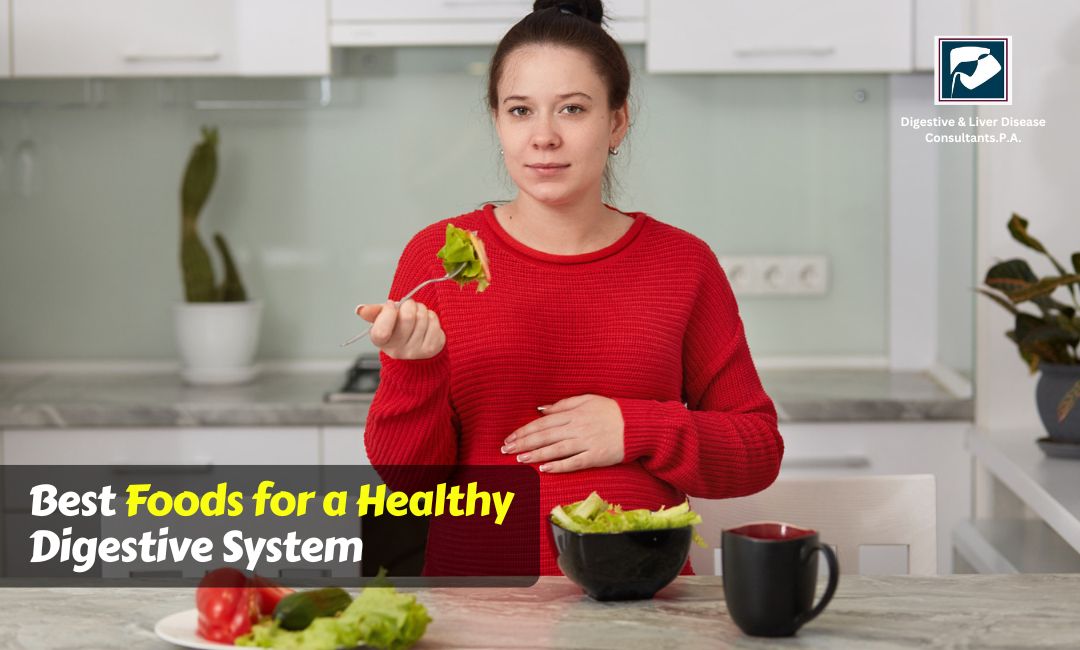
Leafy Greens: Spinach, kale, and other greens are packed with antioxidants and chlorophyll, aiding in liver detoxification.
Cruciferous Vegetables: Broccoli, Brussels sprouts, and cauliflower contain compounds that support liver enzyme production and detoxification pathways.
Turmeric: Known for its anti-inflammatory properties, turmeric supports liver health by reducing inflammation.
Green Tea: High in antioxidants, green tea can protect liver cells from damage and aid in fat metabolism.
Harmful Culprits to Limit or Avoid
Excessive Alcohol: Heavy alcohol consumption can lead to liver inflammation, cirrhosis, and even liver failure.
Added Sugars: High sugar intake can contribute to fatty liver disease, insulin resistance, and inflammation.
Processed Foods: High in unhealthy fats, additives, and preservatives, processed foods burden the liver and hinder its optimal function.
Striking a Balance for Liver Wellness
Aim for a balanced diet that prioritizes whole foods, lean proteins, healthy fats, and a variety of colorful fruits and vegetables. Moderation and mindful eating are key, along with staying hydrated and incorporating regular exercise into your routine.
Conclusion: Empowering Liver Health Through Diet
Understanding the profound connection between diet and liver health empowers us to make informed choices. By nourishing our bodies with nutrient-rich foods and minimizing harmful components, we can actively support our liver's vital functions, promoting long-term wellness and vitality.
Remember, consulting with a healthcare professional or a registered dietitian can provide personalized guidance for maintaining a diet conducive to optimal liver health. Let's embrace the power of nutrition to nurture our liver, ensuring its resilience and vitality for years to come.