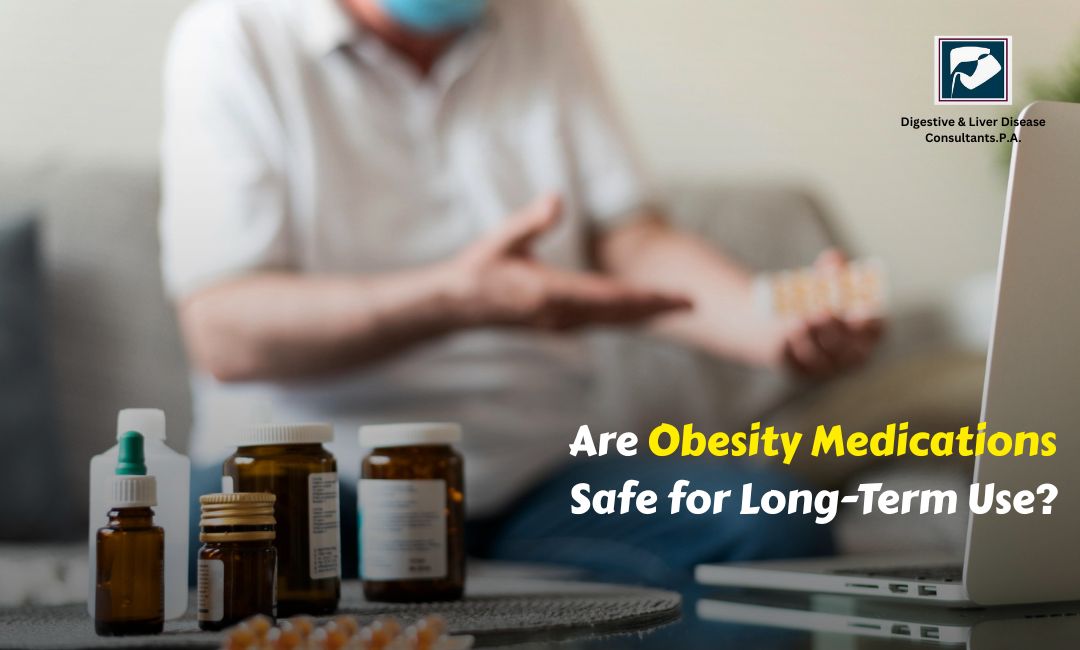
Obesity is a chronic condition that affects millions worldwide. Along with lifestyle changes like diet and exercise, medications are increasingly being used as part of long-term obesity treatment. But many people wonder—are obesity medications safe for long-term use? Understanding obesity pharmacotherapy, potential risks, and safety guidelines is essential before starting treatment.
Understanding Obesity Medications
Obesity medications, also called anti-obesity drugs or weight management medications, are designed to help patients achieve and maintain weight loss, particularly when lifestyle changes alone are insufficient. These medications work in different ways: some suppress appetite, others slow fat absorption, and newer options influence hormones that regulate hunger.
Common FDA approved obesity drugs include GLP-1 receptor agonists, orlistat, and bupropion/naltrexone combinations. In India, several safe weight loss medications are available under strict medical supervision.
The Role of Medications in Chronic Obesity Treatment
Obesity is a complex, chronic disease. Long-term obesity treatment often requires a combination of lifestyle interventions and pharmacotherapy. Managing obesity with medicine is recommended for patients with:
- BMI over 30 kg/m⊃2;
- BMI over 27 kg/m⊃2; with obesity-related health conditions such as diabetes or hypertension
Weight loss medications are intended to support healthy habits and improve outcomes in chronic obesity treatment.
Long-Term Safety of Obesity Drugs
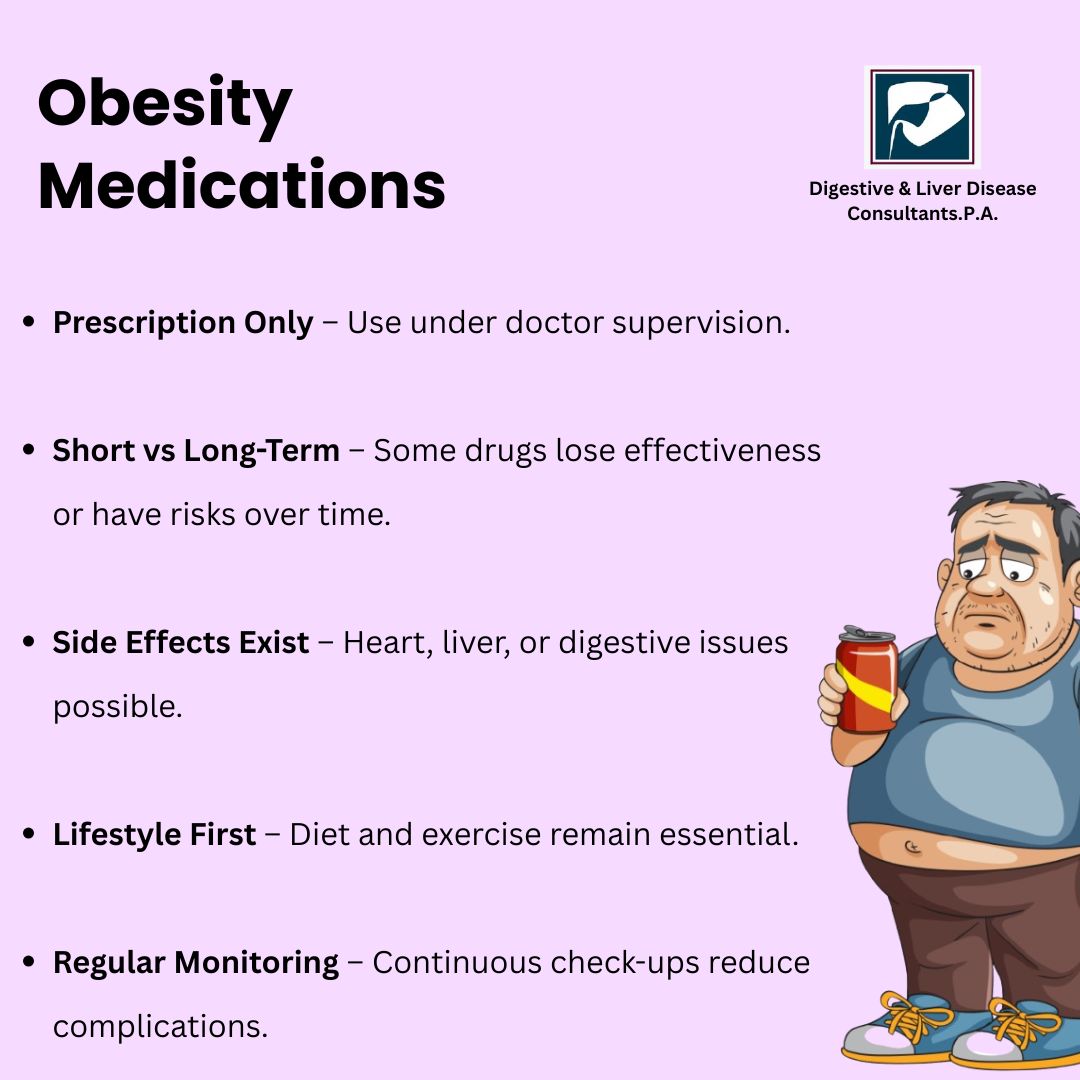
One of the most common concerns is obesity medications safety over time. Long-term weight loss drugs, when used under proper medical guidance, have been shown to be generally safe and effective. For instance, GLP-1 safety has been studied extensively, with most patients tolerating these medications well when monitored.
However, all obesity drug therapy requires regular follow-up to ensure proper dosing, monitor side effects, and evaluate effectiveness. Obesity drug monitoring is a critical part of long-term treatment to minimize risks.
Potential Side Effects
Like all medications, anti-obesity drugs come with potential side effects. Common obesity drug side effects may include:
- Nausea and vomiting
- Gastrointestinal discomfort
- Mild headaches
- Rarely, more serious cardiovascular or metabolic effects
Understanding weight loss medication risks is essential for safe use. Your physician will weigh the benefits of the medication against potential side effects before starting therapy.
Choosing Safe Weight Loss Medications
Safe weight loss medications are those approved by regulatory authorities such as the FDA and prescribed according to obesity therapy guidelines. Key factors include:
- Evidence-based efficacy
- Low risk of severe side effects
- Long-term tolerability
- Compatibility with other medical conditions
FDA approved obesity drugs are considered the gold standard for obesity pharmacotherapy due to thorough clinical testing.
Best Practices for Long-Term Use
To maximize benefits and safety of long-term obesity treatment:
Consult a Specialist
Seek guidance from a gastroenterologist or obesity specialist to identify the right medication and dose.
Regular Monitoring
Obesity drug monitoring should include checkups for blood pressure, glucose, kidney and liver function, and weight trends.
Combine With Lifestyle Changes
Medications are most effective when combined with a balanced diet, regular exercise, and behavioral support.
Follow Obesity Therapy Guidelines
Adhering to recommended treatment protocols ensures safety and reduces long-term complications.
Managing Expectations
Weight management medications are not magic pills. Chronic obesity treatment is about gradual, sustainable weight loss. Patients may lose 5–15% of body weight over months, and maintaining that loss requires ongoing lifestyle management alongside pharmacotherapy.
Anti-Obesity Drugs in India
In India, several safe weight loss medications are available under strict prescription. These medications follow international safety and efficacy standards. Physicians carefully monitor patients for side effects and treatment response to ensure optimal outcomes.
When to Reevaluate Treatment?
Regular check-ins allow doctors to adjust therapy if:
- Weight loss plateaus
- Side effects develop
- Health conditions change
This personalized approach to obesity pharmacotherapy improves outcomes and maintains long-term safety.
Conclusion
Obesity medications can be safe for long-term use when prescribed responsibly and monitored carefully. Long-term weight loss drugs, including GLP-1 receptor agonists, offer significant benefits in managing obesity alongside lifestyle changes. Awareness of obesity drug side effects, adherence to obesity therapy guidelines, and regular follow-up are essential components of chronic obesity treatment.
Safe weight loss medications, combined with proper diet, exercise, and behavioral support, help patients achieve sustainable results while minimizing risks.
If you are considering pharmacotherapy for obesity or want guidance on long-term weight management, consult our top gastro specialist at Digestive & Liver Disease Consultants, P.A. Our team will evaluate your health, recommend safe obesity medications, and provide ongoing monitoring for effective and sustainable weight loss.
Schedule your appointment today to begin your personalized journey toward better health.