Endoscopic ultrasound, commonly known as EUS, is a specialized diagnostic and therapeutic procedure that combines endoscopy and ultrasound to provide detailed imaging of the digestive tract and surrounding organs. This innovative technique has revolutionized gastroenterology by offering precise insights into conditions affecting the esophagus, stomach, pancreas, liver, and bile ducts. At Digestive & Liver Disease Consultants, P.A., we utilize state-of-the-art technology to provide patients with accurate diagnoses and tailored treatment plans, ensuring optimal digestive health.
What is Endoscopic Ultrasound (EUS)?
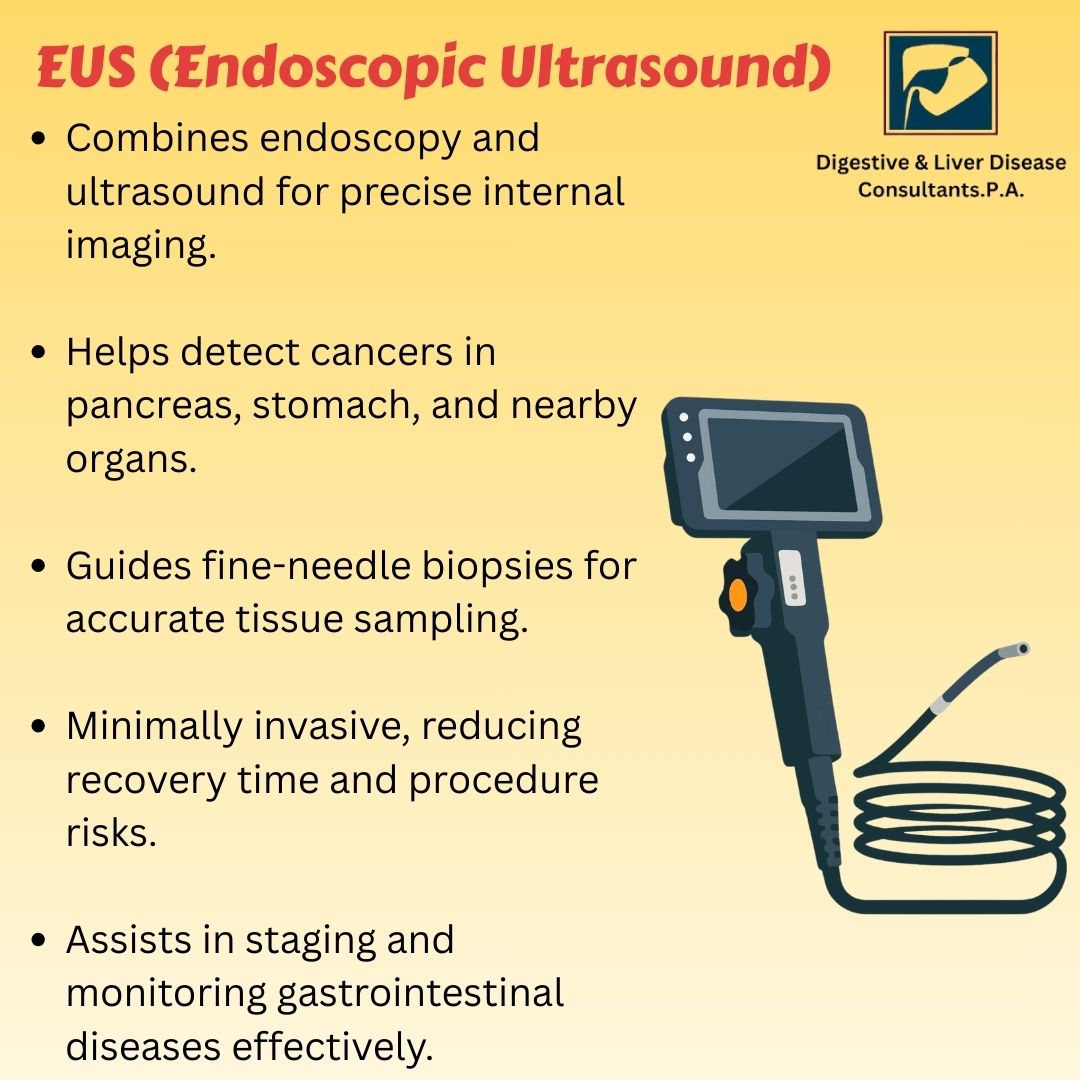
Endoscopic ultrasound is a minimally invasive procedure that uses an endoscope equipped with an ultrasound probe to visualize the digestive tract walls and nearby organs. Unlike traditional imaging techniques, EUS allows doctors to obtain high-resolution images from inside the digestive tract, giving a closer and more accurate view of abnormalities such as tumors, cysts, or inflammation.
The EUS procedure involves inserting a flexible tube through the mouth or rectum, depending on the area being examined. The ultrasound component produces detailed images that help physicians evaluate the structure and function of the gastrointestinal tract, pancreas, gallbladder, liver, and lymph nodes.
Benefits of EUS
The benefits of EUS are numerous, making it a preferred diagnostic and therapeutic tool in modern gastroenterology. Some key benefits include:
High-Resolution Imaging
EUS provides detailed images of the digestive tract and surrounding organs that are often superior to CT scans or MRIs. This allows for early detection of small lesions or abnormalities that might otherwise go unnoticed.
Minimally Invasive
The EUS procedure is less invasive than surgical exploration, reducing patient discomfort, hospital stay, and recovery time.
Accurate Staging of Cancer
For patients with gastrointestinal cancers, EUS is invaluable for staging. It helps determine the depth of tumor invasion and involvement of lymph nodes, guiding treatment planning.
Guided Biopsies
EUS allows for fine-needle aspiration or biopsy of lesions, cysts, and tumors. This targeted approach increases diagnostic accuracy while minimizing risk.
Detection of Pancreatic and Biliary Conditions
Pancreatic cysts, gallstones, and bile duct blockages are often difficult to detect with conventional imaging. EUS provides a clear view of these structures and helps in early intervention.
Reduced Risk of Complications
Because EUS is performed internally with precise imaging, it reduces the need for more invasive procedures and associated complications.
Endoscopic Ultrasound Uses
Endoscopic ultrasound uses extend beyond simple imaging. It is a versatile tool for both diagnostic and therapeutic purposes. Common endoscopic ultrasound uses include:
Evaluating Digestive Tract Disorders
Conditions affecting the esophagus, stomach, and rectum can be thoroughly assessed. EUS is particularly useful for detecting tumors, strictures, or inflammation.
Pancreatic Disease Assessment
Pancreatitis, pancreatic cysts, and pancreatic tumors can be effectively evaluated. EUS provides precise information about size, location, and extent of disease.
Liver and Biliary Analysis
EUS helps detect gallstones, bile duct obstruction, and liver lesions. Early detection of these conditions is critical for timely management.
Cancer Staging and Monitoring
EUS assists in staging gastrointestinal cancers by evaluating tumor depth and lymph node involvement. It also helps monitor disease progression or response to treatment.
Therapeutic Applications
EUS can guide interventions such as drainage of pancreatic pseudocysts, injection of medications, and placement of stents, reducing the need for open surgery.
Advantages of EUS
The advantages of EUS make it a preferred choice for many patients and physicians. Key EUS advantages include:
Precision
The combination of endoscopy and ultrasound ensures accurate localization and characterization of abnormalities.
Early Detection
Small tumors, cysts, or structural changes can be identified at an early stage, improving prognosis.
Reduced Patient Discomfort
Compared to surgical procedures, EUS is minimally invasive and generally well-tolerated.
Comprehensive Evaluation
EUS allows simultaneous assessment of the digestive tract and surrounding organs, providing a holistic view of patient health.
Guided Interventions
Therapeutic procedures such as biopsies or fluid drainage can be performed during the same session, reducing the need for multiple appointments.
Improved Treatment Planning
Accurate imaging and tissue sampling help doctors design personalized treatment plans, improving outcomes.
Stomach Ultrasound EUS
One of the common applications of EUS is stomach ultrasound EUS. This technique allows gastroenterologists to examine the stomach wall in layers and detect abnormalities such as tumors, polyps, or ulcers. Stomach ultrasound EUS is particularly helpful in diagnosing gastric cancers and submucosal lesions, which may be difficult to detect with standard endoscopy or imaging alone.
The detailed view provided by stomach ultrasound EUS enables early diagnosis, precise tumor staging, and targeted therapeutic interventions. Patients benefit from reduced invasiveness, quicker recovery, and improved treatment outcomes.
Why Choose Digestive & Liver Disease Consultants, P.A.?
Choosing the right clinic for EUS is crucial for accuracy, safety, and patient comfort. Digestive & Liver Disease Consultants, P.A. stands out for several reasons:
Experienced Gastroenterologists
Our team includes highly trained specialists with extensive experience in performing endoscopic ultrasound and interpreting complex gastrointestinal imaging.
State-of-the-Art Technology
We use the latest endoscopic ultrasound equipment to ensure high-resolution images and precise diagnosis.
Comprehensive Care
From diagnosis to treatment and follow-up, our clinic provides complete digestive and liver care tailored to each patient’s needs.
Minimally Invasive Focus
Our procedures prioritize minimally invasive techniques to reduce patient discomfort and recovery time.
Personalized Treatment Plans
Every patient receives a customized plan based on their condition, imaging results, and overall health, ensuring the best possible outcomes.
Patient-Centered Approach
We emphasize compassionate care, clear communication, and patient education, making sure patients understand their condition and treatment options.
Key Points About EUS
- EUS combines endoscopy and ultrasound to provide detailed images of the digestive tract and surrounding organs.
- It is minimally invasive, reducing recovery time and procedural risk.
- EUS allows for guided biopsies and therapeutic interventions.
- It is particularly useful for diagnosing pancreatic, liver, biliary, and gastrointestinal disorders.
- Stomach ultrasound EUS provides precise imaging of the stomach wall for early detection of tumors and lesions.
- The procedure aids in accurate cancer staging and treatment planning.
- Digestive & Liver Disease Consultants, P.A. provides expert care using advanced technology and a patient-focused approach.
Conclusion
Endoscopic ultrasound is a powerful diagnostic and therapeutic tool in modern gastroenterology. With its high-resolution imaging, minimally invasive nature, and ability to guide precise interventions, EUS has transformed the way digestive and liver conditions are diagnosed and treated. Patients benefit from early detection, accurate staging of diseases, and improved treatment outcomes.
For anyone experiencing digestive symptoms, pancreatic concerns, or needing advanced gastrointestinal evaluation, endoscopic ultrasound offers a safe and effective solution. Choosing a trusted clinic like Digestive & Liver Disease Consultants, P.A. ensures access to experienced specialists, advanced technology, and compassionate, personalized care.
If you are considering an EUS procedure or want more information on how it can help your digestive health, contact Digestive & Liver Disease Consultants, P.A. today and schedule a consultation with our expert gastroenterologists.