The liver does its job quietly. It filters toxins, supports digestion, balances nutrients, and helps regulate metabolism. The problem is this: liver disease often develops silently. Many people miss the early signs of liver disease because the symptoms seem minor or unrelated.
Why Early Detection Matters?
Most liver conditions progress gradually. In the beginning, symptoms are subtle. As damage increases, the body starts showing signals. Understanding these liver health warning signs helps prevent serious complications like cirrhosis or liver failure.
Early diagnosis allows timely treatment and better outcomes.
Common Early Signs of Liver Disease
Here are some of the most important liver disease symptoms people should never ignore.
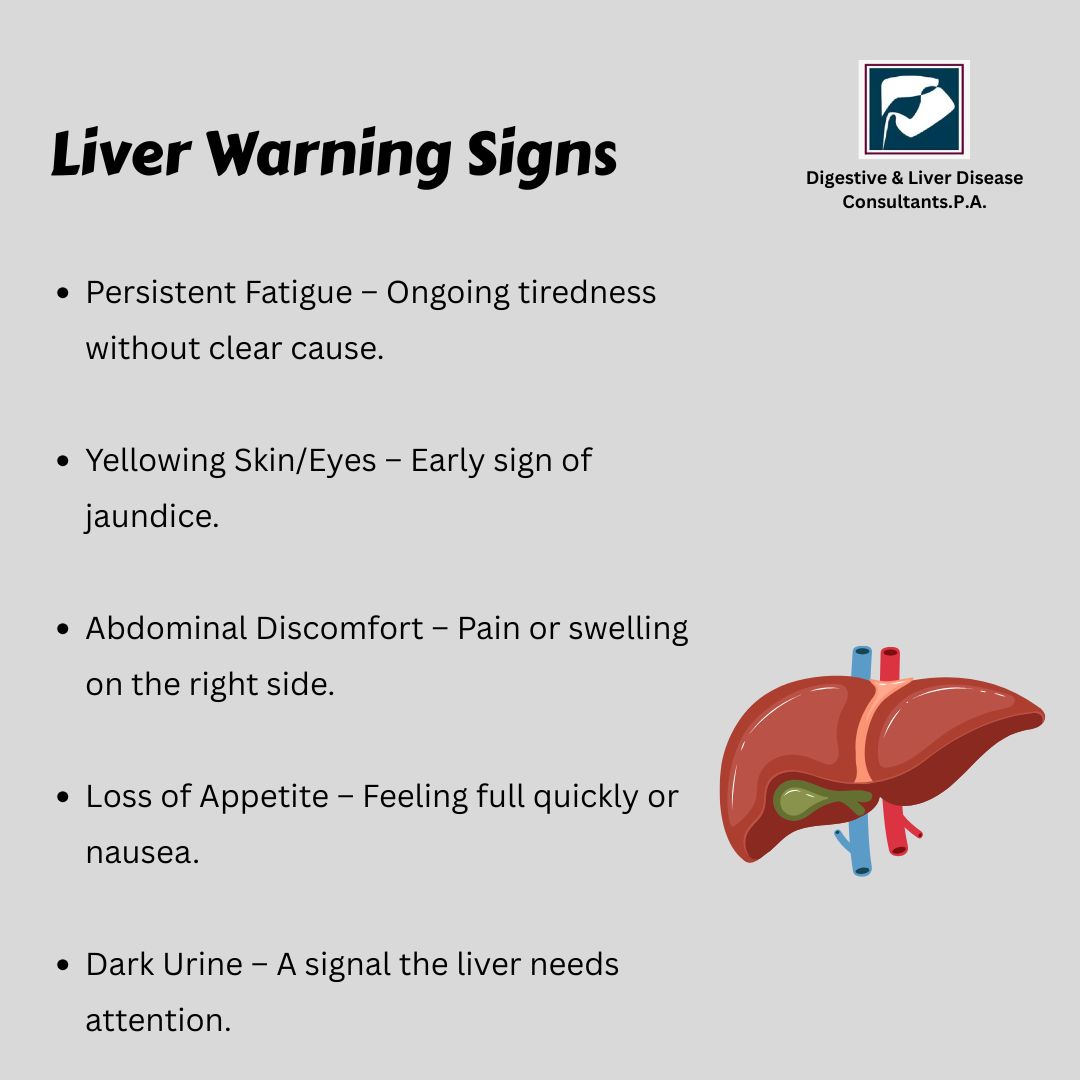
Persistent Fatigue
Unusual tiredness is one of the most overlooked signs of liver trouble. If you feel exhausted even after rest, it could be linked to how the liver processes toxins and energy.
Chronic fatigue is a known liver damage symptom and often appears in the early stages of liver inflammation.
Unexplained Itchy Skin
Many people do not connect itching with liver health. However, itchy skin liver problem is a recognized early signal.
When bile salts build up under the skin due to poor liver function, it can cause persistent itching without a visible rash.
Yellowing of Eyes or Skin
One of the most recognizable jaundice symptoms is yellowing of the eyes or skin.
This happens when bilirubin builds up in the bloodstream because the liver is unable to process it effectively. Jaundice is a key indicator of worsening liver function and should always be evaluated.
Swelling in the Abdomen
Fluid buildup in the abdomen can be an early sign of liver dysfunction. A swollen abdomen liver condition, also known as ascites, may indicate underlying inflammation or progressing damage.
Even mild bloating that feels persistent should not be dismissed.
Loss of Appetite or Nausea
Digestive discomfort, nausea, or reduced appetite may seem minor. But these can be early liver inflammation symptoms.
When the liver struggles, it affects bile production and digestion, leading to ongoing stomach upset.
Easy Bruising
If bruising happens more easily than before, it may signal declining liver function.
The liver produces clotting proteins. Damage can interfere with this process, leading to unexplained bruising or bleeding.
Fatty Liver Symptoms
Fatty liver disease is becoming increasingly common due to lifestyle factors.
Early fatty liver symptoms may include:
- Mild abdominal discomfort
- Constant fatigue
- Slight weight gain
- General feeling of heaviness
Many individuals are unaware they have fatty liver until routine testing reveals it.
Without intervention, fatty liver can progress to more serious conditions including cirrhosis.
Hepatitis Symptoms to Watch For
Inflammation caused by hepatitis may also show early signs.
Common hepatitis symptoms include:
- Dark urine
- Pale stools
- Joint pain
- Low grade fever
- Persistent fatigue
These symptoms indicate the liver is under stress and requires medical attention.
Cirrhosis Early Signs
Cirrhosis develops after long term damage. However, there are early warning signals.
Some cirrhosis early signs include:
- Swelling in legs
- Spider like blood vessels on the skin
- Mild confusion
- Muscle weakness
Identifying these chronic liver disease signs early allows better disease management.
Other Liver Damage Symptoms
Additional liver damage symptoms may include:
- Hormonal imbalance
- Changes in sleep patterns
- Frequent infections
- Bad breath linked to toxin buildup
Even subtle changes in your health can point toward liver dysfunction.
Who Is at Risk?
Certain individuals are more prone to liver disease.
Risk factors include:
- Obesity
- Diabetes
- Alcohol consumption
- Viral infections
- Poor diet
- Long term medication use
Monitoring your health becomes especially important if these apply to you.
When to Seek Medical Help
You should consult a specialist if you notice:
- Persistent fatigue
- Unexplained itching
- Abdominal swelling
- Yellowing of eyes
- Ongoing digestive discomfort
Ignoring these signs of liver trouble can allow disease to progress silently.
Why Choose Digestive & Liver Disease Consultants, P.A.?
When it comes to liver health, experience and specialization matter.
Patients choose Digestive & Liver Disease Consultants, P.A. because of their focused expertise in diagnosing and managing liver conditions at every stage.
What sets them apart?
Advanced Diagnostic Approach
Early detection is key. Their team uses modern testing methods to identify liver disease before complications arise.
Personalized Treatment Plans
No two patients are alike. Care plans are tailored based on the specific cause and severity of liver damage.
Comprehensive Liver Care
From fatty liver to hepatitis and cirrhosis, their specialists manage the full spectrum of liver disorders.
Preventive Focus
Guidance on lifestyle changes helps patients protect liver health long term.
Patient Centered Care
Clear communication and ongoing support ensure patients understand their condition and treatment options.
Protecting Your Liver
Simple lifestyle habits can support liver health:
- Eat balanced meals
- Maintain a healthy weight
- Limit alcohol intake
- Stay physically active
- Get regular health checkups
Prevention is always better than treatment.
Conclusion
The liver rarely sends loud signals in the early stages of disease. But the body does provide subtle warnings.
Recognizing the early signs of liver disease, understanding liver disease symptoms, and acting on liver health warning signs can prevent serious complications.
If you are experiencing possible liver damage symptoms or want to assess your risk, consult the expert team at Digestive & Liver Disease Consultants, P.A.
Early care leads to better liver health and a healthier future. Schedule your consultation today.