Your digestive health plays a vital role in your overall well-being. The digestive system is responsible for breaking down food, absorbing nutrients, and eliminating waste. When something goes wrong, your body often sends signals. Ignoring these warning signs of digestive problems can lead to serious health complications over time.
Understanding digestive health warning signs early can help you take timely action, prevent disease progression, and maintain a healthy gut. In this article, we will explore the key symptoms you should never ignore, how they affect your gut health, and ways to improve digestion naturally.
Why Digestive Health Matters
A healthy digestive system ensures your body gets the nutrients it needs to function properly. Poor gut health can affect immunity, energy levels, mental health, and even skin condition. When digestion is compromised, it can lead to discomfort, nutrient deficiencies, and chronic illnesses.
Focusing on digestive health is not just about avoiding discomfort. It is about supporting your entire body’s functioning and long-term wellness.

Common Digestive Symptoms You Should Never Ignore
Here are some digestive health warning signs that require attention:
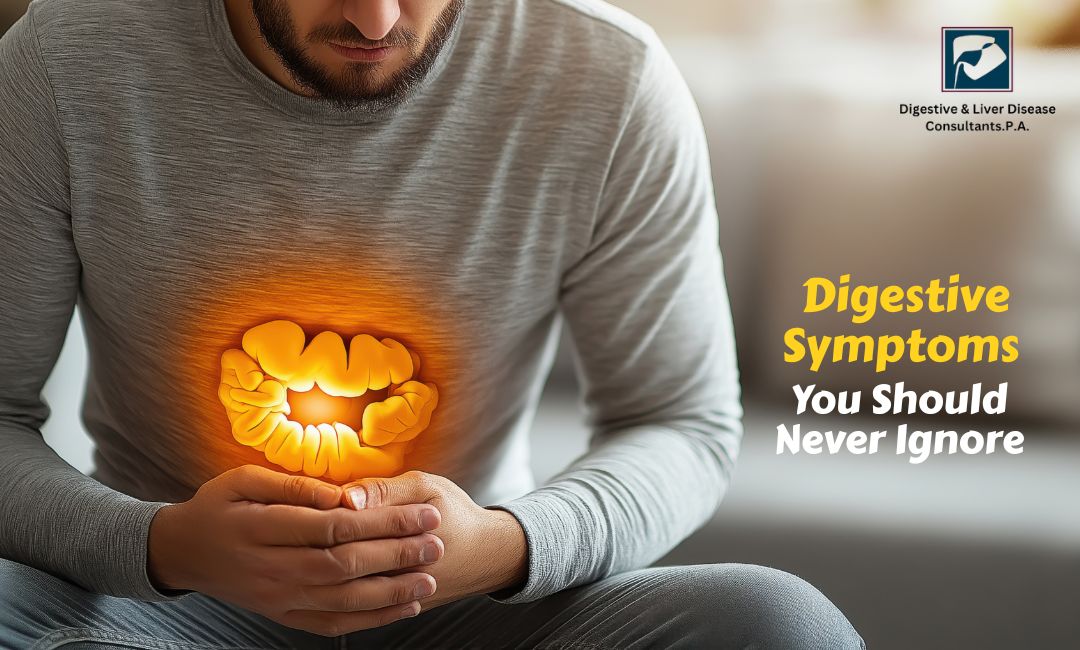
1. Persistent Abdominal Pain
Occasional stomach discomfort is common, but ongoing or severe pain is not normal. It could indicate conditions such as gastritis, ulcers, gallstones, or even liver disorders. If the pain persists or worsens, it should not be ignored.
2. Frequent Bloating
Bloating after meals can happen, but if it occurs regularly, it may signal issues like food intolerance, irritable bowel syndrome, or poor gut health. Chronic bloating is one of the early warning signs of digestive problems.
3. Changes in Bowel Habits
Sudden changes such as diarrhea, constipation, or alternating between both may indicate underlying digestive disorders. Long-term constipation can affect the digestive system, while persistent diarrhea may lead to dehydration and nutrient loss.
4. Blood in Stool
Seeing blood in your stool is a serious symptom. It may be caused by hemorrhoids, infections, or more serious conditions such as colorectal issues. Immediate medical attention is necessary.
5. Unexplained Weight Loss
Losing weight without trying can be a sign that your digestive system is not absorbing nutrients properly. It may also indicate chronic conditions affecting digestive health.
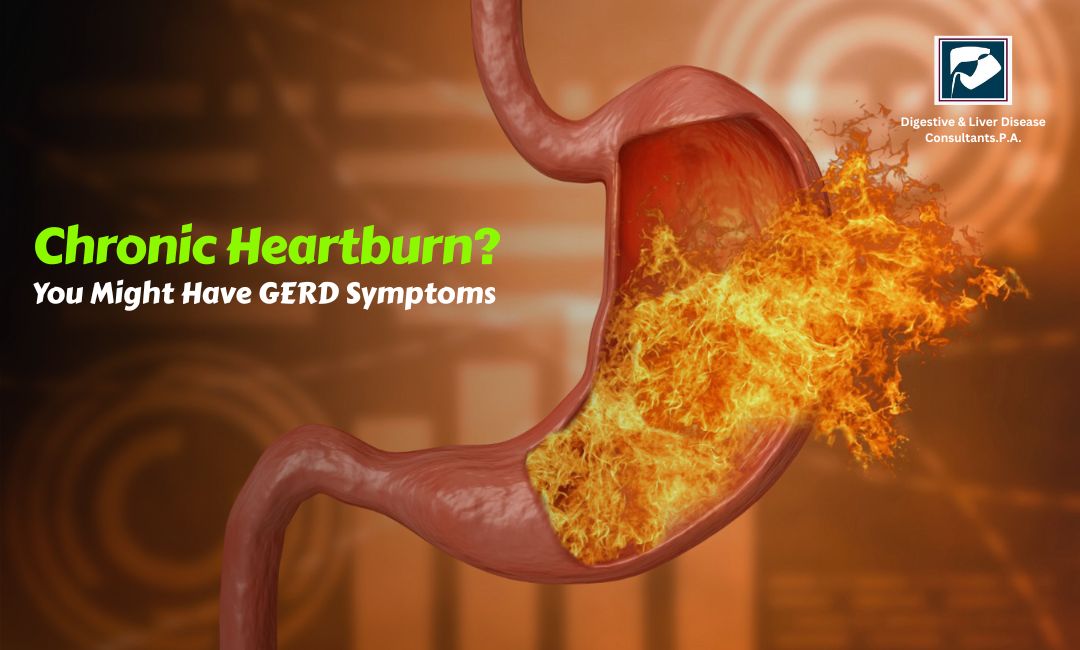
6. Acid Reflux or Heartburn
Frequent heartburn or acid reflux can damage the esophagus over time. It may be linked to gastroesophageal reflux disease, which requires proper management.
7. Nausea and Vomiting
Occasional nausea can occur due to food or infections. However, persistent nausea or vomiting may point to digestive system disorders, liver issues, or infections.
8. Difficulty Swallowing
If you find it hard to swallow food or feel like food is getting stuck, it could indicate a serious issue in the digestive tract that needs evaluation.
What Causes These Digestive Issues?
Several factors can affect your digestive health:
- Poor diet high in processed foods
- Low fiber intake
- Stress and anxiety
- Lack of physical activity
- Food intolerances or allergies
- Infections or chronic diseases
- Liver-related conditions
Identifying the root cause is essential for effective treatment and long-term gut health.
When Should You See a Doctor?
You should consult a specialist if you experience:
- Symptoms lasting more than a few days
- Severe abdominal pain
- Blood in stool
- Persistent vomiting
- Sudden unexplained weight loss
- Ongoing digestive discomfort affecting daily life
Early diagnosis can prevent complications and help restore your digestive system to optimal health.
Tips to Improve Digestion Naturally
Maintaining digestive health does not always require medication. Simple lifestyle changes can significantly improve your gut health.
Healthy Habits for Better Digestion
-
Healthy Habits for Better Digestion
- Eat a balanced diet rich in fruits, vegetables, and whole grains
- Drink plenty of water throughout the day
- Avoid overeating and eat smaller, frequent meals
- Limit processed and fried foods
- Include probiotics like yogurt to support gut health
- Stay physically active
- Manage stress through relaxation techniques
Foods That Support Gut Health
- Fiber-rich foods like oats, vegetables, and legumes
- Fermented foods that promote healthy gut bacteria
- Fresh fruits that aid digestion
- Lean proteins for easy digestion
These steps can help improve digestion naturally and prevent many digestive issues.
The Role of Gut Health in Overall Wellness
Your gut health is closely linked to your immune system and mental health. A balanced digestive system supports better immunity, reduces inflammation, and enhances nutrient absorption.
Ignoring digestive health warning signs can disrupt this balance, leading to chronic conditions. Taking care of your digestive system ensures long-term health benefits.
Why Choose Digestive & Liver Disease Consultants, P.A.
When it comes to managing digestive health, choosing the right healthcare provider is crucial. Digestive & Liver Disease Consultants, P.A. is dedicated to providing comprehensive care for all types of digestive and liver conditions.
What Sets Them Apart
- Experienced specialists in digestive system and liver health
- Advanced diagnostic tools for accurate evaluation
- Personalized treatment plans tailored to each patient
- Focus on preventive care and long-term gut health
- Patient-centered approach with compassionate care
Their team understands the importance of early detection and effective management of digestive health issues. Whether you are experiencing mild symptoms or complex conditions, they provide expert guidance and care.
Preventing Digestive Problems
Prevention is always better than treatment. You can reduce the risk of digestive disorders by:
- Maintaining a healthy diet
- Avoiding excessive alcohol and smoking
- Practicing good hygiene
- Managing stress effectively
- Getting regular health checkups
Being proactive about your digestive health can help you avoid serious complications in the future.
Conclusion
Your body often gives clear signals when something is wrong. Ignoring symptoms like persistent pain, bloating, or changes in bowel habits can lead to serious health issues. Recognizing these warning signs of digestive problems early is essential for protecting your digestive system and overall health.
Focusing on digestive health, adopting healthy habits, and seeking timely medical advice can make a significant difference. Small changes today can lead to long-term improvements in your gut health and quality of life.
If you are experiencing any digestive health warning signs or want to improve digestion naturally, do not delay seeking expert care. Consult the specialists at Digestive & Liver Disease Consultants, P.A. for accurate diagnosis, personalized treatment, and comprehensive digestive system care. Your gut health deserves the best attention.