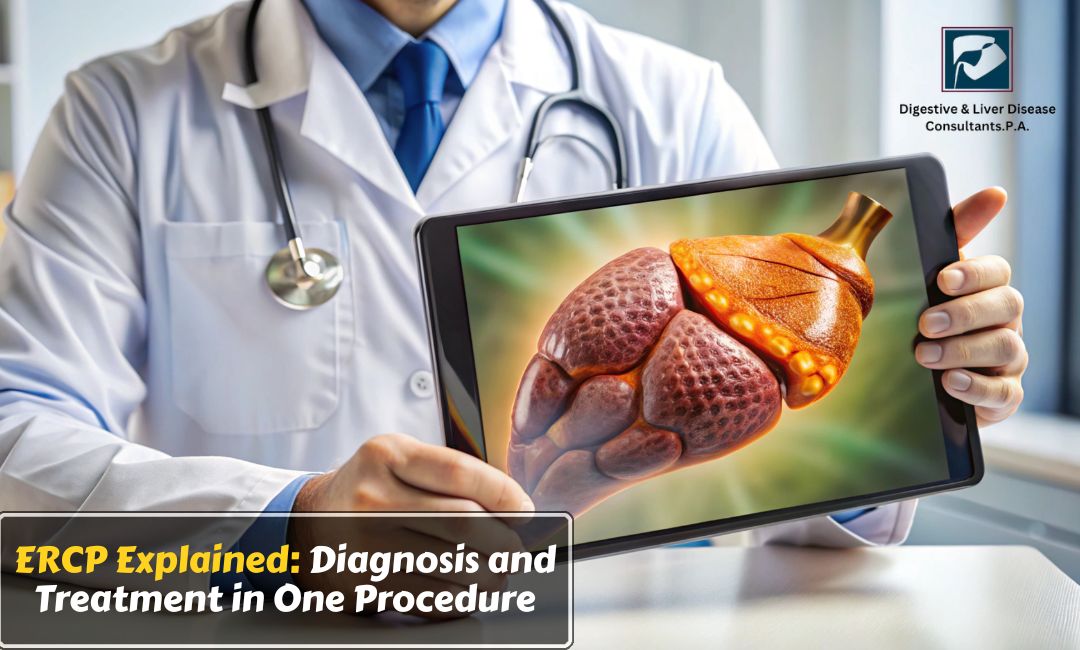
Digestive and liver conditions often require precise diagnosis and timely treatment. One advanced medical technique that combines both is the ERCP procedure. Many patients feel anxious when they hear about it, mainly because they are unfamiliar with what it involves. This article explains everything you need to know about what is ERCP, how it works, and why it plays a vital role in managing complex digestive disorders.
What is ERCP
ERCP meaning refers to Endoscopic Retrograde Cholangiopancreatography. It is a specialized medical procedure used to examine and treat problems in the bile ducts, pancreas, and gallbladder.
Unlike many other diagnostic tests, the ERCP procedure is unique because it allows doctors to both identify and treat issues during the same session. This makes it highly effective and reduces the need for multiple procedures.
Understanding the ERCP Procedure
The ERCP procedure involves the use of an endoscope, which is a thin, flexible tube with a camera. This tube is passed through the mouth, down the throat, and into the digestive tract.
Once the endoscope reaches the small intestine, a contrast dye is injected into the bile and pancreatic ducts. X-ray imaging is then used to clearly visualize any abnormalities.
Key steps in the ERCP procedure include:
- Insertion of the endoscope through the mouth
- Navigation to the duodenum
- Injection of contrast dye into ducts
- X-ray imaging for detailed visualization
- Immediate treatment if abnormalities are found
ERCP Test and Treatment in One Session
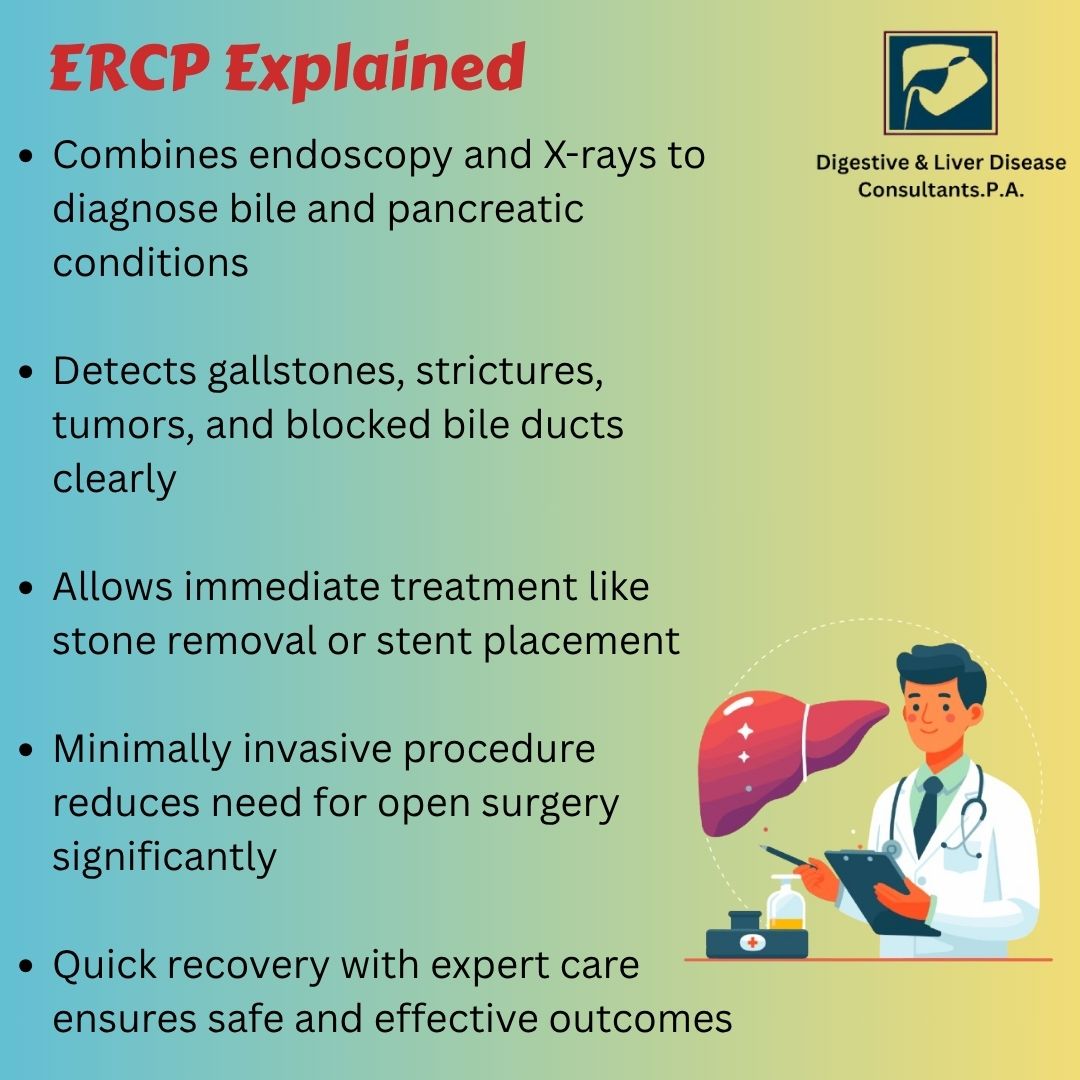
One of the biggest advantages of the ERCP test and treatment approach is its dual functionality. Doctors can diagnose and treat conditions at the same time.
During the ERCP procedure, specialists can:
- Remove gallstones blocking the bile duct
- Insert stents to open narrowed ducts
- Treat infections in bile ducts
- Take tissue samples for biopsy
- Address pancreatic duct issues
This combined approach reduces hospital visits, speeds up recovery, and improves patient outcomes.
When is ERCP Recommended
Doctors usually recommend ERCP when imaging tests such as ultrasound or CT scans suggest problems in the bile or pancreatic ducts.
Common conditions where ERCP is used include:
- Gallstones stuck in bile ducts
- Bile duct strictures or narrowing
- Pancreatitis
- Tumors in the pancreas or bile ducts
- Bile duct infections
- Unexplained abdominal pain related to ducts
Patients experiencing symptoms such as jaundice, severe abdominal pain, or unexplained weight loss may also be advised to undergo ERCP.
Benefits of ERCP
The ERCP procedure offers several advantages that make it an essential tool in digestive healthcare.
- Combines diagnosis and treatment in one procedure
- Minimally invasive compared to surgery
- Faster recovery time
- Reduced hospital stays
- High accuracy in detecting duct-related issues
Because of these benefits, ERCP has become a preferred option for managing complex biliary and pancreatic conditions.
Risks and Safety Considerations
While ERCP is generally safe, it is important to understand that like any medical procedure, it carries some risks.
Possible risks include:
- Pancreatitis after the procedure
- Infection
- Bleeding
- Reaction to sedation
- Perforation in rare cases
However, these complications are uncommon and are carefully managed by experienced specialists. Proper evaluation before the ERCP procedure significantly reduces risks.
Preparation for ERCP
Proper preparation ensures a smooth and successful procedure.
Patients are usually advised to:
- Avoid eating or drinking for several hours before the procedure
- Inform the doctor about medications and allergies
- Stop certain medications if required
- Arrange for someone to accompany them after the procedure
Following these instructions helps minimize complications and ensures accurate results.
What to Expect After the Procedure
After the ERCP procedure, patients are monitored for a few hours until the effects of sedation wear off.
Common post-procedure experiences include:
- Mild throat discomfort
- Temporary bloating
- Slight drowsiness
Most patients can go home the same day, although some may require short observation depending on their condition.
Doctors may provide dietary advice and medications to support recovery. Patients are also advised to watch for symptoms like severe pain, fever, or vomiting and report them immediately.
Why Choose Digestive & Liver Disease Consultants, P.A.?
Choosing the right healthcare provider is crucial for the success of procedures like ERCP. Digestive & Liver Disease Consultants, P.A. stands out for its patient-focused approach and advanced medical care.
Here is why patients trust them:
Experienced Specialists
The team includes highly skilled gastroenterologists with extensive experience in performing ERCP procedures.
Advanced Technology
State-of-the-art equipment ensures accurate diagnosis and effective treatment.
Comprehensive Care
From initial consultation to post-procedure follow-up, patients receive complete care under one roof.
Patient-Centered Approach
Every patient is treated with personalized attention, ensuring comfort and confidence throughout the process.
Proven Outcomes
High success rates and patient satisfaction reflect their commitment to excellence in digestive healthcare.
Key Takeaways About ERCP
- ERCP meaning refers to a combined diagnostic and treatment procedure
- The ERCP procedure helps manage bile duct and pancreatic conditions
- It reduces the need for multiple surgeries
- It is minimally invasive with faster recovery
- Proper preparation and expert care improve outcomes
Conclusion
The ERCP procedure has transformed the way digestive and liver conditions are diagnosed and treated. By combining imaging and intervention in a single session, it offers convenience, precision, and faster recovery for patients.
Understanding what is ERCP can help reduce anxiety and empower patients to make informed decisions about their health. With advancements in medical technology and skilled specialists, ERCP continues to be a safe and effective solution for complex gastrointestinal issues.
If you are experiencing symptoms such as persistent abdominal pain, jaundice, or digestive discomfort, do not ignore them. Early diagnosis can make a significant difference.
Consult the experts at Digestive & Liver Disease Consultants, P.A. for a comprehensive evaluation and advanced care. Their experienced team is dedicated to providing safe, effective, and personalized treatment through procedures like ERCP.
Book your consultation today and take the first step toward better digestive health.