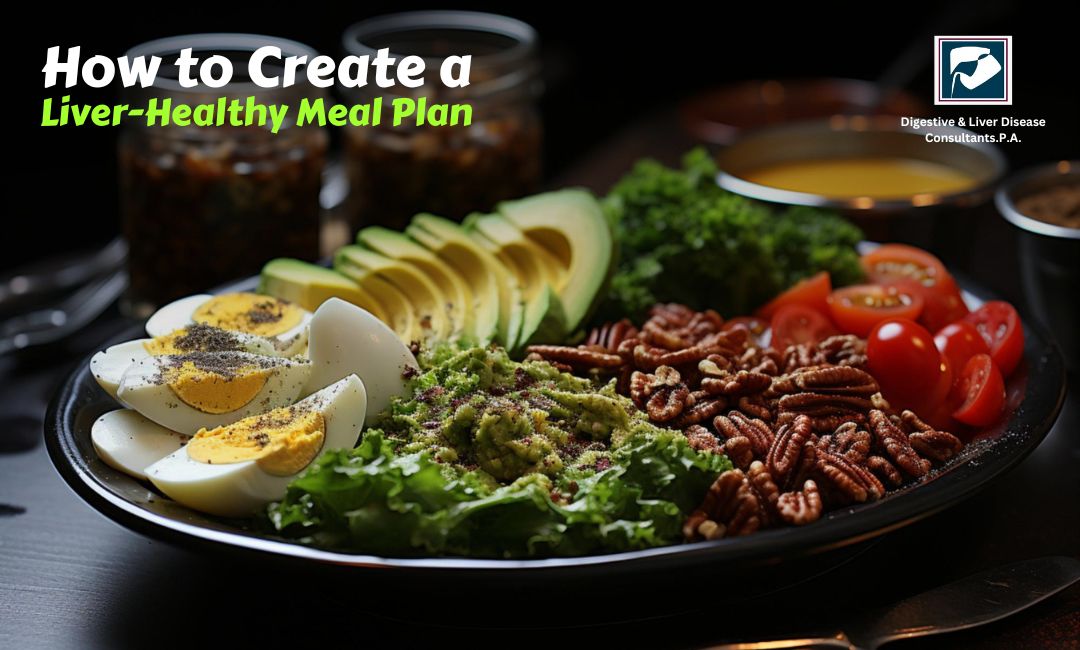
Your liver is one of the most hardworking organs in your body. It detoxifies your blood, stores nutrients, and supports metabolism. Maintaining a healthy liver requires more than occasional healthy meals—it requires consistent, informed choices. A liver-friendly meal plan can make a significant difference in protecting liver function and preventing disease.
Understanding a Liver-Healthy Diet
A liver-healthy diet focuses on whole foods, balanced nutrients, and moderation. It aims to reduce fat accumulation, lower inflammation, and support the liver’s natural detoxifying abilities.
Key elements of a liver-friendly meal plan include:
- Plenty of fiber from fruits, vegetables, and whole grains\
- Healthy fats from sources like nuts, seeds, and olive oil
- Lean proteins such as fish, poultry, and legumes
- Limited refined sugars, processed foods, and saturated fats
Following a diet for liver function helps improve liver health, energy levels, and overall wellness.
Foods for Liver Health
Including the right foods is essential for maintaining liver function. Here are some examples of liver-cleansing foods:
- Leafy greens like spinach, kale, and arugula
- Cruciferous vegetables like broccoli, cauliflower, and Brussels sprouts
- Berries such as blueberries and strawberries, rich in antioxidants
- Fatty fish like salmon and mackerel for omega-3 fatty acids
- Whole grains like oats, brown rice, and quinoa
- Garlic and onions, which support detoxification
- Green tea, which contains polyphenols that reduce liver inflammation
These foods provide essential nutrients and compounds that help the liver metabolize toxins efficiently.
Foods to Avoid for Liver Health
A liver-friendly meal plan also means limiting foods that can stress the liver. Avoid:
- Excessive alcohol
- Processed and fried foods
- High-sugar beverages and snacks
- Saturated fats found in fatty cuts of meat
- Highly refined carbohydrates like white bread and pastries
Reducing these foods lowers the risk of fatty liver disease and other liver-related conditions.
Fatty Liver Diet Tips
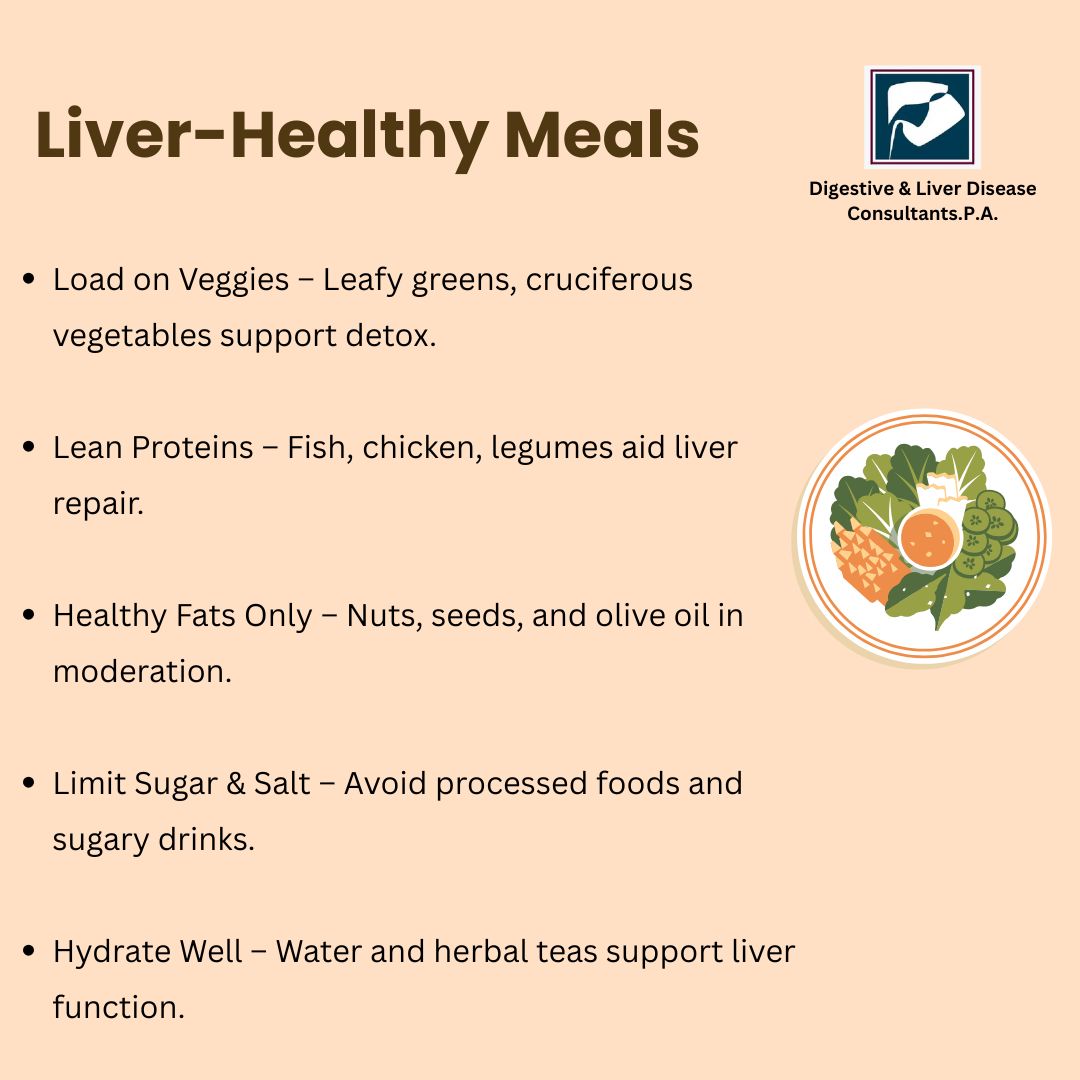
If you have fatty liver disease or are at risk, focus on:
- Eating smaller, frequent meals to support metabolism
- Prioritizing vegetables and high-fiber foods
- Replacing refined carbs with whole grains
- Including lean proteins and healthy fats in moderation
- Staying hydrated with water and herbal teas
These fatty liver diet tips help prevent further fat accumulation and support liver function over time.
Building a Liver-Friendly Meal Plan
Creating a structured liver-friendly meal plan starts with understanding what to eat, when, and in what portions.
Sample Meal Ideas
Breakfast
- Oatmeal topped with berries and chia seeds
- Green smoothie with spinach, cucumber, and lemon
Lunch
- Grilled salmon with quinoa and roasted vegetables
- Lentil and vegetable soup with whole grain toast
Snack
- Mixed nuts and seeds
- Fresh fruit or veggie sticks
Dinner
- Grilled chicken with steamed broccoli and brown rice
- Stir-fried tofu with leafy greens and garlic
Optional Drinks
- Green tea
- Lemon water
These liver-friendly recipes provide essential nutrients without overloading the liver.
Liver Nutrition Guide: Portion and Frequency
Balance is key. Eat a variety of foods from each group every day, and aim for:
- Half your plate with vegetables
- One-quarter with lean protein
- One-quarter with whole grains
Moderation ensures that your liver receives consistent support without unnecessary stress.
Liver Detox Diet and Cleansing Foods
While the liver naturally detoxifies the body, certain foods can support this process:
- Cruciferous vegetables
- Garlic and onions
- Green tea
- Citrus fruits like lemon and grapefruit
Incorporating these liver detox foods into daily meals helps maintain optimal liver function. Avoid extreme cleanses or detox supplements, which can sometimes harm the liver.
Healthy Liver Eating: Lifestyle Considerations
A liver-healthy diet works best alongside other healthy habits:
- Exercise regularly to reduce fat accumulation
- Maintain a healthy weight
- Avoid smoking and limit alcohol
- Manage stress through relaxation or mindfulness techniques
Combining diet and lifestyle creates the foundation for long-term liver health.
Liver Disease Nutrition and Ongoing Support
For those diagnosed with liver disease, personalized nutrition is essential. A liver-friendly meal plan can reduce inflammation, slow disease progression, and improve quality of life. Consulting with a gastroenterologist or dietitian helps tailor the plan to your needs.
Liver Health Tips Summary
- Eat a variety of fruits and vegetables daily.
- Include lean protein and healthy fats.
- Choose whole grains over refined carbohydrates.
- Limit alcohol, processed foods, and added sugars.
- Stay hydrated and maintain an active lifestyle.
These liver health tips form the core of a sustainable, practical liver nutrition guide.
Why Choose Digestive & Liver Disease Consultants, P.A.?
Creating an effective liver-friendly meal plan is easier with expert guidance. Digestive & Liver Disease Consultants, P.A. offers:
- Personalized nutrition plans for liver health
- Advanced assessment for liver function
- Expert advice for managing fatty liver and other liver conditions
- Supportive guidance for long-term healthy liver eating
Our team ensures that your liver nutrition plan is realistic, sustainable, and aligned with your health goals.
Conclusion
A liver-friendly meal plan is not a temporary diet—it’s a lifestyle. Focusing on meals to protect the liver, including detox liver foods, and avoiding harmful foods helps support long-term liver function and overall health. By combining diet with healthy habits, you can take control of liver health and prevent complications.
If you want a personalized liver-friendly meal plan or guidance on managing liver health, consult our top gastro specialist at Digestive & Liver Disease Consultants, P.A. Our team provides expert advice, liver nutrition support, and practical meal strategies to protect and improve your liver function. Schedule your appointment today and take charge of your liver health.