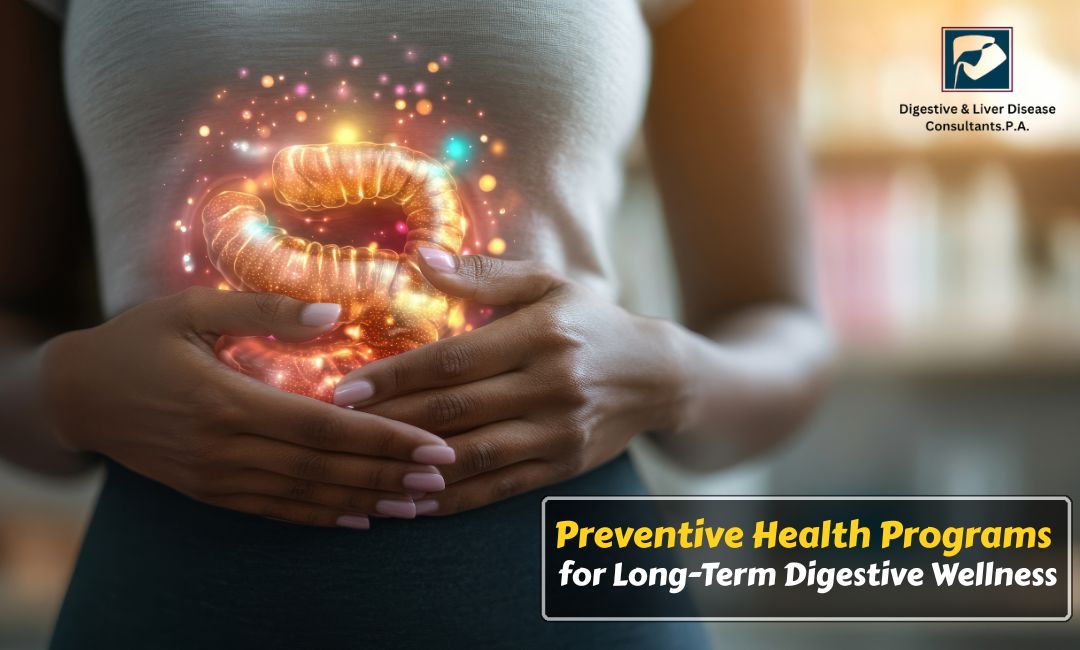
Maintaining digestive health is crucial for overall wellness, yet many people tend to overlook it until symptoms become severe. Digestive issues, if left unchecked, can significantly impact quality of life, productivity, and long-term health. Preventive health programs play an essential role in supporting gut health and ensuring digestive wellness over time. At Digestive & Liver Disease Consultants, P.A., our goal is to help individuals proactively protect their digestive system and maintain long-term digestive health through personalized care.
Why Preventive Health Programs Matter
Preventive health programs are designed to identify potential issues before they escalate into serious conditions. Digestive wellness programs are not just about treating symptoms; they focus on comprehensive strategies for digestive health prevention. These programs include regular screenings, nutritional guidance, lifestyle modifications, and education to help individuals make informed choices about their gut health.
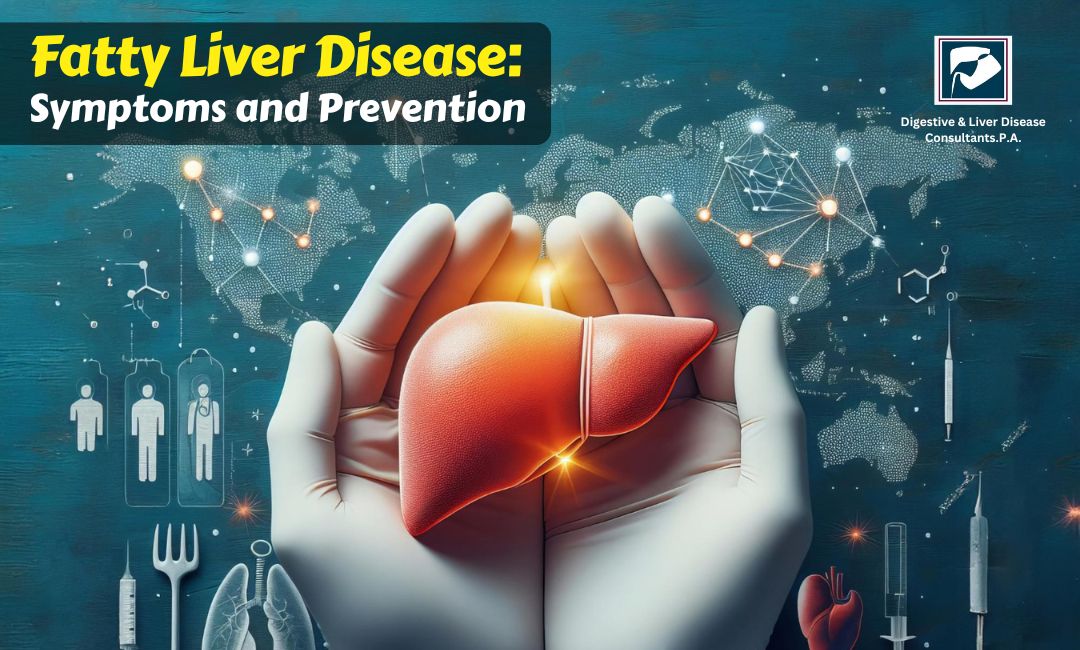
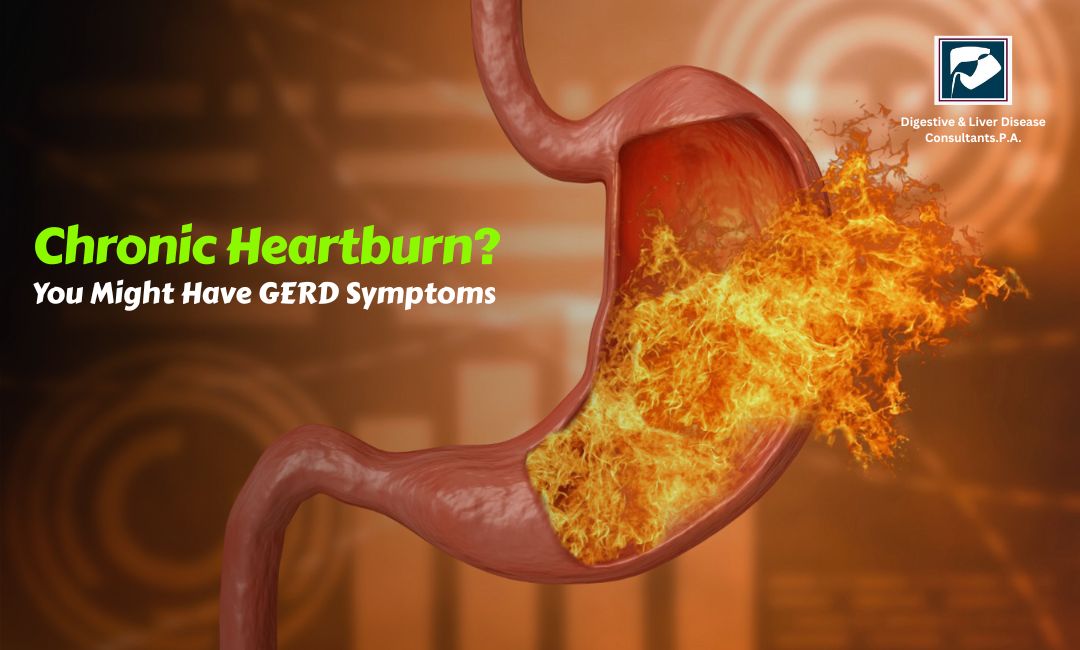
Digestive diseases such as irritable bowel syndrome, acid reflux, fatty liver disease, and colorectal cancer often develop gradually. Early detection and preventive care for gut health can significantly reduce risks and improve long-term outcomes. By participating in preventive programs, patients can address underlying causes, adopt healthy habits, and maintain optimal digestive function.
Key Components of Digestive Wellness Programs
Digestive wellness programs at Digestive & Liver Disease Consultants, P.A. are carefully structured to provide holistic care. Some of the essential components include:
Comprehensive Gut Assessments
Thorough evaluations allow our specialists to understand your digestive health history, current symptoms, and risk factors. This assessment forms the foundation for personalized preventive care plans tailored to each patient.
Screenings and Diagnostic Tests
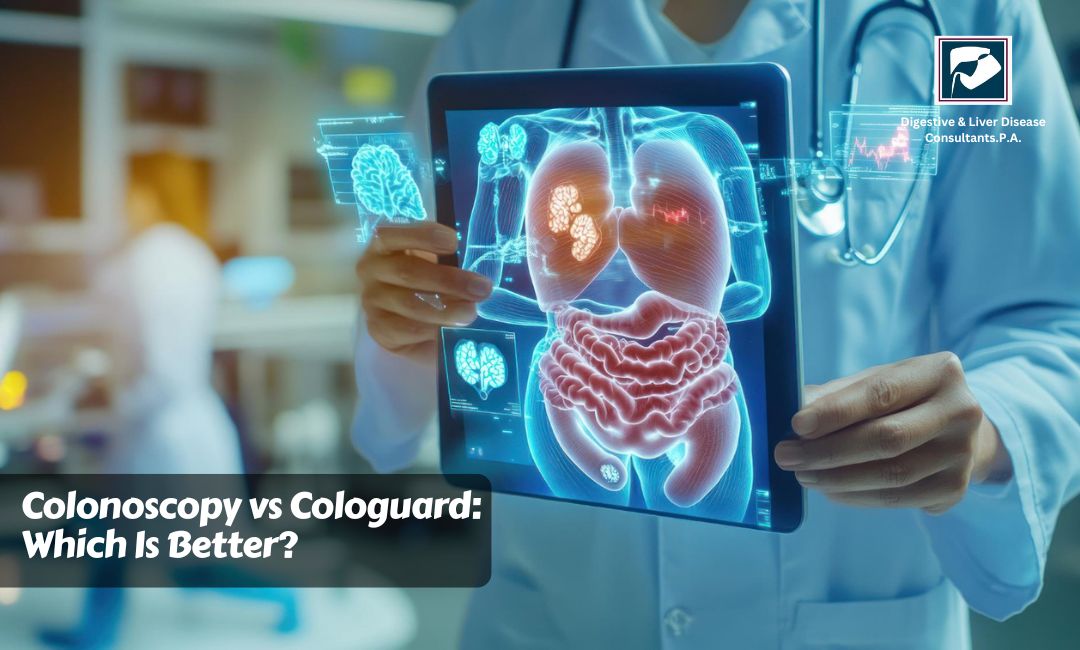
Preventive care for gut health includes routine screenings for conditions such as colorectal cancer, liver disease, and inflammatory bowel disease. Diagnostic tests, including endoscopy, colonoscopy, and imaging studies, help detect potential issues early, even before symptoms appear.
Personalized Nutrition Plans
Nutrition is a cornerstone of long-term digestive health. Our digestive wellness programs provide individualized dietary guidance to promote gut health improvement, manage symptoms, and prevent digestive disorders.
Lifestyle and Behavioral Counseling
Healthy habits, including stress management, regular exercise, and sleep optimization, play a vital role in digestive health. Counseling helps patients adopt and maintain these lifestyle changes, enhancing the effectiveness of preventive programs.
Regular Follow-Ups and Monitoring
Long-term digestive health requires continuous monitoring. Regular follow-ups ensure that patients stay on track, and any changes in digestive function are promptly addressed.

Benefits of Preventive Care for Gut Health
Investing in preventive health programs offers numerous advantages:
- Early detection of digestive issues before they become severe
- Reduced risk of chronic diseases such as liver disorders and colorectal cancer
- Personalized guidance for gut health improvement
- Long-term digestive health and better quality of life
- Education on lifestyle modifications and dietary habits for lasting benefits
Common Preventive Measures for Digestive Health
Digestive health prevention involves a combination of lifestyle, dietary, and medical interventions. Some key measures include:
Balanced Diet
Incorporating fiber-rich foods, lean proteins, and healthy fats supports digestive function and maintains a healthy gut microbiome. Avoiding processed foods and excessive sugars can prevent inflammation and digestive disturbances.
Hydration
Drinking adequate water helps maintain bowel regularity and supports overall digestive processes.
Regular Physical Activity
Exercise stimulates digestion, reduces stress, and improves metabolic function, contributing to better long-term digestive health.
Stress Management
Stress can negatively impact gut health, leading to issues such as irritable bowel syndrome or acid reflux. Techniques such as meditation, yoga, and mindfulness help mitigate these effects.
Routine Medical Check-Ups
Periodic screenings and consultations with specialists ensure that any emerging digestive issues are addressed promptly.
Why Choose Digestive & Liver Disease Consultants, P.A.
Digestive & Liver Disease Consultants, P.A. is dedicated to providing exceptional preventive health programs and digestive wellness care. Here’s why patients trust us for long-term digestive health:
Expertise and Experience
Our team of board-certified gastroenterologists and hepatologists has extensive experience in managing complex digestive conditions and guiding preventive care for gut health.
Patient-Centered Approach
We focus on individualized care plans that cater to each patient’s unique needs, preferences, and risk factors, ensuring optimal outcomes.
Comprehensive Preventive Programs
From screenings to nutritional counseling and lifestyle support, our programs are designed to promote gut health improvement and digestive health prevention holistically.
Advanced Diagnostic Technology
We utilize the latest diagnostic tools and minimally invasive procedures to detect and address digestive issues early, supporting long-term digestive wellness.
Commitment to Education
Our team educates patients about their digestive health, empowering them to make informed decisions and adopt sustainable habits that support overall well-being.
Patient Success Stories
Many patients have experienced remarkable improvements through our preventive health programs. For instance, individuals with early signs of fatty liver disease have successfully reversed progression through dietary changes, lifestyle interventions, and regular monitoring. Those with recurring digestive discomfort have found lasting relief by identifying triggers and following personalized care plans.
These success stories highlight the importance of proactive care and demonstrate how digestive wellness programs can transform long-term digestive health.
Tips for Maintaining Long-Term Digestive Health
- Follow a nutrient-rich, fiber-filled diet
- Stay hydrated throughout the day
- Incorporate regular physical activity
- Manage stress effectively with mindfulness and relaxation techniques
- Schedule routine check-ups and screenings with gastroenterology specialists
By adhering to these preventive measures, patients can reduce the likelihood of digestive complications and maintain optimal gut health.
Conclusion
Preventive health programs are essential for safeguarding long-term digestive wellness. They provide a structured, proactive approach to digestive health prevention, early detection, and gut health improvement. Participating in these programs allows individuals to take control of their digestive health, prevent serious complications, and enjoy a better quality of life.
Digestive & Liver Disease Consultants, P.A. stands out as a trusted partner in this journey. With our expertise, patient-centered approach, advanced diagnostics, and comprehensive preventive programs, we ensure that every patient receives personalized care designed for long-term digestive health. Choosing our specialists means investing in a healthier future for your digestive system.
Take the first step toward optimal digestive health today. Consult the experts at Digestive & Liver Disease Consultants, P.A., and explore our preventive health programs designed to protect and enhance your gut health. Your digestive wellness is our priority, and together, we can achieve long-lasting digestive health.
Schedule your consultation at Digestive & Liver Disease Consultants, P.A., to begin your journey toward gut health improvement and long-term digestive wellness today.