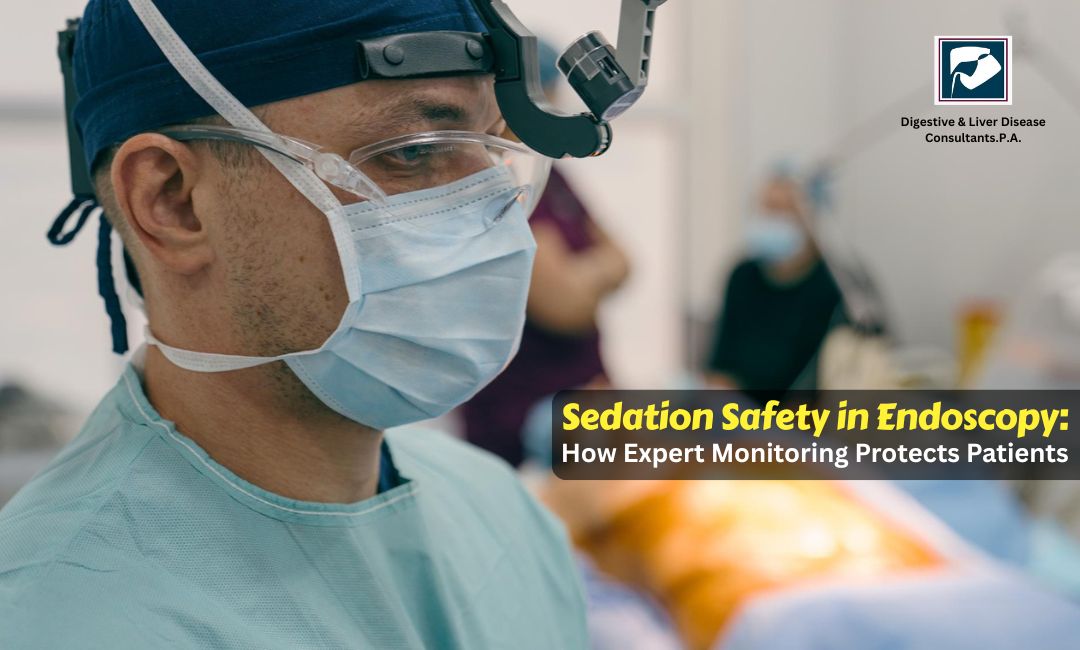
Endoscopy is a common and highly effective procedure used to diagnose and treat digestive conditions. Whether it’s evaluating persistent heartburn, unexplained abdominal pain, or screening for serious diseases, an endoscopy provides direct visualization of the digestive tract.
For many patients, one concern stands out: sedation. Questions about safety, comfort, and risks are common. The good news is that modern techniques and expert monitoring have made sedation safety in endoscopy highly reliable and patient friendly.
Let’s break down how sedation works, what safeguards are in place, and how expert care ensures a safe and comfortable experience.
What Is Sedation in Endoscopy?
During procedures like upper endoscopy or colonoscopy, sedation is used to help patients relax and remain comfortable.
There are different levels of sedation:
- Mild sedation: You remain awake but relaxed
- Moderate sedation: You may feel drowsy and remember little of the procedure
- Deep sedation: You are asleep but can still breathe on your own
The type of sedation used depends on the procedure, patient health, and physician recommendation.
The goal is simple: ensure comfort without compromising safety.
Why Sedation Is Used?
Endoscopic procedures involve inserting a flexible tube through the mouth or rectum to examine the digestive tract. While not typically painful, the procedure can feel uncomfortable without sedation.
Sedation helps:
- Reduce anxiety
- Minimize discomfort
- Prevent gag reflex during upper endoscopy
- Allow the doctor to perform the procedure efficiently
This improves both patient experience and procedural accuracy.
Is Sedation Safe?
Yes, when performed by trained professionals with proper monitoring, sedation is considered very safe.
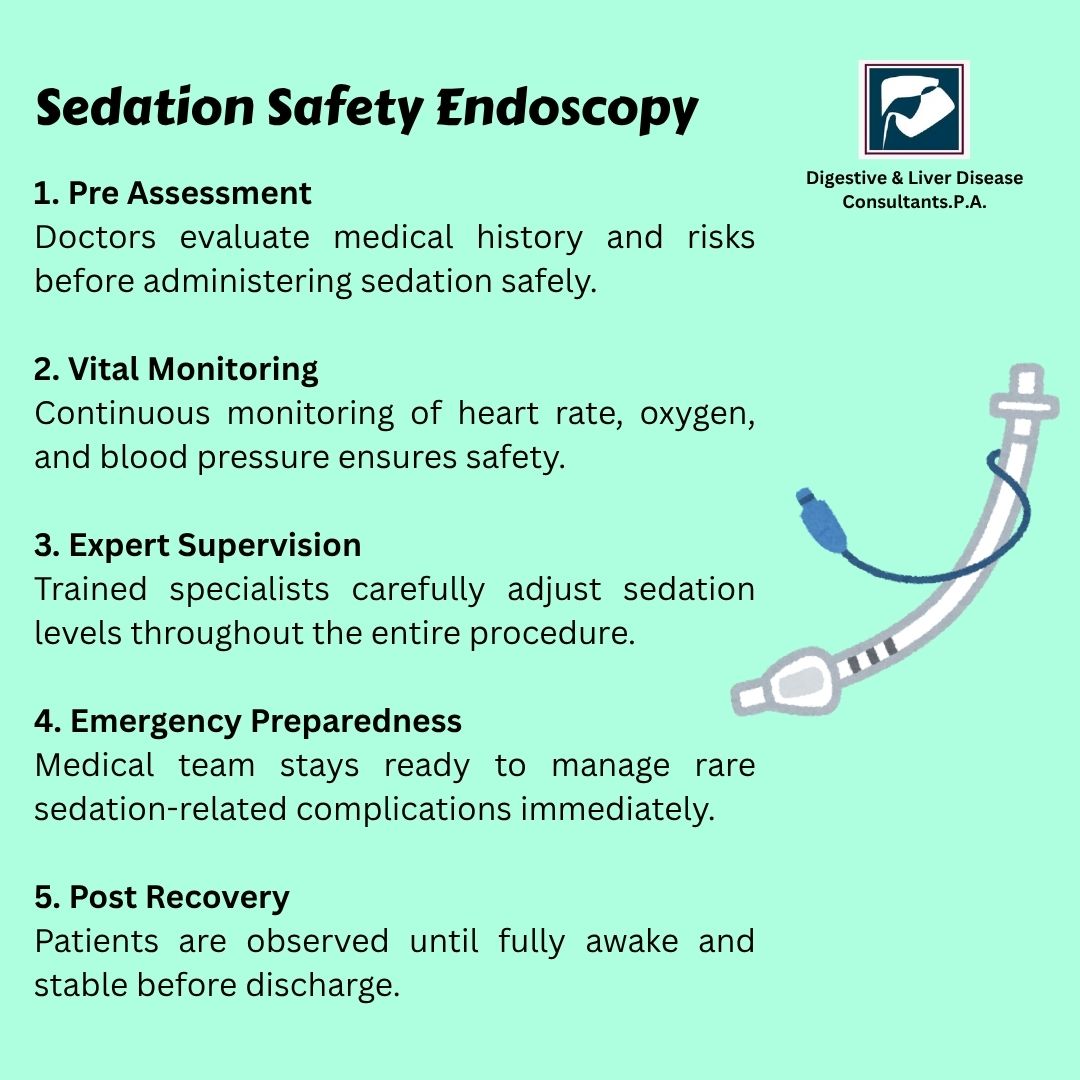
Modern sedation safety in endoscopy relies on strict protocols, advanced monitoring equipment, and skilled medical teams. Risks are low, especially when patients are properly evaluated before the procedure.
However, safety depends on several factors, including patient health, medication use, and the experience of the medical team.
Pre-Procedure Safety Evaluation
Safety begins before the procedure even starts.
Patients undergo a detailed evaluation that includes:
- Medical history review
- Current medications
- Allergies
- Previous reactions to anesthesia or sedation
- Existing medical conditions such as heart or lung disease
This assessment helps doctors choose the safest sedation approach and minimize potential risks.
How Expert Monitoring Protects Patients?
Continuous monitoring is the most important factor in ensuring safe sedation.
During the procedure, trained professionals closely track the patient’s vital signs, including:
- Heart rate
- Blood pressure
- Oxygen levels
- Breathing pattern
Advanced monitoring equipment allows the team to detect even small changes in real time.
If any variation occurs, immediate adjustments are made to maintain stability. This level of vigilance is what makes sedation safety in endoscopy so effective.
Role of the Medical Team
A skilled team is essential for safe sedation.
Depending on the type of sedation, the team may include:
- Gastroenterologist
- Trained nursing staff
- Anesthesia specialist (in certain cases)
Each member plays a specific role in ensuring patient safety and comfort.
Their training allows them to respond quickly and effectively to any situation.
Common Sedation Medications
Several medications are used during endoscopy to achieve sedation. These are carefully selected and dosed based on the patient’s needs.
Common options include:
- Sedatives to reduce anxiety
- Pain relievers to minimize discomfort
- Short acting anesthetic agents for deeper sedation
These medications are designed to act quickly and wear off soon after the procedure.
What Patients Feel During Sedation?
Most patients report little to no discomfort during the procedure.
Depending on the level of sedation:
- You may feel relaxed and slightly drowsy
- You may fall asleep briefly
- You may not remember the procedure at all
This makes endoscopy a much more comfortable experience compared to undergoing it without sedation.
After the Procedure: Recovery and Safety
After the procedure, patients are monitored in a recovery area until the effects of sedation wear off.
Common post procedure experiences include:
- Mild drowsiness
- Slight bloating
- Temporary throat discomfort (after upper endoscopy)
Patients are usually advised:
- Not to drive for the rest of the day
- To have someone accompany them home
- To rest and resume normal activities gradually
Because modern sedatives wear off quickly, recovery is generally smooth.
Who Needs Extra Precautions?
While sedation is safe for most people, certain individuals may require additional care.
These include:
- Older adults
- Patients with heart or lung disease
- Individuals with obesity
- Those with sleep apnea
- Patients on multiple medications
In such cases, an anesthesia specialist may be involved to ensure maximum safety.
Benefits of Safe Sedation in Endoscopy
Advances in sedation and monitoring have significantly improved the patient experience.
Key benefits include:
- Greater comfort during procedures
- Reduced anxiety
- Improved procedural accuracy
- Faster recovery
- Lower complication rates
These advantages make endoscopy both effective and patient friendly.
Why Expert Monitoring Matters?
Here’s the key point: sedation itself is only one part of the process. What truly ensures safety is how well the patient is monitored throughout the procedure.
Expert monitoring allows:
- Immediate response to changes
- Precise control of sedation levels
- Prevention of complications
- Safer outcomes for high risk patients
This is why choosing the right healthcare provider is critical.
Why Choose Digestive & Liver Disease Consultants, P.A.?
At Digestive & Liver Disease Consultants, P.A., patient safety is a top priority. Our team follows strict protocols to ensure sedation safety in endoscopy at every step.
We provide:
- Thorough pre procedure assessments
- Experienced medical professionals
- Advanced monitoring technology
- Personalized sedation plans
- Safe and comfortable recovery care
Our goal is to make every endoscopic procedure as safe, smooth, and stress free as possible.
Conclusion
Sedation has transformed endoscopy into a comfortable and accessible procedure for patients. With modern techniques and expert monitoring, sedation safety in endoscopy is well established and highly reliable.
From pre procedure evaluation to post procedure recovery, every step is carefully managed to protect patient health and ensure a positive experience.
If you are scheduled for an endoscopy or have concerns about sedation, discussing your questions with a specialist can provide reassurance and clarity.
Consult Our Specialists
If you need an endoscopy or want to learn more about safe and comfortable digestive procedures, schedule a consultation with best GI experts at Digestive & Liver Disease Consultants, P.A.
Your safety, comfort, and digestive health are our priority.