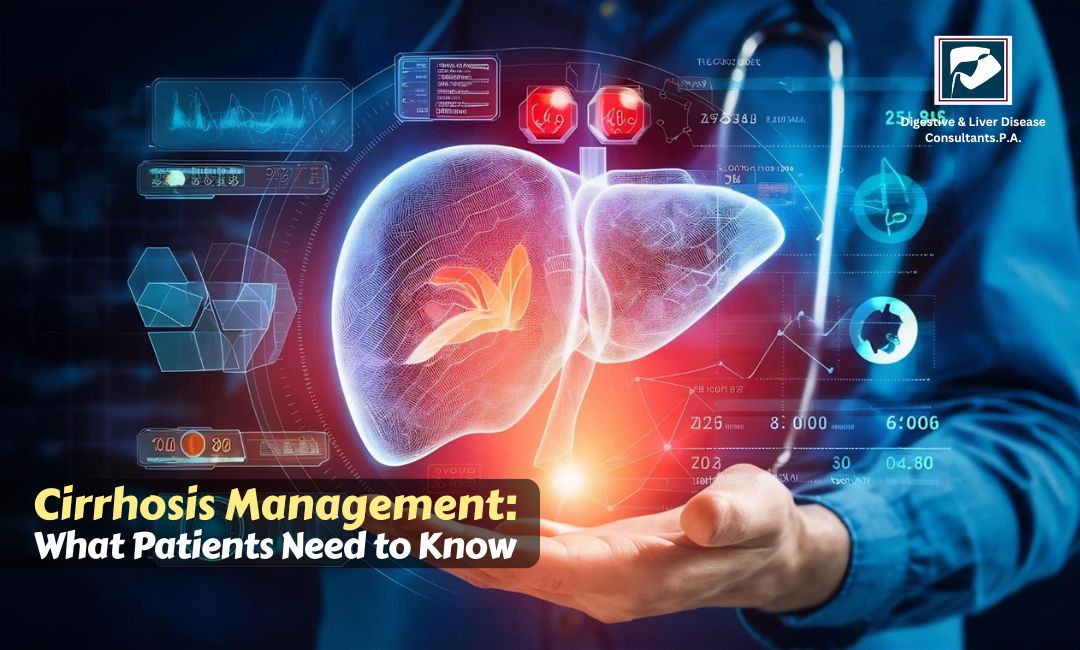
The liver is a resilient organ, capable of performing over 500 vital functions, including filtering toxins, aiding digestion, and regulating blood sugar. However, when chronic injury occurs—whether from long-term alcohol use, viral hepatitis, or metabolic conditions—the liver attempts to repair itself, resulting in scar tissue. Cirrhosis is the late stage of this scarring (fibrosis). While cirrhosis is a serious condition, proactive management can slow its progression, prevent complications, and significantly improve your quality of life.
Understanding Cirrhosis: Symptoms and Early Warning Signs
In its early stages, known as compensated cirrhosis, the liver can still function relatively well despite the scarring. Many patients may not experience obvious symptoms. However, as the damage progresses to decompensated cirrhosis, the body begins to signal that the liver is struggling.
Common symptoms and signs include:
- Persistent fatigue and weakness
- Loss of appetite and unintended weight loss
- Jaundice (yellowing of the skin and eyes)
- Easy bruising or bleeding
- Swelling in the legs, ankles, or feet (edema)
- Fluid buildup in the abdomen (ascites)
- Itchy skin (pruritus)
- Mental confusion or slurred speech (hepatic encephalopathy)
Early detection through cirrhosis monitoring tests—such as FibroScan, ultrasound, and specific blood panels—is essential for creating an effective intervention plan.
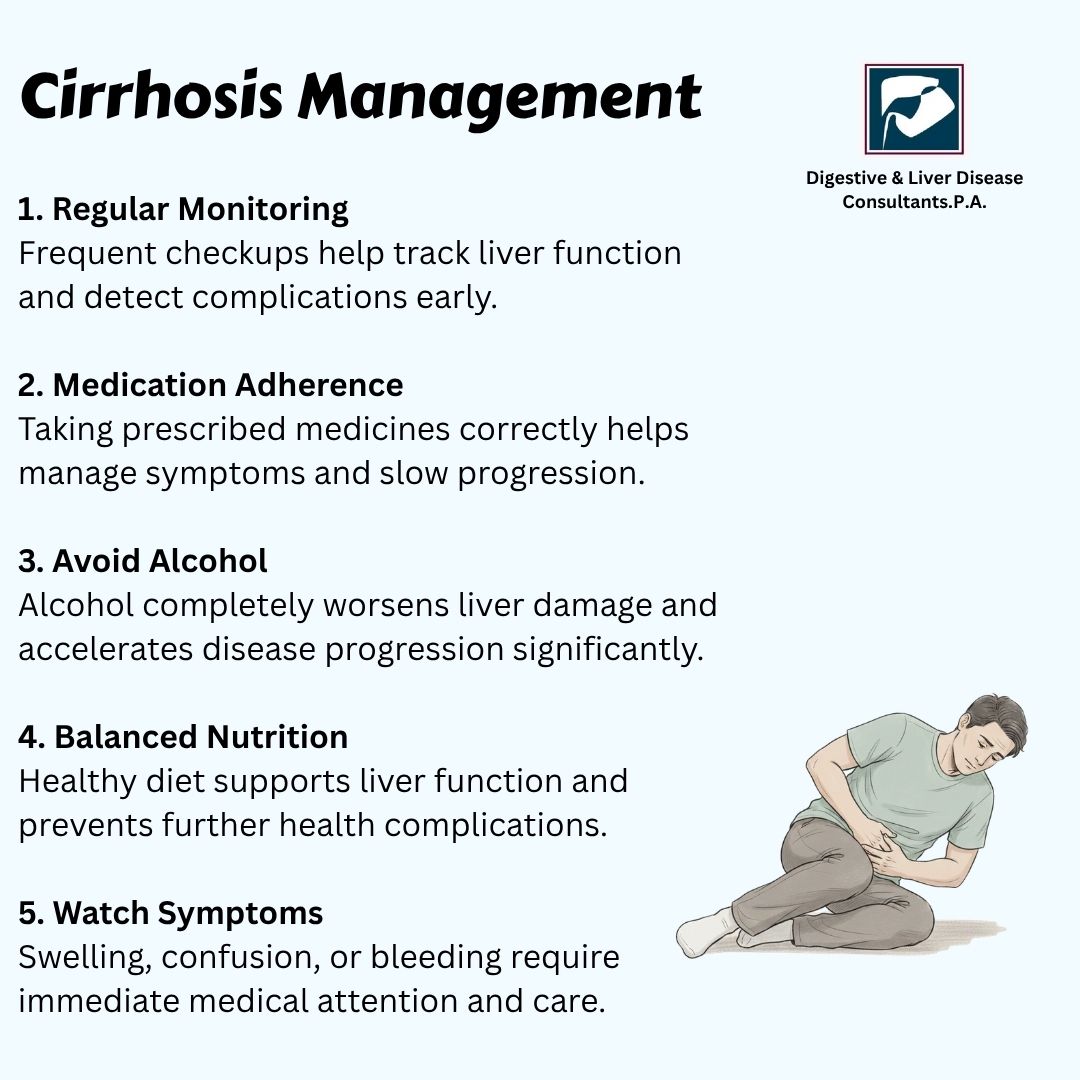
Core Pillars of Managing Liver Cirrhosis
Effective cirrhosis management is multifaceted, focusing on treating the underlying cause, managing symptoms, and preventing further injury.
1. Treating the Underlying Cause
The first step in liver cirrhosis treatment is stopping the source of the damage.
- Alcohol-Related Cirrhosis: Complete abstinence from alcohol is mandatory to prevent rapid decline.
- Viral Hepatitis (B or C): Antiviral medications can control the virus and reduce further inflammation.
- Non-Alcoholic Fatty Liver Disease (NAFLD): Weight management and controlling blood sugar are the primary focus.
2. Medication Options
While medication cannot "cure" the scarring, cirrhosis medication options are used to manage symptoms and complications. These may include diuretics to reduce fluid retention, beta-blockers to lower pressure in the veins, or lactulose to help remove toxins that affect brain function.
3. Lifestyle Changes for Liver Health
Your daily habits are the strongest tools you have in chronic liver disease care.
Smoking Cessation: Smoking increases the risk of liver cancer and accelerates fibrosis.
Avoid Raw Shellfish: People with cirrhosis are highly susceptible to serious infections from bacteria found in raw oysters or clams.
Consult Before New Meds: Always speak with your hepatologist before taking over-the-counter drugs, especially NSAIDs like ibuprofen, which can increase bleeding risks.
The Role of Nutrition: Diet for Cirrhosis Patients
Nutrition plays a pivotal role in liver health tips because the liver is responsible for processing nutrients. When the liver is scarred, patients often face "malnutrition of chronic disease."
Reduce Sodium Intake: This is the most critical dietary change for managing ascites and edema. Aim for less than 2,000mg of sodium per day by avoiding processed meats, canned soups, and table salt.
High-Quality Protein: Contrary to old myths, cirrhosis patients usually need more protein to prevent muscle wasting (sarcopenia). Focus on lean poultry, fish, eggs, and plant-based proteins like lentils.
Small, Frequent Meals: Eating 4 to 6 small meals a day, including a late-night carbohydrate-rich snack, helps maintain energy levels and prevents the body from breaking down its own muscle for fuel.
Managing Common Cirrhosis Complications
Advanced hepatology care for cirrhosis involves the careful monitoring and treatment of secondary conditions:
Portal Hypertension Management: Scarring slows blood flow through the liver, increasing pressure in the portal vein. This can lead to enlarged veins (varices) in the esophagus or stomach that are prone to bleeding.
Ascites Treatment: If fluid builds up in the abdomen, doctors may use diuretics or perform a paracentesis (a procedure to drain the fluid) to provide relief and prevent infection.
Hepatic Encephalopathy: This occurs when the liver can no longer filter toxins like ammonia from the blood. Management involves medication and dietary protein adjustments to keep the mind clear.
Why Choose Digestive & Liver Disease Consultants, P.A.?
Navigating a diagnosis of chronic liver disease requires more than just a prescription; it requires a partnership with specialized experts. At Digestive & Liver Disease Consultants, P.A., we provide a multidisciplinary approach to liver fibrosis management.
Specialized Expertise
Our team consists of board-certified gastroenterologists and hepatologists who specialize specifically in the complexities of the liver. We stay at the forefront of clinical research to offer the latest in cirrhosis monitoring tests and therapeutic interventions.
Personalized Care Plans
No two patients experience cirrhosis the same way. We take the time to understand your specific medical history, lifestyle, and goals. From nutritional counseling to advanced procedural interventions, your treatment plan is tailored to your unique needs.
Comprehensive Diagnostic Technology
We utilize state-of-the-art diagnostic tools, including non-invasive imaging like FibroScan, which allows us to monitor liver stiffness and fat accumulation without the need for frequent, invasive biopsies.
A Focus on Long-Term Wellness
We believe in treating the person, not just the pathology. Our clinic provides the resources and education necessary for patients to take control of their health at home, ensuring you have the support needed for every step of your journey.
Conclusion
A diagnosis of cirrhosis is life-changing, but it does not mean your journey has reached its end. Through a combination of medical intervention, diligent cirrhosis management, and specific liver disease lifestyle changes, it is possible to stabilize the liver and maintain an active life. The key is early intervention and a dedicated care team that understands the nuances of hepatology.
Contact Digestive & Liver Disease Consultants, P.A. today to schedule a comprehensive evaluation and start your personalized liver wellness plan.
Call us or visit our website to book an appointment with our expert hepatology team.