Irritable Bowel Syndrome (IBS) is a complex gastrointestinal disorder that affects millions, yet its management often feels like a moving target. Among the various dietary interventions, fiber is perhaps the most misunderstood. While it is often hailed as a universal remedy for digestive issues, for someone with IBS, the wrong type of fiber can feel like adding fuel to a fire.
Understanding the delicate relationship between fiber and IBS is essential for regaining control over your gut health. By focusing on the specific types of fiber and how they interact with your unique digestive system, you can reduce symptoms and improve your quality of life.
The Dual Nature of Fiber in IBS Management
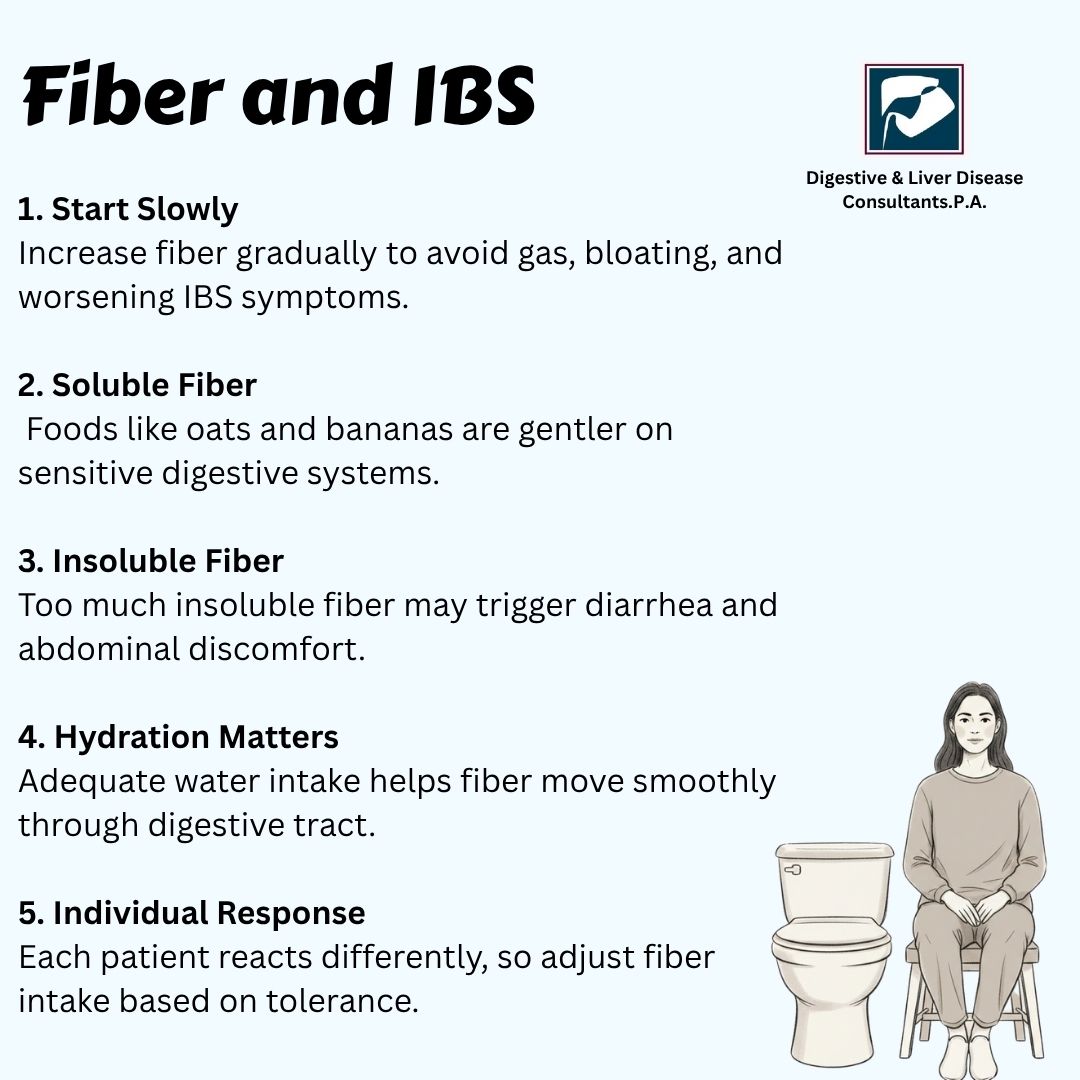
Fiber is a carbohydrate that the human body cannot fully digest. It passes through the small intestine relatively intact and enters the colon, where it plays a vital role in stool formation and supporting the gut microbiome. However, not all fiber is created equal. The distinction between soluble vs insoluble fiber IBS is the foundation of a successful dietary strategy.
Soluble Fiber: The Gentle Regulator
Soluble fiber dissolves in water to form a gel-like substance in the digestive tract. This characteristic makes it the gold standard for managing IBS with diet.
Softening Stools: It draws water into the colon, which is crucial for fiber for IBS constipation.
Slowing Digestion: For those dealing with fiber for IBS diarrhea, soluble fiber can help add bulk and slow down transit time, leading to more formed movements.
Prebiotic Benefits: It serves as a food source for beneficial gut bacteria, promoting overall gut health fiber IBS.
Insoluble Fiber: The Potential Irritant
Insoluble fiber does not dissolve in water. It acts as "roughage," speeding up the movement of food through the system. While healthy for the general population, it can be problematic for IBS patients.
Mechanical Irritation: The coarse texture can irritate the lining of a sensitive gut.
Stimulation: It can trigger the "gastrocolic reflex," potentially worsening cramping and urgency in those with diarrhea-predominant IBS (IBS-D).
Strategic IBS Fiber Intake: Tips for Success
Finding the best fiber for IBS requires a systematic approach. Many patients make the mistake of increasing fiber too quickly or choosing high-FODMAP sources that lead to IBS bloating fiber issues.
1. Prioritize Low FODMAP Fiber Foods
FODMAPs are fermentable carbohydrates that are poorly absorbed and can cause significant gas and bloating. To hit your digestive health fiber intake goals without the pain, focus on these options:
- Oats: A fantastic source of soluble fiber.
- Kiwi: Natural enzymes and fiber help with regularity without excessive gas.
- Carrots and Eggplant: Safe, non-irritable vegetables.
- Chia Seeds: Highly absorbent and soothing for the gut lining.
2. The "Low and Slow" Method
The most important of all IBS diet fiber tips is to start small. If you currently consume 10 grams of fiber per day, do not jump to 25 grams tomorrow. Increase your intake by 2 to 3 grams every few days to allow your microbiome to adapt.
3. Hydration is Non-Negotiable
Fiber requires water to function. Without adequate hydration, increasing your fiber intake can actually lead to harder stools and increased transit pain. Aim for consistent water intake throughout the day.
Exploring Fiber Supplements for IBS
When whole foods aren't enough to reach the recommended 25 to 35 grams of daily fiber, many practitioners suggest fiber supplements IBS.
Psyllium Husk: A Versatile Ally
Psyllium husk IBS benefits are well-documented. As a concentrated source of soluble fiber, it is often better tolerated than wheat-bran-based supplements. It is particularly effective because it is "viscous" but not "highly fermentable," meaning it provides the benefits of bulk without the side effect of excessive gas.
Methylcellulose and Sterculia
These are synthetic or semi-synthetic alternatives that are non-fermentable. If you find that even psyllium causes bloating, these options may provide the necessary bulk without feeding the gas-producing bacteria in the colon.
Why Choose Digestive & Liver Disease Consultants, P.A.?
Navigating the complexities of how much fiber IBS patients need is difficult to do alone. At Digestive & Liver Disease Consultants, P.A., we provide a specialized approach to gastrointestinal wellness.
Expert Clinical Oversight: Our board-certified gastroenterologists understand that IBS is not a "one size fits all" condition. We use advanced diagnostics to rule out other underlying issues like SIBO or Celiac disease.
Personalized Nutrition Planning: We don't just tell you to "eat more fiber." We provide specific, data-driven dietary roadmaps tailored to your IBS subtype (IBS-C, IBS-D, or IBS-M).
Comprehensive Care: Beyond diet, we offer a full spectrum of treatments, including stress management techniques and medical therapies, to ensure every angle of your digestive health is covered.
Patient-Centric Approach: We prioritize listening. We know the frustration of "invisible" symptoms and work tirelessly to find the exact balance that restores your comfort and confidence.
Points to Remember for Daily Management
Peel your vegetables: Removing the skin reduces the amount of insoluble "roughage" while keeping the soluble nutrients.
- Cook thoroughly: Raw vegetables are harder to break down; steaming or roasting makes fiber more accessible and less irritating.
- Track your triggers: Use a food diary to note which fiber sources correlate with IBS bloating fiber or discomfort.
- Avoid "Invisible" Irritants: Be cautious with fiber-enriched processed foods (like "fiber bars") that often contain inulin or chicory root, which are notorious for causing gas in IBS patients.
Conclusion
Finding the right balance of fiber is a journey of trial and error, but it remains one of the most effective ways to manage IBS symptoms long-term. By prioritizing soluble fiber, choosing low FODMAP options, and working closely with specialists, you can move away from the fear of eating and toward a lifestyle of digestive ease.
If you are struggling to manage your symptoms or are unsure how to adjust your IBS fiber intake, do not navigate this path alone.
Take the first step toward a healthier gut today. Contact Digestive & Liver Disease Consultants, P.A. to schedule a comprehensive consultation. Our team is ready to help you find the balance you deserve.
Call us today or visit our website to book your appointment.