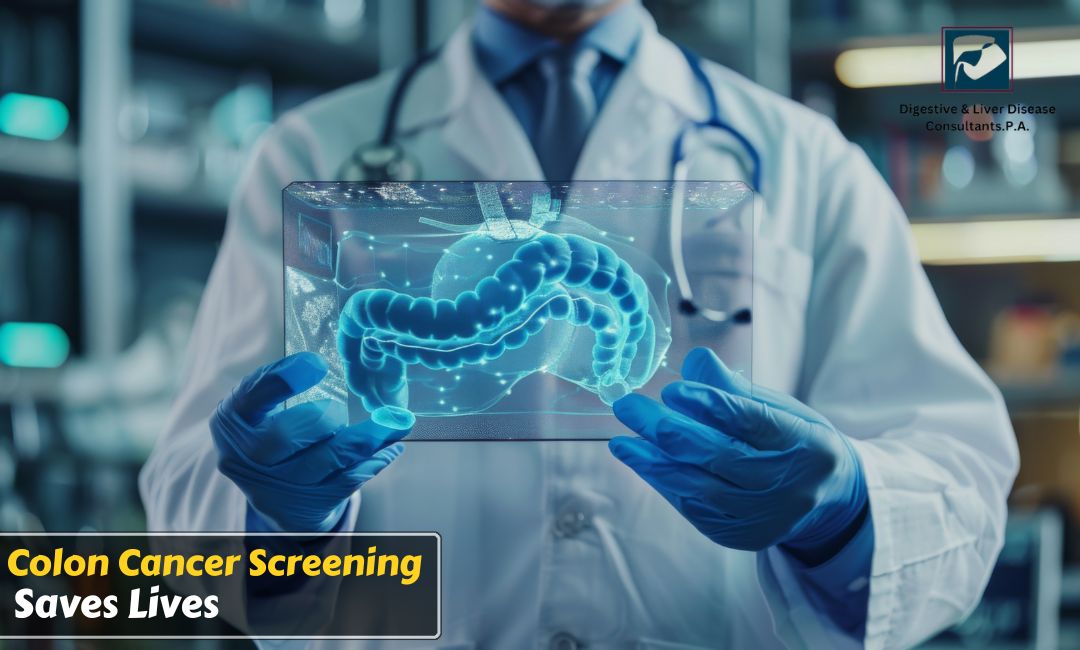
Colon cancer is one of the most common cancers worldwide, yet it is also one of the most preventable. With timely colon cancer screening, many cases can be detected early or even prevented entirely. Understanding the importance of screening and taking proactive steps can make a life-saving difference.
What is Colon Cancer?
Colon cancer, also known as colorectal cancer, develops in the large intestine or rectum. It usually begins as small, non-cancerous growths called polyps. Over time, some of these polyps can turn into cancer if left untreated. This is why early detection colon cancer strategies play a crucial role in reducing risk.
Why Colon Cancer Screening Matters
Screening is not just about finding cancer early. It is also about preventing it. During screening procedures like colonoscopy screening USA, doctors can detect and remove polyps before they become cancerous.
Here is why screening is essential:
- Detects cancer at an early, treatable stage
- Helps prevent cancer by removing precancerous polyps
- Reduces mortality rates significantly
- Provides peace of mind and clarity about your health
Many people do not experience symptoms in the early stages, which makes colorectal cancer screening even more important.
Who Should Get Screened?
Screening recommendations may vary depending on your risk factors, but general guidelines include:
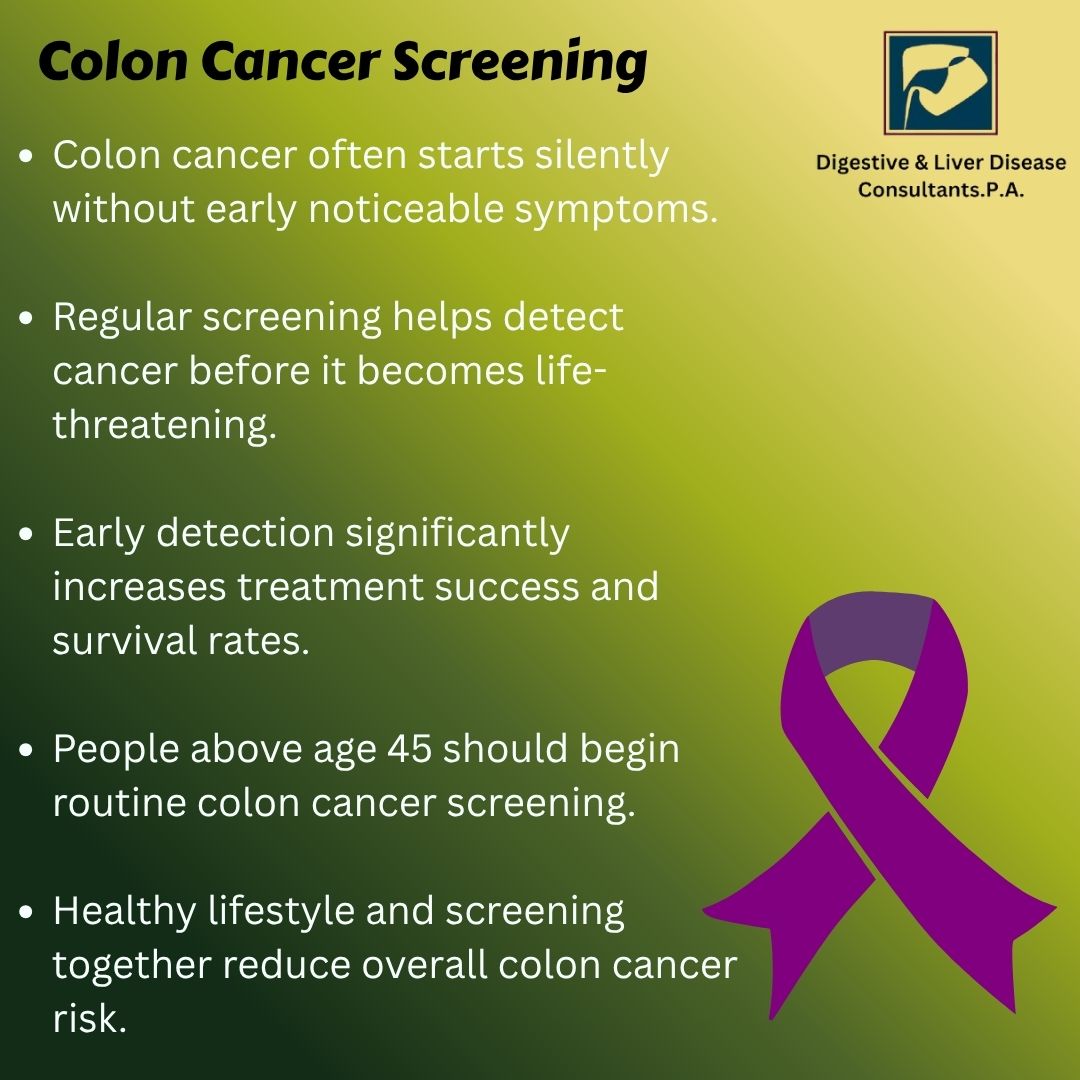
- Adults aged 45 and above should begin regular screening
- Individuals with a family history of colon cancer may need earlier screening
- People with inflammatory bowel disease or genetic conditions should be monitored closely
- Those with lifestyle risk factors such as obesity, smoking, or a sedentary lifestyle should be more vigilant
Consulting a specialist can help determine the best screening schedule for you.
Types of Colon Cancer Screening Tests
There are several screening options available. Your doctor will recommend the most suitable test based on your health and risk level.
Colonoscopy
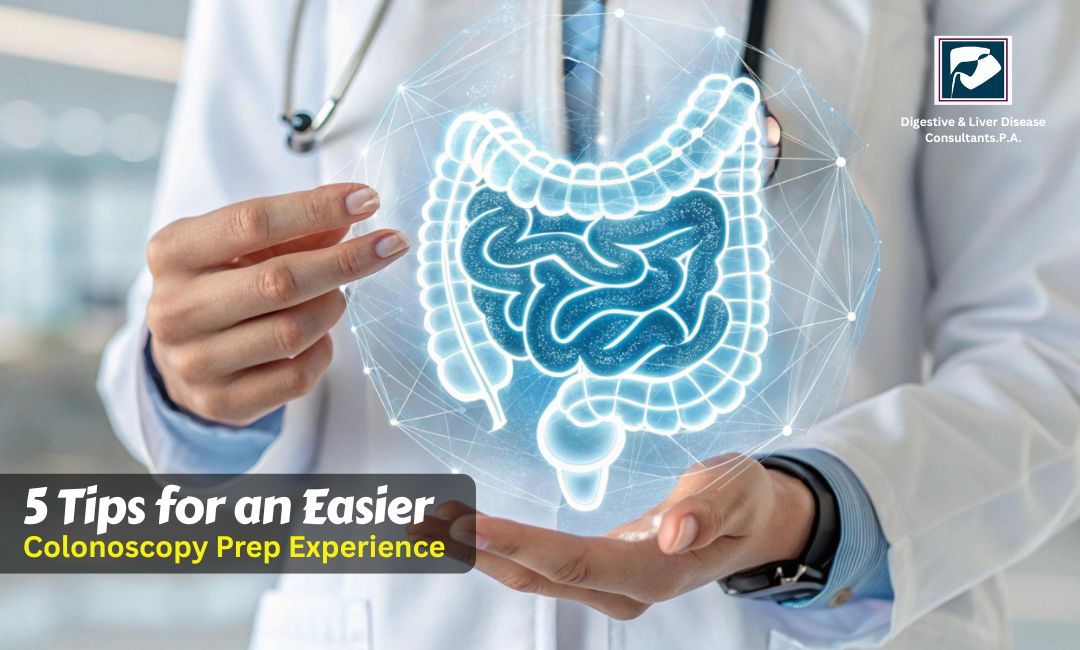
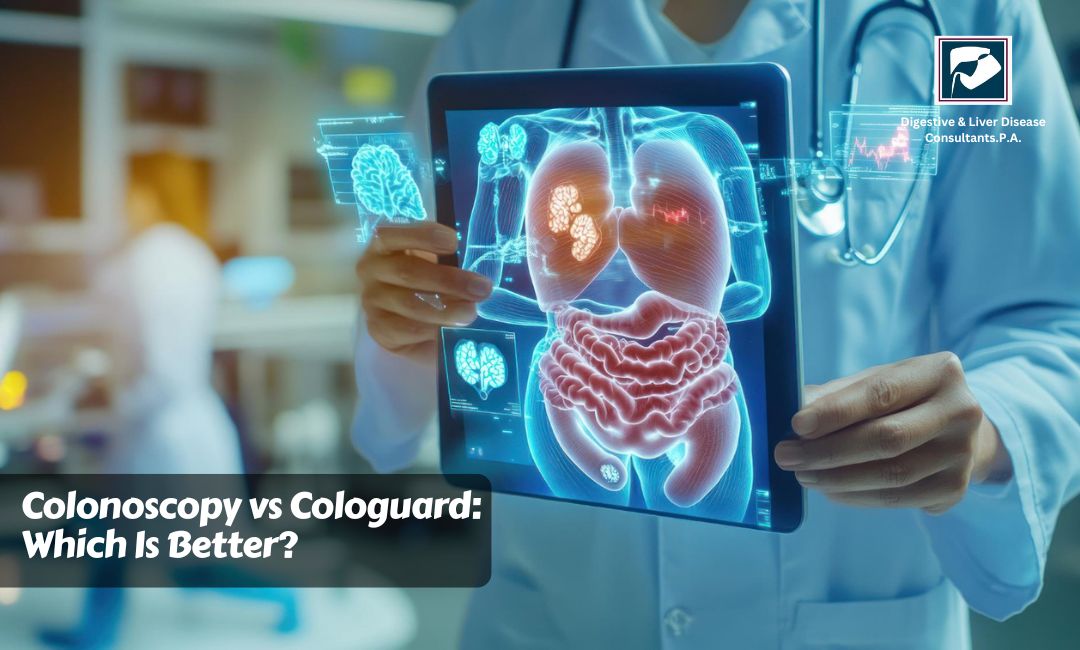
Colonoscopy is considered the gold standard in colon cancer screening. It allows doctors to examine the entire colon and remove polyps during the same procedure.
Benefits include:
- Highly accurate detection
- Ability to remove polyps immediately
- Long screening intervals if results are normal
Stool-Based Tests
These tests detect hidden blood or abnormal DNA in the stool.
Common options include:
- Fecal Immunochemical Test (FIT)
- Stool DNA tests
These are non-invasive but need to be done more frequently.
Flexible Sigmoidoscopy
This test examines the lower part of the colon and is less invasive than a full colonoscopy. However, it does not evaluate the entire colon.
Signs and Symptoms You Should Not Ignore
Although screening is recommended even without symptoms, certain warning signs require immediate medical attention:
- Persistent changes in bowel habits
- Blood in the stool
- Abdominal discomfort or cramping
- Unexplained weight loss
- Fatigue or weakness
If you notice any of these symptoms, do not delay seeking medical care.
Risk Factors for Colon Cancer
Understanding your risk factors can help you take preventive action.
Common risk factors include:
- Age above 45
- Family history of colorectal cancer
- Diet high in red or processed meats
- Low fiber intake
- Smoking and excessive alcohol consumption
- Obesity and lack of physical activity
Colon Cancer Prevention Tips
Prevention goes hand in hand with screening. Making healthy lifestyle choices can significantly reduce your risk.
Simple steps for colon cancer prevention:
- Eat a fiber-rich diet with fruits, vegetables, and whole grains
- Limit red and processed meats
- Stay physically active
- Maintain a healthy weight
- Avoid smoking and limit alcohol intake
- Stay consistent with recommended screenings
Combining lifestyle changes with regular colorectal cancer screening provides the best protection.
What to Expect During a Colonoscopy
Many people avoid screening due to fear or uncertainty. Understanding the procedure can ease concerns.
- Preparation involves cleaning the colon using a prescribed solution
- The procedure is usually done under sedation
- A flexible tube with a camera is used to examine the colon
- Polyps can be removed during the same procedure
- Recovery is quick, and most people resume normal activities the next day
Colonoscopy is safe, effective, and a key tool in early detection colon cancer.
Why Choose Digestive & Liver Disease Consultants, P.A.?
Choosing the right healthcare provider is essential for accurate diagnosis and effective treatment. Digestive & Liver Disease Consultants, P.A. is committed to delivering comprehensive and patient-centered care.
Key reasons to choose them:
- Experienced gastroenterology specialists with advanced expertise
- State-of-the-art diagnostic and screening technology
- Personalized screening plans based on individual risk factors
- Focus on patient comfort and safety during procedures
- Comprehensive digestive health services under one roof
- Strong emphasis on preventive care and early detection
Their team ensures that every patient receives high-quality care with a focus on long-term health outcomes.
Overcoming Common Myths About Screening
Many misconceptions prevent people from getting screened.
Let us address a few:
- Screening is only needed if you have symptoms
- Screening is necessary even if you feel healthy
- Colonoscopy is painful
- The procedure is typically painless due to sedation
- Screening is not necessary for younger adults
- Cases are increasing in younger populations, making early screening important
It is embarrassing - Healthcare professionals handle these procedures with complete professionalism and care
Breaking these myths can encourage more people to prioritize their health.
The Role of Early Detection
Early detection dramatically improves survival rates. When colon cancer is identified at an early stage, treatment is more effective and less invasive. In many cases, removing polyps during screening can stop cancer before it starts.
This highlights the life-saving power of colon cancer screening and reinforces the need for regular check-ups.
Conclusion
Colon cancer is preventable, treatable, and often curable when detected early. Regular colorectal cancer screening, healthy lifestyle choices, and awareness of risk factors are key to protecting your health. Do not wait for symptoms to appear. Take proactive steps today to safeguard your future.
If you are due for screening or have concerns about your digestive health, schedule your appointment with Digestive & Liver Disease Consultants, P.A. today. Their expert team is dedicated to providing advanced colonoscopy screening USA services and personalized care focused on prevention and early detection. Prioritize your health now and take the first step toward a cancer-free future.