Seeing blood after a bowel movement can be alarming. For many people, rectal bleeding is the symptom that finally pushes them to seek medical advice. Here’s the thing. Rectal bleeding can range from a minor issue to a sign of a serious digestive condition. Understanding the possible causes helps reduce panic and encourages timely care.
Rectal bleeding refers to any blood that passes from the anus. It may appear as bright red blood on toilet paper, streaks in the stool, dark colored stools, or blood mixed with mucus. The color, amount, and frequency often give important clues about where the bleeding is coming from.
Why Rectal Bleeding Should Never Be Ignored
Rectal bleeding is not a disease on its own. It is a symptom. Sometimes it is caused by conditions that are easy to treat. Other times, it may signal inflammation, infection, or even cancer of the digestive tract.
Ignoring rectal bleeding can delay diagnosis and treatment. Early evaluation leads to better outcomes and peace of mind.
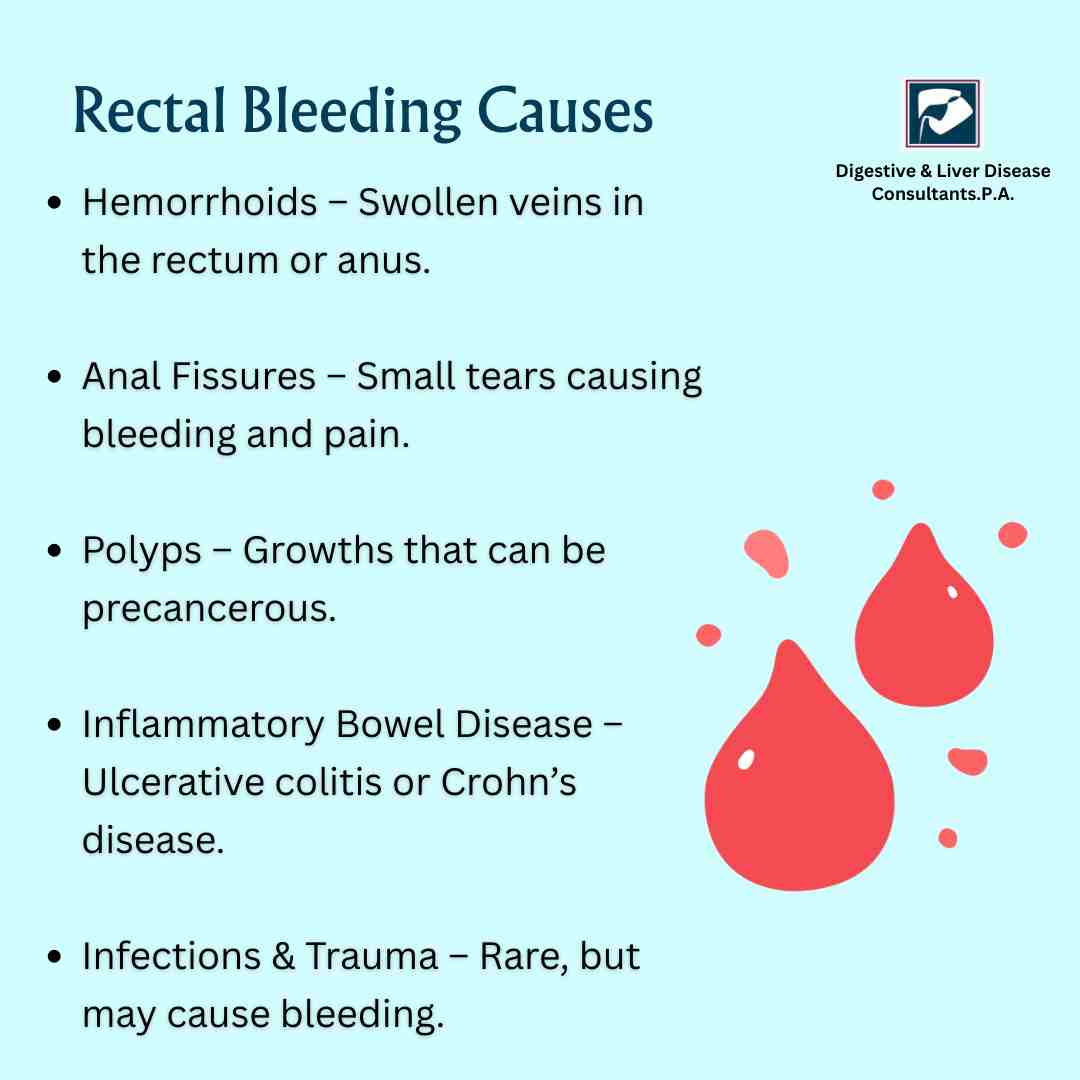
Common Causes of Rectal Bleeding
1. Hemorrhoids
Hemorrhoids are the most common cause of rectal bleeding. They are swollen veins in the lower rectum or anus.
Typical signs include:
- Bright red blood during or after bowel movements
- Blood on toilet paper or in the toilet bowl
- Anal itching or discomfort
- A feeling of incomplete bowel movement
Hemorrhoids often develop due to chronic constipation, straining during bowel movements, prolonged sitting, pregnancy, or obesity.
2. Anal Fissures
An anal fissure is a small tear in the lining of the anus. It usually occurs after passing hard or large stools.
Symptoms include:
- Sharp pain during bowel movements
- Bright red blood on stool or tissue
- Burning sensation after passing stool
Anal fissures are common in people with chronic constipation and can heal with proper treatment and dietary changes.
3. Diverticular Disease
Diverticula are small pouches that form in the wall of the colon. When these pouches bleed or become inflamed, it can lead to rectal bleeding.
Key features include:
- Sudden painless bleeding
- Large amounts of bright red or maroon blood
- Changes in bowel habits
Diverticular bleeding can be significant and often requires immediate medical attention.
4. Inflammatory Bowel Disease
Inflammatory bowel disease includes conditions like ulcerative colitis and Crohn’s disease. These are chronic conditions that cause inflammation of the digestive tract.
Common symptoms include:
- Blood mixed with stool
- Chronic diarrhea
- Abdominal pain
- Fatigue and weight loss
Rectal bleeding in inflammatory bowel disease usually indicates active inflammation and needs specialized care.
5. Colorectal Polyps
Polyps are abnormal growths in the colon or rectum. While many polyps are benign, some can turn into cancer over time.
Important points to know:
- Polyps often cause no symptoms
- Rectal bleeding may be the first warning sign
- Early detection prevents cancer development
Screening colonoscopy helps identify and remove polyps before they become dangerous.
6. Colorectal Cancer
Rectal bleeding can be an early sign of colorectal cancer. This is especially concerning in individuals over 45 or those with a family history of cancer.
Warning signs include:
- Persistent rectal bleeding
- Blood mixed with stool
- Unexplained weight loss
- Changes in bowel habits
- Fatigue or anemia
Early diagnosis significantly improves treatment success and survival rates.
7. Infections of the Digestive Tract
Certain bacterial, viral, or parasitic infections can irritate the intestinal lining and cause bleeding.
Symptoms may include:
- Bloody diarrhea
- Fever
- Abdominal cramps
- Nausea or vomiting
Prompt diagnosis and treatment are essential to prevent complications.
8. Proctitis
Proctitis is inflammation of the rectum. It may be caused by infections, radiation therapy, inflammatory bowel disease, or autoimmune conditions.
Signs include:
- Rectal bleeding
- Rectal pain
- Urgency to pass stool
- Mucus discharge
Treatment depends on identifying the underlying cause.
9. Angiodysplasia
Angiodysplasia refers to fragile blood vessels in the colon that can bleed intermittently.
Key characteristics
- More common in older adults
- Painless bleeding episodes
- Blood may appear dark or bright red
This condition often requires endoscopic treatment.
When Should You See a Doctor?
You should seek medical attention if
- Bleeding occurs repeatedly
- Bleeding is heavy or persistent
- Blood is mixed with stool
- You experience abdominal pain or weight loss
- You feel weak, dizzy, or fatigued
Even if the bleeding seems minor, professional evaluation is always the safest step.
How Rectal Bleeding Is Diagnosed?
Doctors may recommend:
- Physical and rectal examination
- Blood tests to check for anemia
- Stool tests
- Colonoscopy or sigmoidoscopy
- Imaging studies if needed
The goal is to find the source of bleeding accurately and early.
Treatment Options
Treatment depends on the cause and severity of bleeding. Options may include
- Dietary changes and fiber supplements
- Medications to reduce inflammation or infection
- Minimally invasive procedures
- Endoscopic treatments
- Surgery in advanced cases
Early intervention often avoids the need for more aggressive treatment.
Why Choose Digestive & Liver Disease Consultants, P.A.?
Choosing the right digestive care provider makes all the difference. Digestive & Liver Disease Consultants, P.A. is dedicated to providing expert, compassionate, and evidence based care.
What sets us apart:
- Board certified gastroenterologists with extensive experience
- Advanced diagnostic tools including endoscopy and colonoscopy
- Personalized treatment plans tailored to each patient
- Focus on early detection and prevention
- Comprehensive care for digestive and liver conditions
- Patient centered approach with clear communication
Our team understands that symptoms like rectal bleeding can be stressful. We focus on accurate diagnosis, effective treatment, and long term digestive health.
Preventing Rectal Bleeding
While not all causes are preventable, simple steps can reduce risk
- Eat a high fiber diet
- Stay well hydrated
- Avoid straining during bowel movements
- Exercise regularly
- Get routine screenings as recommended
Healthy habits go a long way in protecting your digestive system.
Conclusion
Rectal bleeding is a symptom that should never be ignored. While it can be caused by common conditions like hemorrhoids or fissures, it may also signal serious digestive diseases that require prompt care. Understanding the causes helps reduce fear, but only proper medical evaluation can provide answers.
Early diagnosis saves lives and improves quality of life. Paying attention to warning signs is one of the most important steps you can take for your digestive health.
If you or a loved one is experiencing rectal bleeding, do not wait. Schedule an appointment with Digestive & Liver Disease Consultants, P.A. today. Our expert team is here to provide accurate diagnosis, advanced treatment, and compassionate care to help you feel confident about your digestive health again.