Colorectal surgery has evolved significantly over the past few decades. Traditional open surgery once required large incisions, longer hospital stays, and extended recovery periods. Today, many colon and rectal conditions can be treated using minimally invasive colorectal surgery, a modern approach designed to reduce surgical trauma while improving patient outcomes.
These advanced procedures allow surgeons to operate through small incisions using specialized instruments and high definition imaging. Techniques such as laparoscopic colorectal surgery and robotic colorectal surgery have transformed the way doctors treat colon and rectal diseases.
Understanding how these procedures work and their benefits can help patients feel more confident when facing surgical treatment.
What Is Minimally Invasive Colorectal Surgery?
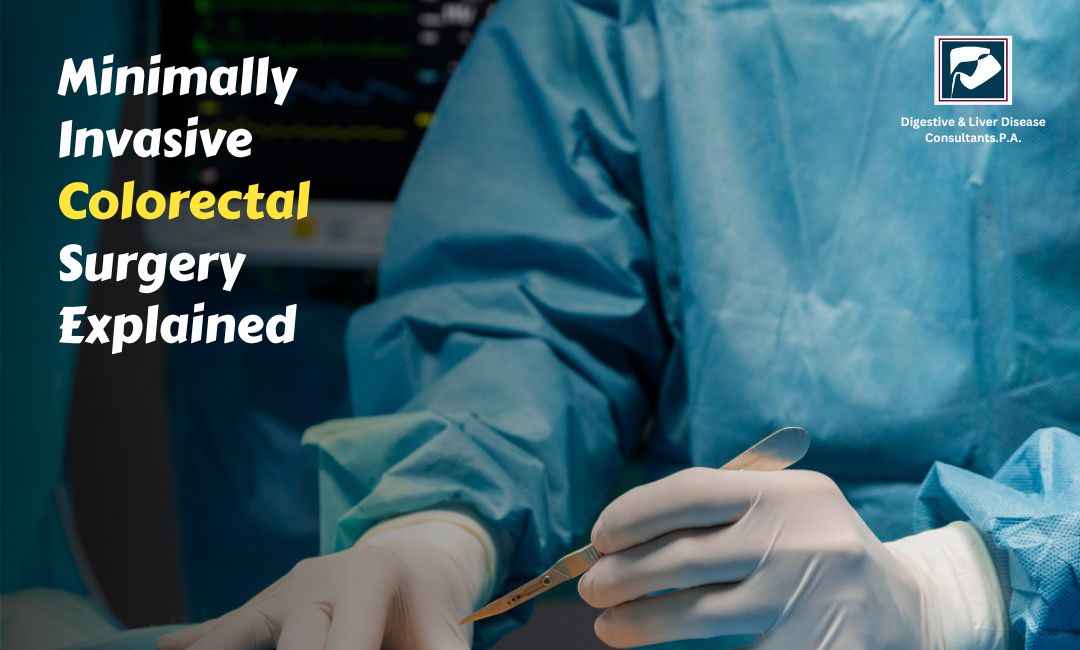
Minimally invasive GI surgery refers to surgical techniques that require smaller incisions compared to traditional open surgery. Instead of making a large abdominal incision, surgeons operate through several small openings using specialized instruments and a camera.
The camera provides a magnified view of the surgical area, allowing precise movements and improved visualization of the digestive organs.
These modern digestive surgery techniques are commonly used to treat a wide range of colon and rectal conditions, including:
- Colorectal cancer
- Diverticulitis
- Inflammatory bowel disease
- Colon polyps
- Rectal prolapse
- Severe hemorrhoids
- Bowel obstruction
Because of the smaller incisions and improved precision, many patients experience faster healing and fewer complications.
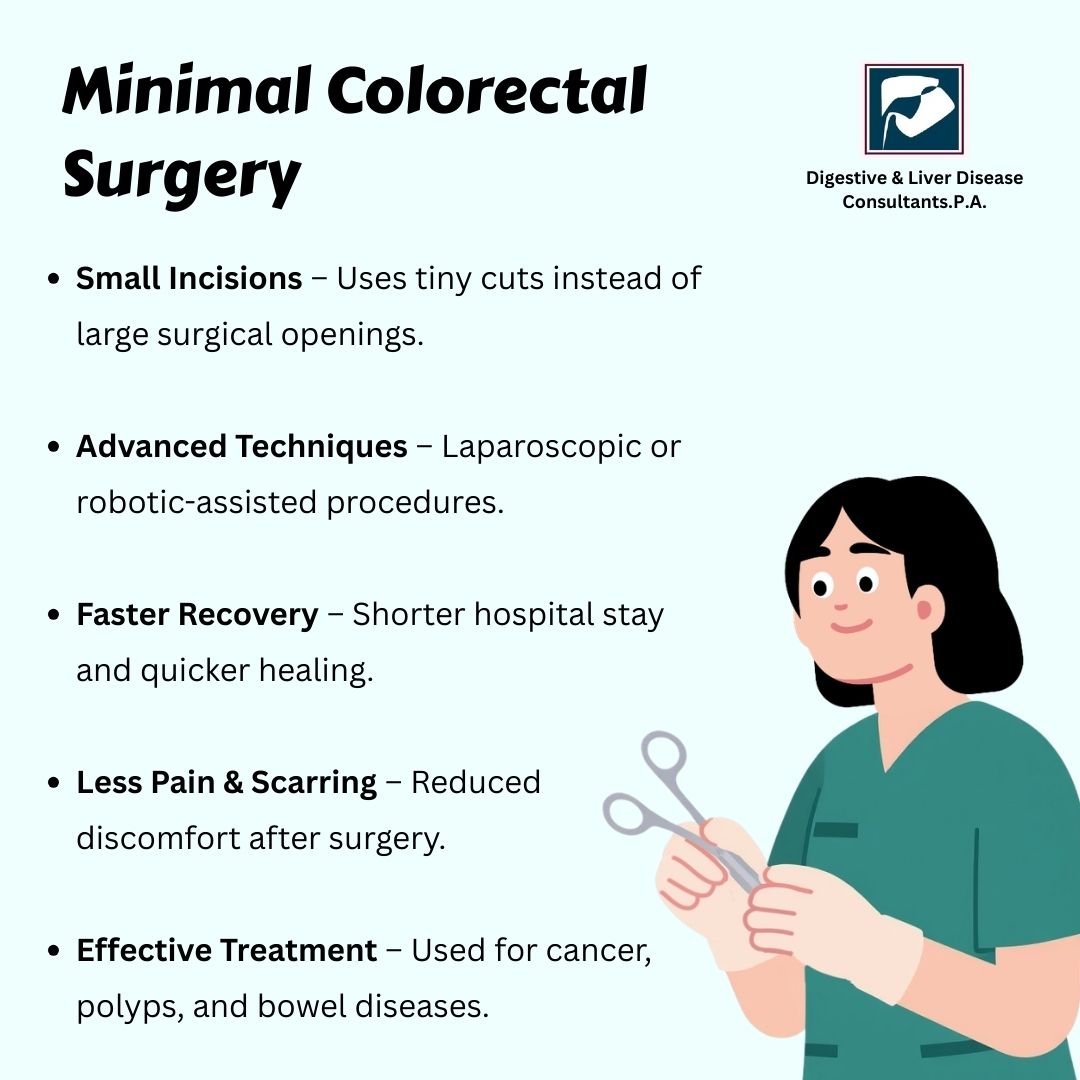
Types of Minimally Invasive Colorectal Surgery
Several advanced techniques are used in modern colorectal care. Each approach offers unique advantages depending on the patient’s condition.
Laparoscopic Colorectal Surgery
Laparoscopic colorectal surgery is one of the most widely used minimally invasive techniques. During this procedure, the surgeon inserts a small camera called a laparoscope through a tiny incision in the abdomen.
Specialized instruments are then used to perform the surgery while viewing the internal organs on a monitor.
Benefits of laparoscopic rectal surgery and colon procedures include:
- Smaller incisions
- Less postoperative pain
- Reduced blood loss
- Shorter hospital stay
- Faster recovery time
This technique is commonly used for colon resections, treatment of diverticulitis, and removal of colorectal tumors.
Robotic Colorectal Surgery
Another advancement in modern colon surgery methods is robotic colorectal surgery. This approach uses robotic technology controlled by the surgeon to perform extremely precise movements.
The robotic system provides enhanced visualization, improved flexibility, and greater accuracy during complex procedures.
Some key robotic colon surgery benefits include:
- Greater surgical precision
- Enhanced visualization of delicate structures
- Improved control during complex rectal procedures
- Reduced risk of complications
Robotic surgery is especially helpful in challenging cases involving the rectum or deep pelvic structures.
Conditions Treated With Minimally Invasive Surgery
Many colorectal surgeon procedures can now be performed using minimally invasive methods. These include treatment for both benign and cancerous conditions.
Colorectal Cancer
One of the most common uses of minimally invasive techniques is colorectal cancer surgery options. Surgeons can remove cancerous sections of the colon or rectum while preserving healthy tissue.
These advanced procedures allow for effective cancer treatment while reducing recovery time compared to traditional surgery.
Diverticulitis
Patients with severe or recurrent diverticulitis may require surgery to remove the affected portion of the colon. Advanced colorectal procedures performed laparoscopically can help relieve symptoms and prevent complications.
Inflammatory Bowel Disease
In certain cases of Crohn’s disease or ulcerative colitis, surgery may be necessary to remove damaged sections of the intestine. Minimally invasive approaches can reduce surgical stress for patients living with chronic disease.
Colon Polyps and Other Structural Problems
Large polyps or structural abnormalities in the colon may also require surgical treatment. Rectal surgery techniques allow specialists to remove problematic tissue while protecting surrounding organs.
Benefits of Minimally Invasive Colon Surgery
Patients often ask why minimally invasive surgery is preferred when possible. The answer lies in the many advantages these modern techniques provide.
Smaller Incisions
Because the procedure uses small surgical openings, there is less trauma to surrounding tissues.
Reduced Pain
Many patients experience less postoperative discomfort compared to traditional open surgery.
Faster Recovery
The colon surgery recovery time is typically shorter, allowing patients to return to normal activities sooner.
Lower Risk of Infection
Smaller incisions reduce the risk of wound complications and infections.
Shorter Hospital Stays
Many patients can leave the hospital earlier after minimally invasive procedures.
These minimally invasive colon surgery benefits make this approach an attractive option for both surgeons and patients.
Recovery After Colorectal Surgery
Recovery after surgery varies depending on the type of procedure performed and the patient’s overall health. However, minimally invasive approaches generally support a faster healing process.
Most patients begin walking within a day after surgery, which helps prevent complications and promotes circulation.
The colon surgery recovery time may range from a few weeks to a couple of months depending on the complexity of the operation.
Colorectal Surgery Recovery Tips
Following proper postoperative care is essential for a smooth recovery. Here are some helpful colorectal surgery recovery tips.
- Follow your surgeon’s dietary recommendations
- Gradually increase physical activity
- Stay hydrated
- Take prescribed medications as directed
- Attend follow up appointments
Listening to your medical team and allowing your body time to heal are key parts of the recovery process.
The Role of an Experienced Colorectal Surgeon
Minimally invasive procedures require specialized training and expertise. A skilled surgeon must understand both advanced surgical technology and complex digestive anatomy.
A qualified colorectal specialist evaluates each patient individually and determines whether minimally invasive surgery is the best option.
Not every case requires surgery, and treatment plans are tailored to the patient’s specific condition and overall health.
Why Choose Digestive & Liver Disease Consultants, P.A.?
At Digestive & Liver Disease Consultants, P.A., patients receive expert care for a wide range of digestive and colorectal conditions. Our team is committed to providing advanced diagnostic services and modern treatment options for colon and rectal disorders.
We focus on patient centered care, ensuring that each individual receives a personalized treatment plan based on their health needs.
Our Gastro specialists are experienced in advanced colorectal procedures, minimally invasive techniques, and comprehensive digestive care. From initial diagnosis to recovery, patients receive guidance and support throughout every stage of treatment.
Conclusion
Advances in surgical technology have transformed the treatment of colon and rectal conditions. Minimally invasive colorectal surgery offers a safer, more comfortable option for many patients requiring surgical care.
Techniques such as laparoscopic colorectal surgery and robotic colorectal surgery allow surgeons to perform complex procedures with greater precision while reducing recovery time and postoperative discomfort.
If you are facing a colon or rectal condition that may require surgery, understanding your options can help you make informed decisions about your care.
Consulting a specialist ensures that you receive the most appropriate treatment and access to the latest advancements in digestive surgery.
If you are experiencing symptoms related to colon or rectal disorders, expert care is essential. Schedule a consultation with the specialists at Digestive & Liver Disease Consultants, P.A. to explore advanced treatment options and personalized care for your digestive health.