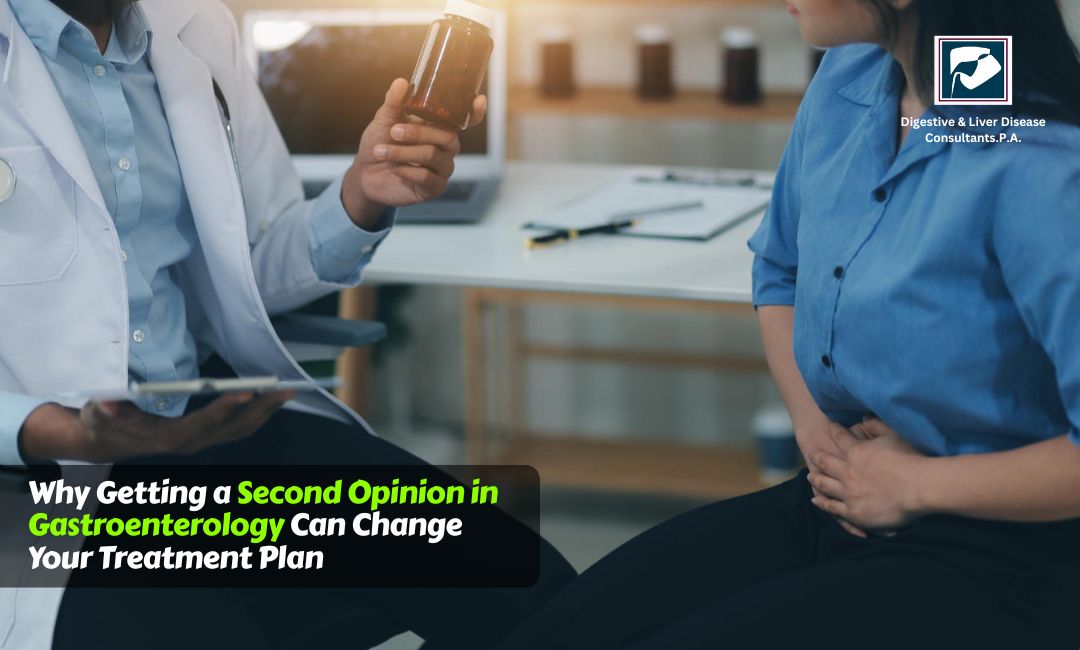
Digestive problems can be frustrating. You might be dealing with constant bloating, irregular bowel habits, unexplained pain, or symptoms that just don’t seem to go away. You visit a doctor, get a diagnosis, start treatment and still feel unsure.
Gastrointestinal conditions are not always straightforward. The same symptoms can point to multiple disorders, and treatment plans can vary widely. That is why seeking a second opinion in gastroenterology is not just helpful in some cases, it can completely change your treatment journey.
Understanding the Complexity of Digestive Disorders
The digestive system involves multiple organs working together, including the stomach, intestines, liver, pancreas, and colon. When something goes wrong, the symptoms often overlap.
For example:
- IBS, food intolerances, and inflammatory bowel disease can look similar
- Acid reflux may be confused with more serious esophageal conditions
- Chronic abdominal pain can have multiple underlying causes
Because of this, misdiagnosis in digestive disorders is more common than many people realize. A condition that appears mild at first could be something that needs more focused attention.
A digestive disease second opinion gives you a chance to confirm whether the diagnosis you received is accurate or needs further evaluation.
When You Should Seriously Consider a Second Opinion?
Not every situation requires another consultation, but there are clear moments when it becomes important.
You should think about when to get a second opinion if:
- Your symptoms are not improving despite treatment
- You have been diagnosed with a chronic condition
- A procedure like endoscopy or surgery has been suggested
- You feel unsure or uncomfortable about your diagnosis
- Your condition keeps coming back even after treatment
What this really means is simple. If something feels off, it’s worth taking a step back and reassessing.
How a Second Opinion Can Confirm or Change Your Diagnosis?
A second opinion is not just repeating the same process. It brings a fresh perspective.
During a GI specialist consultation, another gastroenterologist will:
- Review your medical history in detail
- Reassess your symptoms
- Examine previous test results
- Recommend additional tests if needed
This process helps to confirm diagnosis in gastroenterology or uncover something that may have been overlooked.
In some cases, the diagnosis changes completely. In others, it is confirmed, which gives you peace of mind and confidence in your treatment plan.
Reviewing and Improving Your Treatment Plan
Even when the diagnosis is correct, the treatment approach may not be ideal for you.
A treatment plan review in GI can open up new possibilities, such as:
- Alternative medications with fewer side effects
- Lifestyle based interventions instead of long term medication
- Minimally invasive procedures instead of surgery
- More targeted therapies based on updated findings
Different specialists bring different experiences and insights. That alone can lead to better outcomes.
Second Opinions for Key Gastrointestinal Conditions
Certain conditions benefit significantly from a second opinion because of their complexity or risk.
Colonoscopy and Procedure Decisions
If you have been advised to undergo a procedure, getting a colonoscopy second opinion helps confirm whether it is necessary or if there are other options.
Liver Disorders
Liver conditions can progress silently and require precise management. A liver disease second opinion ensures accurate diagnosis and appropriate treatment planning.
IBS and Functional Disorders
IBS is often diagnosed based on symptoms alone. However, it can sometimes mask other issues. An IBS misdiagnosis second opinion can help rule out more serious conditions and ensure the right treatment approach.
Managing Complex Digestive Conditions
Some patients deal with ongoing or unclear digestive issues that don’t respond to standard treatments. These are often classified as complex digestive conditions.
In such cases, a second opinion can provide:
- Access to advanced diagnostic tools
- Input from specialists with focused expertise
- A more structured and comprehensive treatment strategy
This is especially valuable when symptoms are affecting quality of life or interfering with daily activities.
The Value of Expert Advice
Experience matters in medicine.
Seeking gastroenterologist expert advice from another specialist may introduce you to:
- New diagnostic approaches
- Updated treatment protocols
- Advanced endoscopic techniques
It also gives you a broader understanding of your condition, which helps you make informed decisions.
Personalized Treatment Makes a Difference
One of the biggest advantages of a second opinion is personalization.
A new doctor may take a different approach based on your:
- Medical history
- Lifestyle
- Diet
- Response to previous treatments
This often leads to personalized digestive treatment, which is more effective than a generic approach.
Benefits Beyond Diagnosis
The second opinion benefits in healthcare go beyond just identifying the problem.
They include:
- Greater confidence in your diagnosis
- Better understanding of your condition
- Access to more treatment options
- Reduced risk of unnecessary procedures
- Improved long term outcomes
Even when the second opinion matches the first, it strengthens your trust in the treatment plan.
Choosing the Right Specialist
Getting a second opinion is only useful if you choose the right expert.
Look for:
- Experience in treating your specific condition
- Access to modern diagnostic tools
- A clear and patient focused communication style
A best GI doctor consultation is one where your concerns are taken seriously and every option is explained in a way you understand.
Why Choose Digestive & Liver Disease Consultants, P.A.?
At Digestive & Liver Disease Consultants, P.A., second opinions are approached with precision and care.
Our specialists provide:
- Comprehensive GI specialist consultation
- Detailed evaluation of previous diagnoses and reports
- Access to advanced diagnostic and therapeutic procedures
- Clear, evidence based recommendations
We focus on helping patients gain clarity, confidence, and the most effective path forward for their digestive health.
Final Thoughts
Getting a second opinion in gastroenterology is one of the smartest decisions you can make when dealing with ongoing or serious digestive issues.
It helps you:
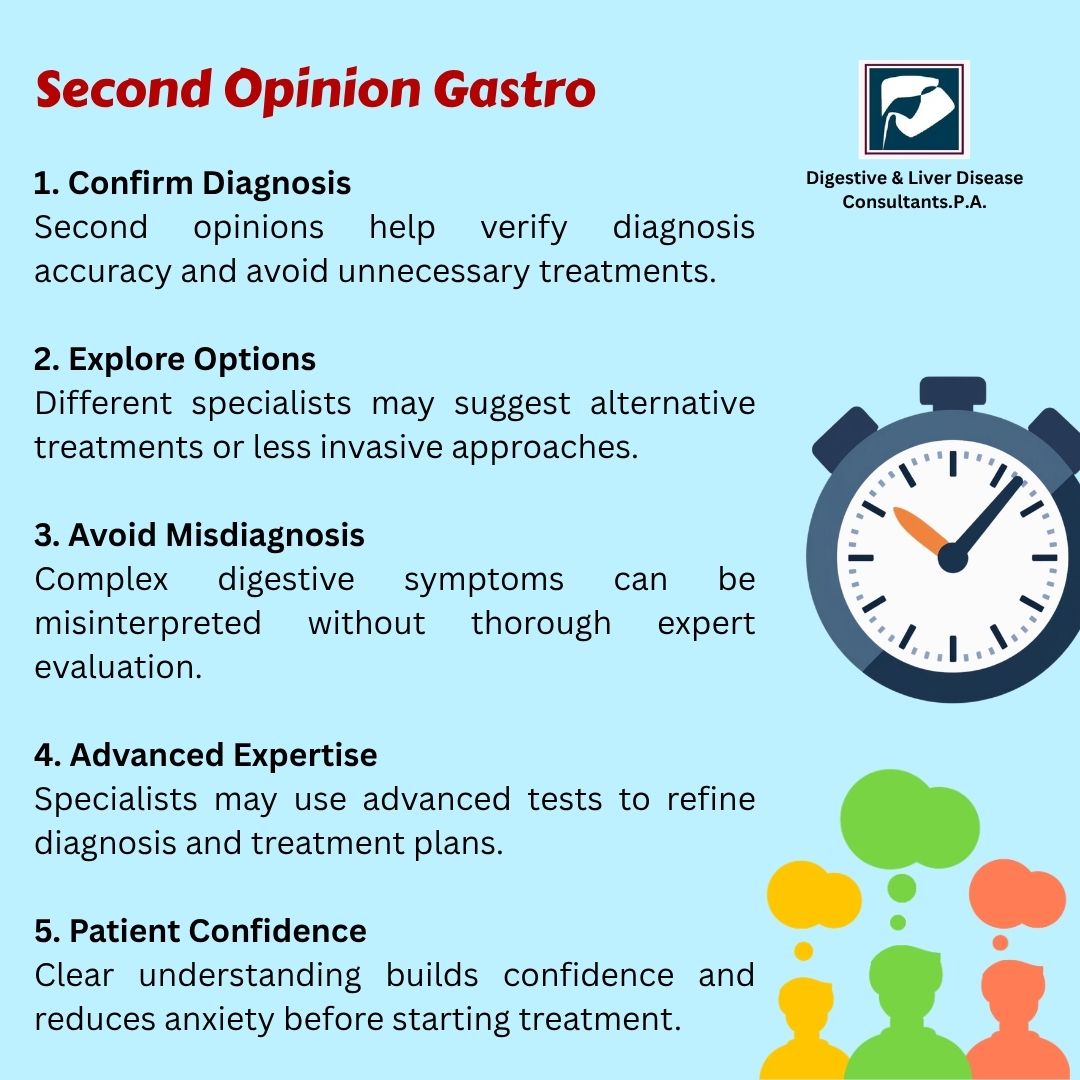
- Confirm or refine your diagnosis
- Explore better treatment options
- Avoid unnecessary risks
- Take control of your health with confidence
When it comes to your digestive system, clarity is everything. And sometimes, a fresh perspective is exactly what you need.
If you’re still unsure about your diagnosis or feel your treatment isn’t delivering results, don’t wait. A second opinion could give you the clarity you need and potentially change your treatment path for the better.
Consult the specialists at Digestive & Liver Disease Consultants, P.A. for a thorough evaluation, expert insights, and a personalized plan tailored to your condition.