Anal fissures are tiny tears in the lining of the anus. Small problem on the surface, but the pain can feel sharp, burning, and hard to ignore. Many people fear they may need surgery, yet most fissures heal on their own with the right care. The key is to understand what causes them, how the body heals, and when professional help is needed.
What Causes Anal Fissures
A fissure often happens when something stretches or irritates the anal canal more than it should. Common triggers include:
- Passing hard stools due to constipation
- Straining too much during bowel movements
- Chronic diarrhea
- Childbirth
- Anal trauma
- Underlying inflammatory conditions such as Crohn’s disease
- Poor blood flow to the anal area
Once the tear happens, bowel movements keep irritating the wound. Pain leads to tightening of the anal muscles, which further reduces blood supply. That slows healing and turns a simple tear into a stubborn, chronic fissure.
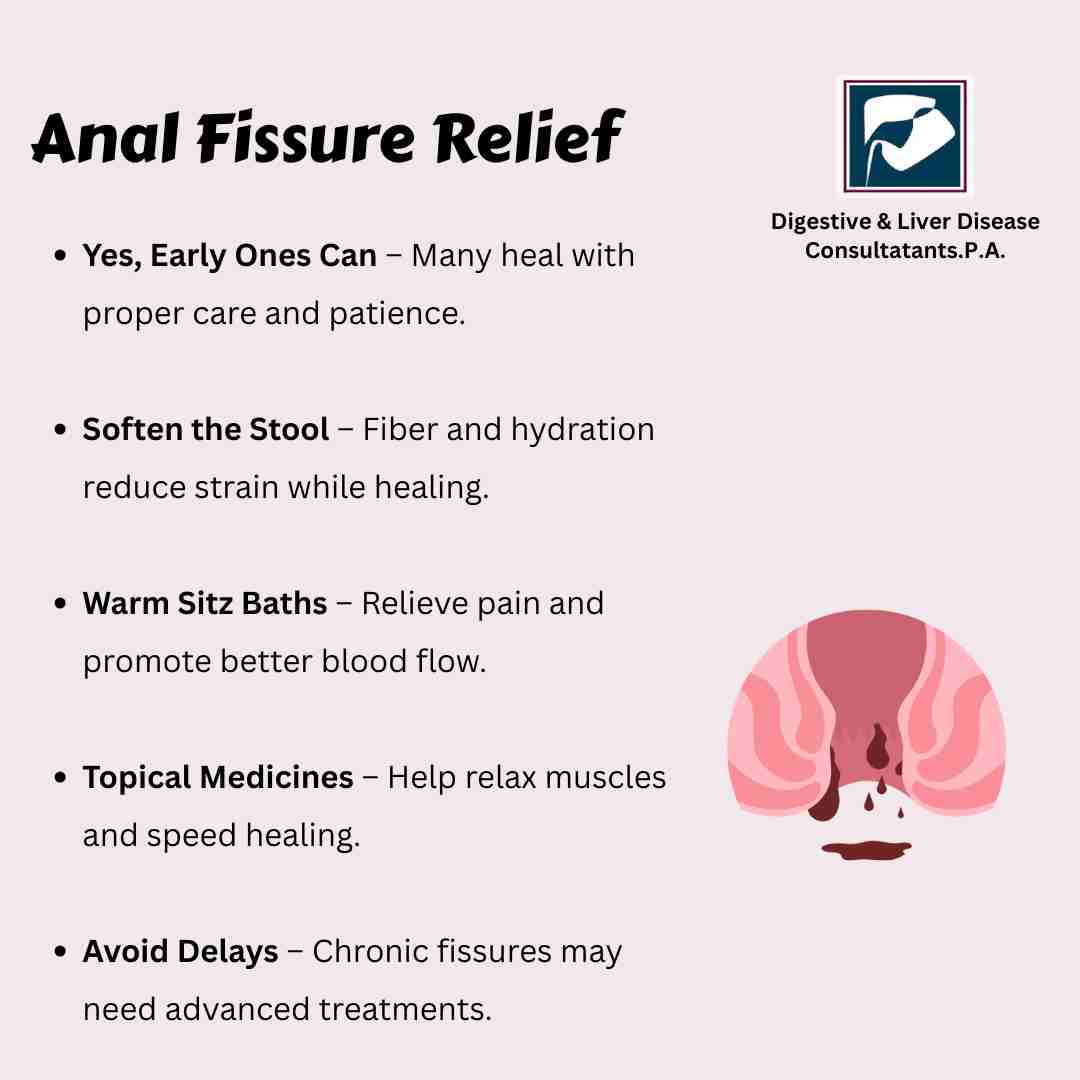
What You Might Feel
Symptoms can include:
- Sharp pain during and after bowel movements
- Bright red bleeding on the tissue or toilet bowl
- Itching or irritation around the anus
- A visible crack in the skin
- Spasm of the anal sphincter
When pain lasts longer than six weeks or comes back frequently, the fissure may be chronic and needs medical guidance.
Can Anal Fissures Heal Naturally?
Yes. Most fresh fissures can heal naturally, especially if you remove the triggers and support gentle bowel movements. Think of it like healing a paper cut: stop picking at the wound, keep it clean, and let blood flow do its job.
Here are proven non-surgical treatments that work for many people.
Lifestyle and Home Care
These simple changes often give the best results early on.
1. Fiber rich diet
Aiming for softer stools takes pressure off the fissure. Include oats, vegetables, fruits, beans, flaxseeds, or fiber supplements like psyllium. This keeps bowel movements regular and painless.
2. Drink more water
Hydration prevents hard stools. Most adults do better with 6 to 8 glasses of water a day unless their doctor gives different advice.
3. Avoid straining
Take your time in the bathroom. Respond to nature’s call without holding it in, and avoid sitting on the toilet for long periods.
4. Warm sitz baths
A warm water bath for the bottom area helps relax the anal muscles and improves blood flow. Ten to fifteen minutes after meals and before bed can help ease pain.
5. Healthy bowel habits
Regular physical activity, proper posture, and not delaying bowel movements support normal digestion and reduce constipation.
Medical Treatments That Avoid Surgery
If home care is not enough, your doctor may recommend medicines to support healing.
1. Stool softeners
Short-term use can prevent hard stools from reopening the fissure.
2. Topical creams
Prescription creams such as nitroglycerin or calcium channel blockers help relax the anal sphincter. Better blood flow means faster healing and less pain.
3. Pain relief ointments
Local anesthetics can take the edge off the discomfort.
4. Botox injections
Botulinum toxin temporarily relaxes the sphincter muscle. This allows the fissure to close and heal naturally. It is a safe procedure and usually works well for chronic fissures.
With proper treatment, many patients avoid surgery entirely.
What If the Fissure Does Not Heal
Sometimes a fissure refuses to heal even after weeks of care. Chronic fissures can develop scar tissue, a skin tag at the end of the tear, or recurring muscle spasms. These signs might mean it is time for more advanced help.
Your gastroenterologist will check for:
- Underlying digestive diseases
- Persistent muscle tightness
- Poor blood supply
- Infection
If a condition like Crohn’s disease or persistent constipation is driving the problem, treating that root cause becomes essential.
When Surgery Becomes Necessary
Surgery is usually a last resort and only for fissures that have stayed painful and unhealed despite proper non-surgical treatments.
The most common procedure is lateral internal sphincterotomy. The surgeon makes a small cut in the internal anal muscle to relieve the spasm. This instantly improves blood flow and gives the fissure the chance to heal.
Most people get long-term relief after surgery, with only rare complications. But again, many never reach this stage because early treatment works well.
How to Prevent Anal Fissures From Returning?
Healing the fissure is one thing. Keeping it from coming back matters just as much.
Here are smart habits to protect yourself:
- Eat enough fiber every day
- Stay well hydrated
- Exercise regularly
- Avoid straining during bowel movements
- Treat constipation or diarrhea early
- Practice good hygiene around the anal area
- Follow medical advice for any chronic digestive condition
Small lifestyle choices go a long way in protecting the delicate skin around the anus.
When to See a Gastroenterologist
Don’t wait if:
- Pain is severe or lasts longer than a few weeks
- Bleeding keeps happening
- You notice discharge or swelling
- Pain continues even when stool becomes soft
- You suspect another condition behind the symptoms
Getting professional guidance early avoids chronic problems and reduces the need for surgery later.
The Bottom Line
Anal fissures are common and painful, but they do not always require surgery. Most heal naturally with a combination of diet improvements, proper hydration, sitz baths, and prescribed ointments. If symptoms persist, treatments like Botox can help relax the muscle and support recovery. Surgery is reserved only for cases where nothing else works.
The sooner you seek care, the easier the path to healing.
Conclusion
Anal fissures might feel like a small tear causing outsized pain, but there is hope. With gentle bowel habits, the right medical support, and time, natural healing is very possible. Listen to your body, protect your digestive wellness, and don’t hesitate to get help if the problem sticks around longer than it should.
If you are struggling with persistent anal pain or bleeding, the specialists at Digestive & Liver Disease Consultants, P.A. are here to help. Our experienced gastroenterologists offer advanced non-surgical treatments and personalized care to relieve your discomfort and restore normal life. Schedule an appointment today and take the first step toward healing.