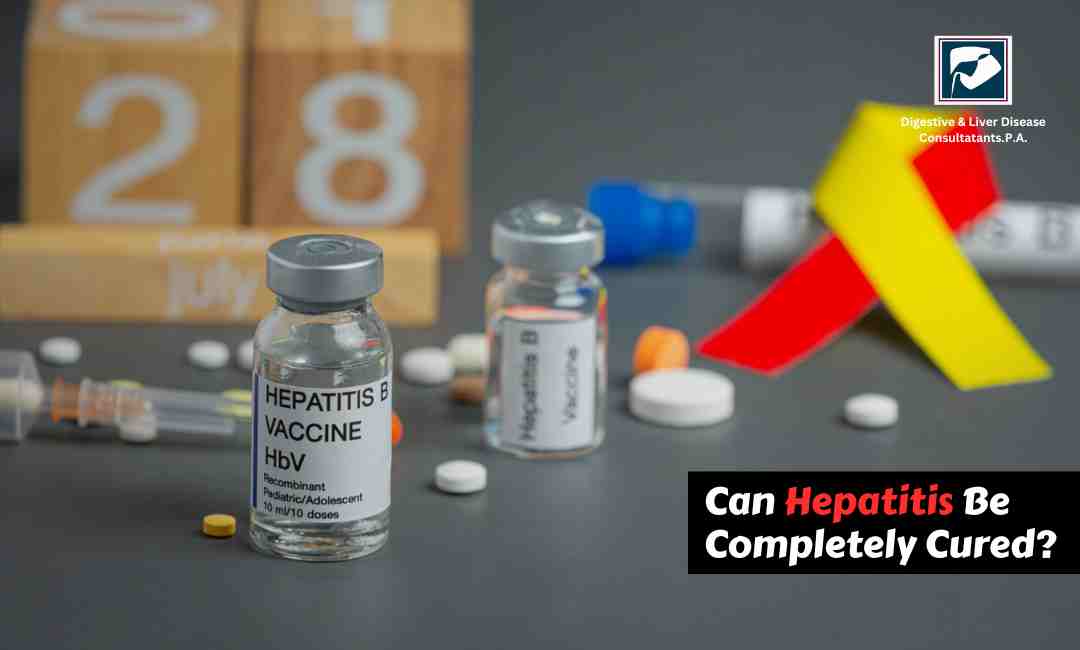
Hepatitis is a broad term that simply means inflammation of the liver. The causes vary, the symptoms vary, and so does the potential for a full cure. Some forms of hepatitis go away quickly. Some can be cured with modern treatments. Others can be controlled but not fully eliminated. Understanding the type of hepatitis you are dealing with is the key to knowing whether a cure is possible.
What Hepatitis Actually Means?
The liver becomes inflamed when it is attacked by viruses, toxins, alcohol, immune disorders, or metabolic problems. This inflammation can be mild or severe. It can last days or last a lifetime. If not managed early, it can lead to fibrosis and cirrhosis.
The most common viral types are:
- Hepatitis A
- Hepatitis B
- Hepatitis C
- Hepatitis D
- Hepatitis E
Each one behaves differently and has a different outcome.

Can Hepatitis A Be Cured
Yes. Hepatitis A is completely curable.
Hepatitis A spreads through contaminated food or water. It does not cause chronic liver disease. Once the infection clears, the body gains lifelong immunity.
Most people recover fully within a few weeks with supportive care such as rest, hydration, and proper nutrition. No long term liver damage remains in the majority of cases.
Can Hepatitis B Be Cured
This one is more complicated.
In adults, acute hepatitis B can be cleared completely by the immune system. Most healthy adults recover and develop lifelong immunity.
However, if the infection becomes chronic, meaning it lasts more than six months, complete cure becomes difficult. Current treatments can:
- Reduce the viral load
- Protect the liver from further damage
- Prevent cirrhosis
- Lower the risk of liver cancer
- Keep the virus under control long term
But they usually do not remove the virus entirely. Researchers are working on new therapies that may offer a cure in the future, but for now chronic hepatitis B is considered manageable rather than curable.
Can Hepatitis C Be Cured
Yes. Modern medicine now offers a true cure for hepatitis C.
Direct acting antiviral medications can eliminate the virus from the body in eight to twelve weeks. Cure rates are over 95 percent. Once the virus is cleared and stays undetectable for 12 weeks after treatment, it is considered a complete cure.
This is one of the biggest breakthroughs in liver health, especially because untreated hepatitis C can lead to cirrhosis and liver cancer.
Can Hepatitis D Be Cured
Hepatitis D is a unique virus that only infects people who already have hepatitis B. It can worsen symptoms and speed up liver damage.
Complete cure is challenging, but newer treatments, including interferon based therapies and targeted antiviral drugs, can suppress the virus and reduce complications. Research is ongoing and outcomes are improving.
Can Hepatitis E Be Cured
Yes. Hepatitis E is usually short lived and clears on its own. It behaves similarly to hepatitis A and rarely becomes chronic. Supportive care is usually enough.
Pregnant women and people with weak immune systems need closer monitoring because the infection can become severe in these cases.
What About Alcoholic Hepatitis?
Alcoholic hepatitis occurs due to heavy or prolonged alcohol use. Early stages can improve or even reverse when alcohol is completely stopped. The liver has a strong ability to repair itself if the damage is not too advanced.
If the condition progresses to cirrhosis, the damage becomes permanent. But early diagnosis and quitting alcohol can lead to significant recovery.
Can Autoimmune Hepatitis Be Cured
Autoimmune hepatitis happens when the immune system mistakenly attacks liver cells. It is not completely curable, but it is highly treatable.
Long term medications can control inflammation, prevent flare ups, and preserve liver function. Many people live normal lives with consistent treatment.
Signs You Should Look Out For
Early hepatitis symptoms may be subtle. Common signs include:
- Fatigue
- Nausea
- Yellowing of eyes or skin
- Dark urine
- Pale stool
- Itching
- Poor appetite
- Right upper abdominal discomfort
Do not wait for symptoms to become severe. Early detection improves outcomes.
How Doctors Diagnose Hepatitis?
Diagnosis usually includes:
- Liver function tests
- Viral markers
- Ultrasound or FibroScan
- Complete medical history
- In some cases, liver biopsy
Identifying the exact type and stage of hepatitis helps create the right treatment plan.
Can Hepatitis Be Prevented
Yes. Preventive care plays a major role.
Here are helpful steps:
- Get vaccinated for hepatitis A and B
- Avoid sharing needles or razors
- Practice safe sex
- Limit alcohol intake
- Avoid unnecessary medications or supplements that strain the liver
- Maintain a healthy weight
- Manage conditions like diabetes and high cholesterol
Prevention protects the liver from long term harm.
Outlook for People With Hepatitis
Here is the practical summary:
- Hepatitis A and E usually clear completely.
- Acute hepatitis B can clear, but chronic hepatitis B is usually lifelong.
- Hepatitis C can now be cured with high success rates.
- Hepatitis D is difficult to cure but can be controlled.
- Alcoholic and autoimmune hepatitis can be managed successfully when treated early.
The key is knowing your type and acting early.
Conclusion
Whether hepatitis can be completely cured depends on the specific type. Some forms resolve naturally. Others have highly effective medical treatments. A few require long term management to prevent complications. With modern medicine, early diagnosis, and the right care, many people recover fully or maintain excellent liver health for life.
If you are concerned about hepatitis symptoms or want expert evaluation, reach out to Digestive and Liver Disease Consultants P. A. Our best gastroenterologists and liver specialists provide advanced testing, accurate diagnosis, and personalized treatment for every form of hepatitis.
Book your appointment today and take control of your liver health with confidence.