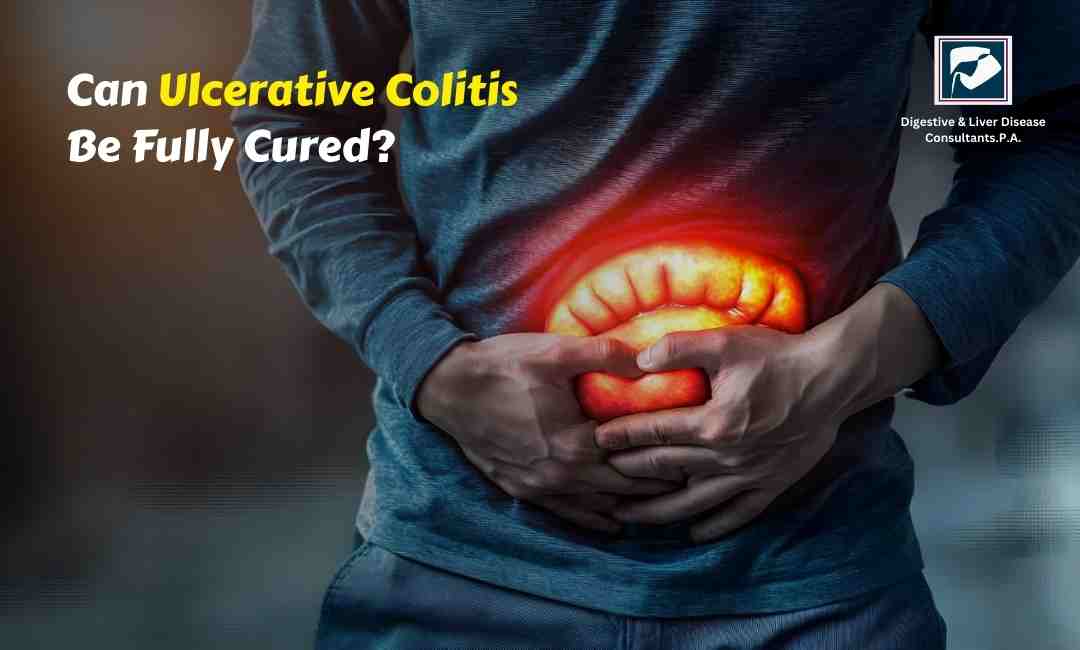
Ulcerative colitis is a chronic digestive condition that affects the large intestine and rectum. For people living with ongoing symptoms like diarrhea, abdominal pain, and rectal bleeding, one question comes up again and again. Can ulcerative colitis be fully cured?
Understanding Ulcerative Colitis
Ulcerative colitis is a type of inflammatory bowel disease. It causes continuous inflammation and ulcer formation in the inner lining of the colon. Unlike temporary digestive problems, this condition tends to follow a relapsing and remitting pattern, meaning symptoms may flare up and then settle down for a period of time.
The inflammation usually begins in the rectum and may extend through part or all of the colon. The extent of involvement often determines how severe the symptoms are.
Common Symptoms
Symptoms vary depending on disease severity and location but commonly include
- Chronic diarrhea
- Blood or mucus in stool
- Abdominal cramping
- Urgency to pass stool
- Fatigue
- Loss of appetite and weight loss
During flare ups, symptoms may significantly interfere with daily life.
Is There a Medical Cure for Ulcerative Colitis?
At present, ulcerative colitis does not have a permanent medical cure. This means medications cannot completely eliminate the disease. However, this does not mean patients must live with constant symptoms.
The main goal of treatment is remission. Remission means the inflammation is under control and symptoms are minimal or absent. Many patients remain in remission for long periods with appropriate treatment and regular follow up.
When Is Ulcerative Colitis Considered Curable?
The only situation where ulcerative colitis can be considered cured is after surgical removal of the colon and rectum. Since the disease affects only the large intestine, removing it eliminates the source of inflammation.
Surgery is usually considered when
- Symptoms are severe and do not respond to medication
- Complications such as heavy bleeding occur
- There is a high risk of colon cancer
- Quality of life is significantly affected
Surgery is a major decision and requires detailed discussion with a specialist about risks, benefits, and life after surgery.

How Ulcerative Colitis Is Managed Long Term?
Most patients manage ulcerative colitis through medical and lifestyle approaches rather than surgery.
Medication Based Control
Medications help reduce inflammation and maintain remission. Treatment plans are tailored based on disease severity, response to therapy, and overall health.
Diet and Nutrition
While food does not cause ulcerative colitis, certain foods can worsen symptoms during flare ups. Many patients benefit from
- Identifying individual trigger foods
- Eating smaller, frequent meals
- Avoiding foods that irritate the gut during active disease
- Maintaining adequate hydration
Dietary needs often change between flare ups and remission.
Stress and Lifestyle Factors
Stress does not cause ulcerative colitis, but it can trigger flare ups. Managing stress through healthy routines, adequate sleep, and physical activity supports better disease control.
Can Ulcerative Colitis Go Into Long Term Remission?
Yes. Many patients experience long periods where symptoms are well controlled or absent. Long term remission allows individuals to work, travel, and live normally.
Staying consistent with treatment and attending regular checkups greatly improves the chances of sustained remission.
Why Ongoing Monitoring Is Important?
Ulcerative colitis increases the risk of complications if left uncontrolled. Regular monitoring helps
- Track disease activity
- Adjust treatment when needed
- Screen for colon cancer
- Detect complications early
Colonoscopy is often recommended at intervals depending on disease duration and extent.
What Happens If Ulcerative Colitis Is Left Untreated?
Untreated or poorly controlled ulcerative colitis can lead to
- Severe bleeding and anemia
- Colon damage
- Increased cancer risk
- Hospitalization
- Reduced quality of life
Early diagnosis and consistent care help prevent these outcomes.
Living Well With Ulcerative Colitis
Although ulcerative colitis is a lifelong condition for most patients, many people lead full, productive lives with proper management.
Key habits include
- Following prescribed treatment plans
- Recognizing early signs of flare ups
- Maintaining regular follow up visits
- Adopting supportive dietary habits
- Managing stress effectively
Education and partnership with a specialist make a significant difference.
Why Choose Digestive & Liver Disease Consultants, P.A.?
Ulcerative colitis requires careful evaluation, long term planning, and individualized care. Digestive & Liver Disease Consultants, P.A. specializes in diagnosing and managing inflammatory bowel diseases with a patient centered approach.
What patients can expect
- Board certified gastroenterologists
- Advanced diagnostic and monitoring tools
- Personalized treatment strategies
- Focus on remission and long term wellness
- Clear communication and compassionate care
Our goal is not just symptom control, but helping patients regain confidence and stability in their daily lives.
Conclusion
Ulcerative colitis cannot be fully cured with medication, but it can be effectively controlled. Many patients achieve long term remission and live active lives with the right treatment and follow up. Surgery remains an option for select cases and can eliminate the disease, but it is not necessary for most patients.
If you have ulcerative colitis or are experiencing symptoms such as persistent diarrhea or rectal bleeding, consult our top gastro specialist at Digestive & Liver Disease Consultants, P.A. Early evaluation and expert guidance can help you achieve better control and protect your long term digestive health.