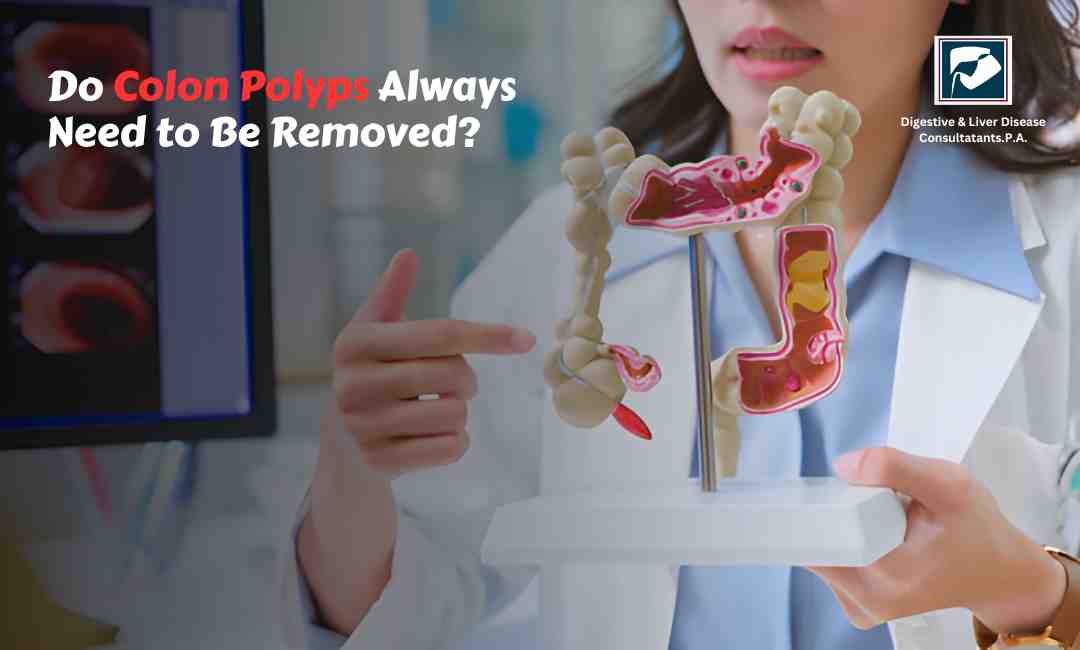
Colon polyps are extremely common, especially in people over forty. Most of the time, they cause no symptoms and are discovered during a routine colonoscopy. The big question many people ask is whether every polyp needs to be removed.
Not all polyps are dangerous. But doctors remove them because it is the safest and most effective way to prevent colorectal cancer. Once you understand how polyps behave and how they develop, the logic behind removal becomes crystal clear.
What Are Colon Polyps
A colon polyp is a small growth on the inner lining of the colon or rectum. Some look like tiny bumps. Others resemble mushrooms sitting on a stalk. They form when cells in the colon divide more than they should.
Most polyps are harmless at first. But certain types have the potential to turn into cancer if left alone.
Types of Polyps and Why They Matter
Different types of polyps carry different levels of risk. Knowing the type helps determine whether removal is urgent, optional, or absolutely necessary.
1. Hyperplastic polyps
These are usually small and harmless. They rarely turn into cancer. Many people have them, especially in the lower colon.
2. Adenomas
These are the ones doctors watch closely. Adenomas can eventually become cancer. Not all do, but many colorectal cancers start as adenomas. This is why adenomas are almost always removed.
3. Sessile serrated polyps
These can look harmless but have a higher chance of turning cancerous, especially when large. They need removal and close follow up.
4. Inflammatory polyps
Common in people with inflammatory bowel disease. They are typically not cancerous but can signal a higher risk due to chronic inflammation.
So Do All Polyps Need to Be Removed
Here is the straightforward answer. Most polyps should be removed because:
- It is impossible to know whether a polyp is risky without examining it under a microscope
- Even small polyps can become cancerous over time
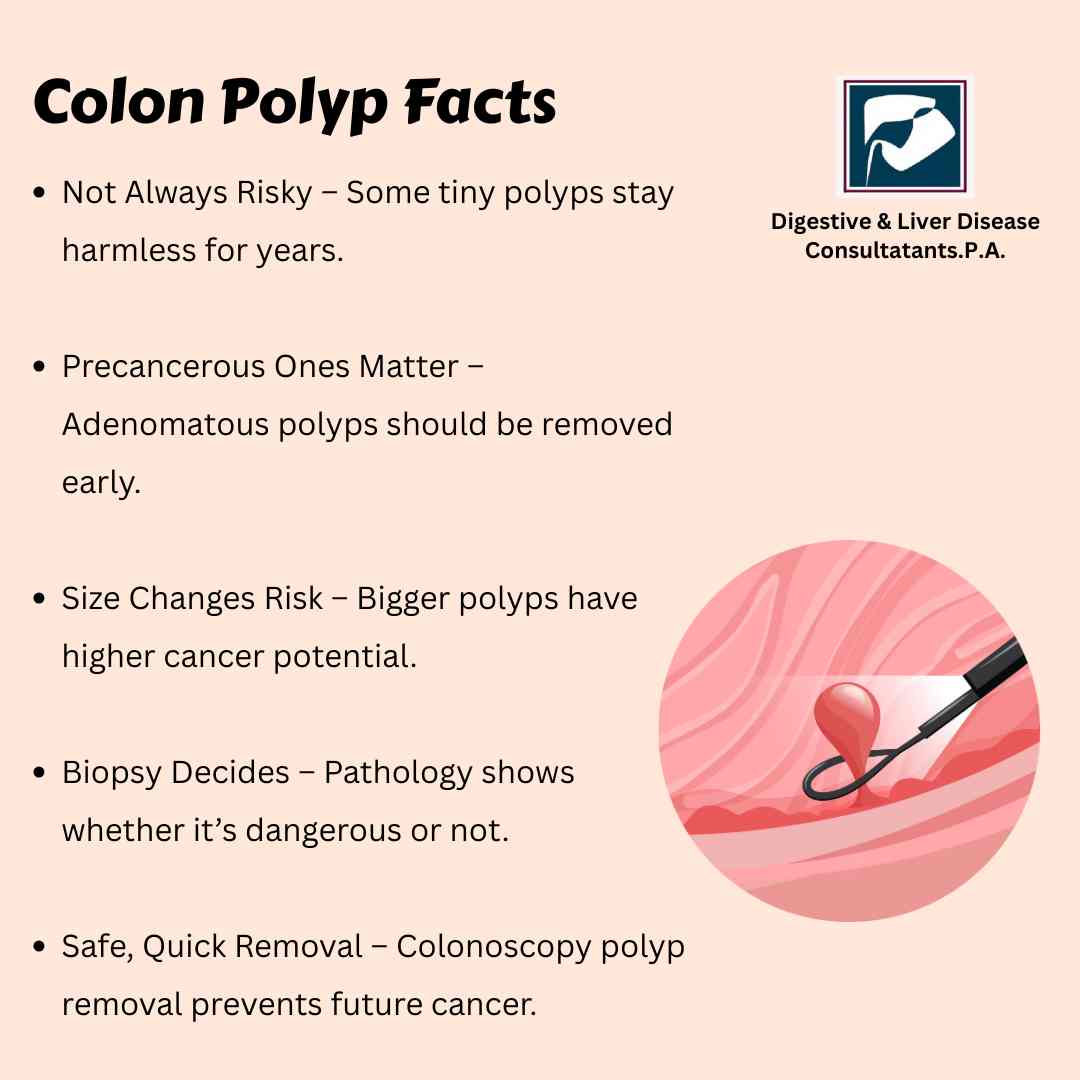
- Removal during colonoscopy is quick, safe, and prevents future disease
- Polyps do not shrink or disappear on their own
There are rare situations where tiny hyperplastic polyps may simply be monitored, but the final decision always depends on size, location, number, and appearance during the colonoscopy.
Why Doctors Prefer Removal Even for Small Polyps?
Think of polyp removal as preventive maintenance.
What this really means is that removing a small polyp today can stop a major problem ten years from now. Colorectal cancer usually starts as a polyp and grows slowly. By removing polyps early, doctors essentially break the chain before cancer can form.
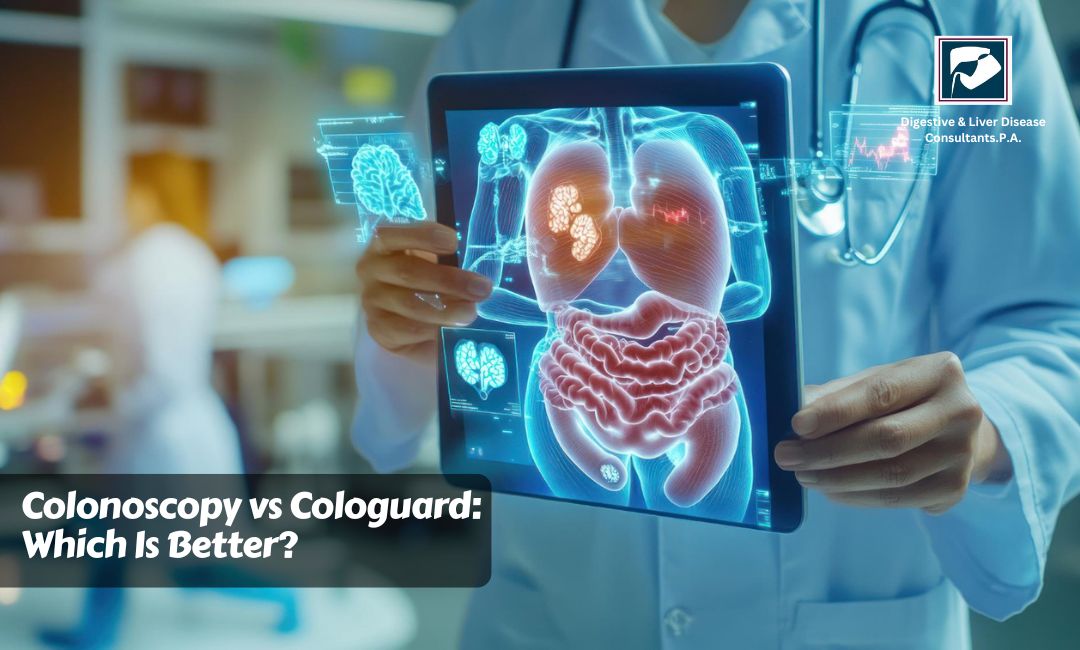
This is why colonoscopy is one of the most powerful cancer prevention tools in medicine.
How Polyps Are Removed?
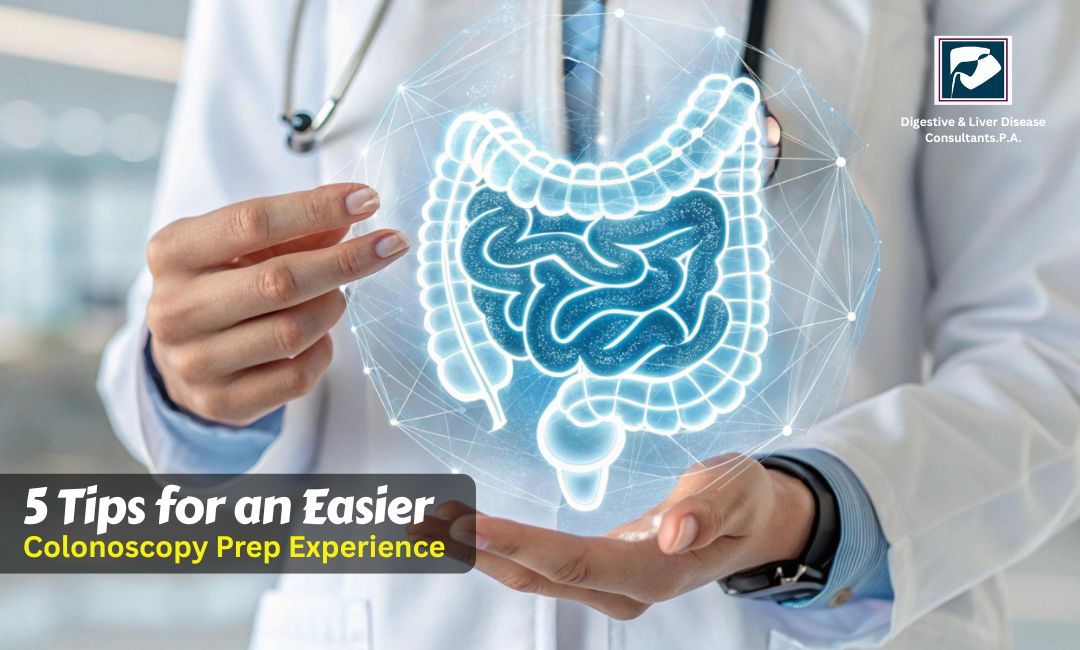
Polyp removal is called polypectomy. It is performed during colonoscopy, so you do not need a separate procedure.
The methods include:
- Snaring the polyp with a wire loop
- Lifting larger polyps with fluid before cutting
- Using heat to gently cauterize the tissue
- Removing flat or complex polyps in pieces
You will not feel pain during removal because the colon has no pain receptors. Most people go home the same day.
When Polyps Might Be Watched Instead of Removed?
There are very few exceptions. Observation instead of removal may be considered when:
- The polyp is extremely small
- It clearly appears hyperplastic
- It is located in the rectum or sigmoid colon
- There are multiple tiny polyps with very low risk features
Even then, the final decision is based on expert judgment. Most specialists still prefer removal to avoid uncertainty.
What Happens After Polyps Are Removed?
The polyp is sent to a lab for detailed analysis. The pathology report tells you:
- The type of polyp
- Whether it had precancerous cells
- Whether the edges were completely removed
- Whether you need earlier follow up
Follow up colonoscopy depends on the findings.
General follow up guidelines include:
- 5 to 10 years for low risk polyps
- 3 years for high risk adenomas
- 1 year for multiple polyps or large polyps
- Shorter intervals for serrated polyps
Your doctor will give you a schedule tailored to your risk.
Do Polyps Grow Back
The same polyp usually does not regrow. But new polyps can form over time. That is why surveillance is essential. People who develop polyps once are more likely to develop them again.
Symptoms You Should Watch For
Polyps usually cause no symptoms, but you should seek medical evaluation if you notice:
- Rectal bleeding
- Blood in stool
- Change in bowel habits
- Unexplained abdominal discomfort
- Iron deficiency anemia
Even then, many people have no symptoms at all, which is exactly why screening is so important.
Who Is at Higher Risk for Polyps?
You are more likely to develop colon polyps if you have:
- Family history of colorectal cancer
- Obesity
- Diabetes
- High fat diet
- Smoking history
- Heavy alcohol use
- Sedentary lifestyle
- Personal history of polyps
- Inflammatory bowel disease
If you fall into any of these groups, early screening is essential.
When to Consider a Colonoscopy
You should get a colonoscopy if:
- You are age 45 or older
- You have bleeding or unexplained digestive symptoms
- You have a family history of colon polyps or cancer
- You previously had polyps removed
- You have chronic abdominal pain or anemia
Early screening saves lives.
Conclusion
Do colon polyps always need to be removed? In most cases, yes. Removing polyps is the single most effective way to prevent colorectal cancer. While some harmless polyps may technically not require removal, the safest approach is to remove them and confirm their nature through pathology. A simple colonoscopy today can protect you for years to come.
If you need expert evaluation for colon polyps or want guidance on colon cancer screening, reach out to Digestive and Liver Disease Consultants P. A. Our best gastroenterologists and endoscopy specialists offer advanced colonoscopy care, accurate diagnosis, and personalized prevention plans.
Book your appointment today and take charge of your digestive health with confidence.