Probiotics have become one of the most talked about supplements in digestive health. From yogurts to capsules, they are often marketed as a quick fix for bloating, constipation, acidity, and poor digestion. But here’s the thing. Not everything labeled as a probiotic automatically improves gut health.
What Are Probiotics?
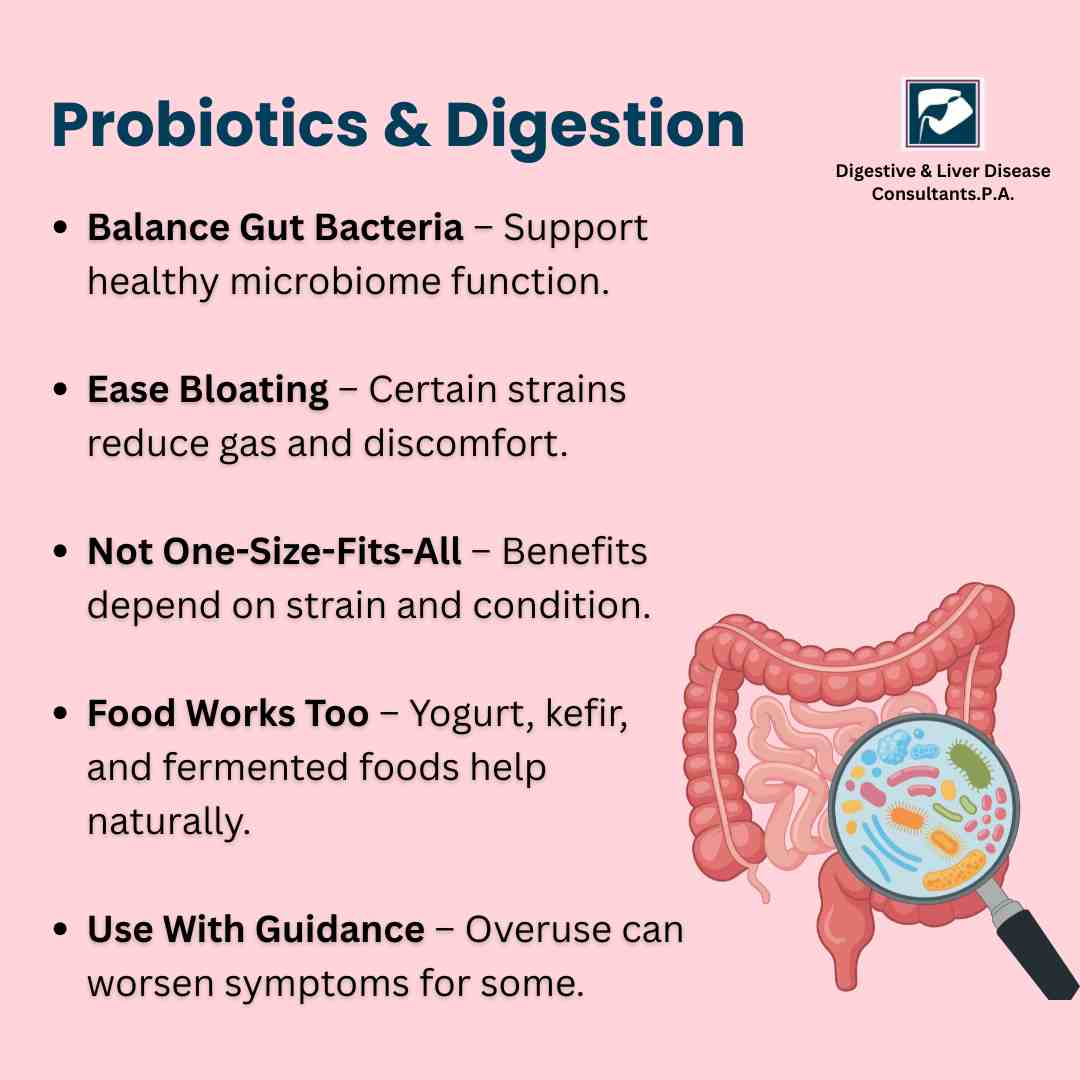
Probiotics are live microorganisms, mainly beneficial bacteria, that support the natural balance of bacteria in your digestive system. Your gut already contains trillions of bacteria, both good and bad. When this balance is disturbed, digestive problems begin.
Probiotics help restore that balance by increasing helpful bacteria that assist with digestion, nutrient absorption, and immune function.
How Probiotics Support Digestion?
A healthy gut relies on good bacteria to break down food efficiently. When probiotics work the way they should, they support digestion in several ways.
They improve food breakdown
Probiotics help digest complex carbohydrates, fiber, and lactose that your body cannot process on its own.
They support nutrient absorption
Healthy gut bacteria help absorb vitamins such as B vitamins and vitamin K, along with minerals like calcium and magnesium.
They regulate bowel movements
By improving gut motility, probiotics can help reduce constipation and support regular stools.
They reduce gut inflammation
Balanced gut bacteria calm irritation in the intestinal lining, which can ease bloating and abdominal discomfort.
If you are struggling with ongoing digestive issues or unsure whether probiotics are right for you, consult the experts at Digestive & Liver Disease Consultants, P. A. Our best gastroenterologists offer personalized evaluation and evidence based treatment for all digestive and liver conditions.
Digestive Problems Where Probiotics May Help
Probiotics are not a cure all, but research shows they may help with certain digestive issues when used correctly.
Bloating and gas
Probiotics can reduce gas buildup by improving how food is fermented in the gut.
Diarrhea
They are especially helpful in antibiotic associated diarrhea by restoring lost good bacteria.
Constipation
Some probiotic strains improve stool frequency and softness.
Irritable bowel syndrome
Probiotics may help reduce bloating, pain, and irregular bowel habits in some IBS patients.
Lactose intolerance
Certain probiotics help digest lactose and reduce symptoms like gas and diarrhea after dairy intake.
When Probiotics May Not Work?
This is where many people get disappointed. Probiotics do not help everyone in the same way.
They may not work if:
- The wrong strain is used
- The dose is too low
- The product quality is poor
- There is an underlying digestive disease
For conditions like inflammatory bowel disease, chronic pancreatitis, liver disease, or persistent gut infections, probiotics alone are not enough. Medical evaluation is essential.
Natural Probiotic Foods vs Supplements
Both food based and supplement probiotics can support digestion, but they work best in different situations.
- Natural probiotic foods
- Yogurt with live cultures
- Buttermilk
- Fermented foods like idli batter and pickled vegetables
These are ideal for maintaining gut health and mild digestive discomfort.
Probiotic supplements
Supplements may be useful after antibiotic use or during persistent digestive symptoms. However, not all supplements are the same. Different strains target different problems.
This is why taking probiotics without guidance often leads to mixed results.
How Long Do Probiotics Take to Work?
Probiotics do not act overnight. Most people notice changes within:
- One to two weeks for bloating or gas
- Two to four weeks for bowel regularity
- Longer for chronic digestive conditions
Consistency matters. Stopping too early can limit benefits.
Who Should Be Careful With Probiotics?
While probiotics are generally safe, they are not suitable for everyone.
Caution is needed if you:
- Have a weakened immune system
- Are recovering from major surgery
- Have severe liver disease
- Have active gut infections
In such cases, probiotics should only be taken under a gastroenterologist’s supervision.
Tips to Make Probiotics Work Better
If you want probiotics to actually improve digestion, keep these points in mind.
- Choose the right strain for your symptoms
- Take them consistently
- Combine probiotics with fiber rich foods
- Avoid excessive sugar and processed foods
- Do not rely on probiotics alone for serious symptoms
A healthy gut environment allows probiotics to survive and function properly.
Signs You May Need Professional Guidance
Do not self treat if you experience:
- Persistent bloating or abdominal pain
- Chronic constipation or diarrhea
- Blood in stools
- Unexplained weight loss
- Long standing acidity
These symptoms may indicate conditions that require medical evaluation beyond probiotics.
Conclusion
So do probiotics actually improve digestion? Yes, they can, when used correctly and for the right reasons. They support gut balance, improve digestion, and help with certain digestive issues. But they are not magic pills.
Probiotics work best as part of a larger gut health plan that includes proper diet, hydration, stress management, and medical care when needed. Understanding your gut condition is far more important than blindly following trends.
If you are struggling with ongoing digestive issues or unsure whether probiotics are right for you, consult the experts at Digestive & Liver Disease Consultants, P. A. Our best gastroenterologists offer personalized evaluation and evidence based treatment for all digestive and liver conditions.
Schedule your appointment today and get the right guidance for better digestion and long term gut health.