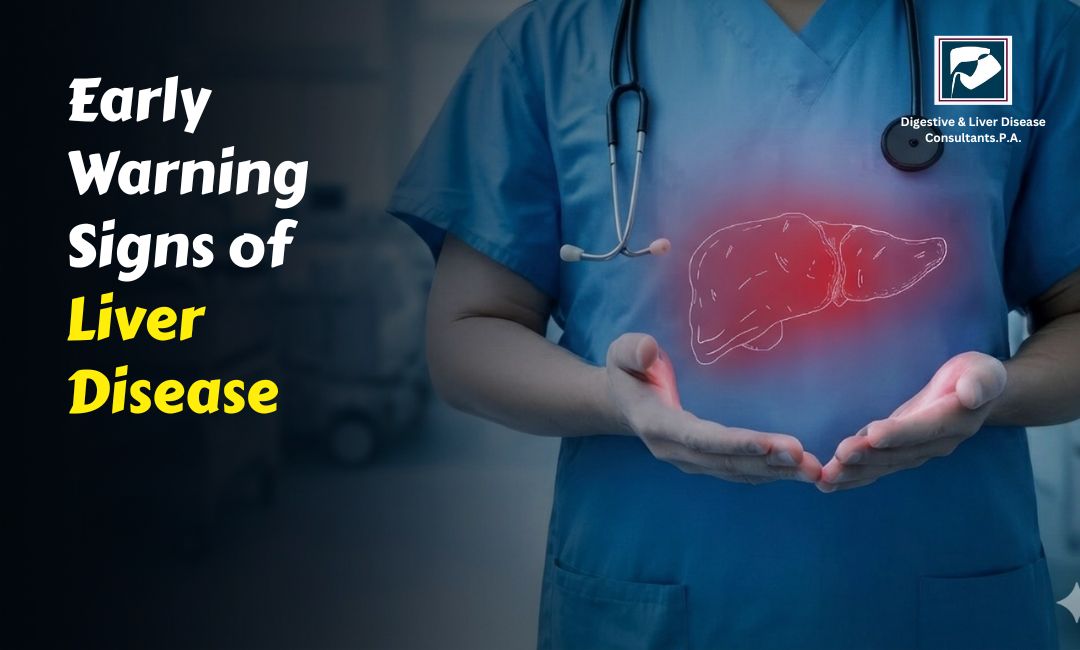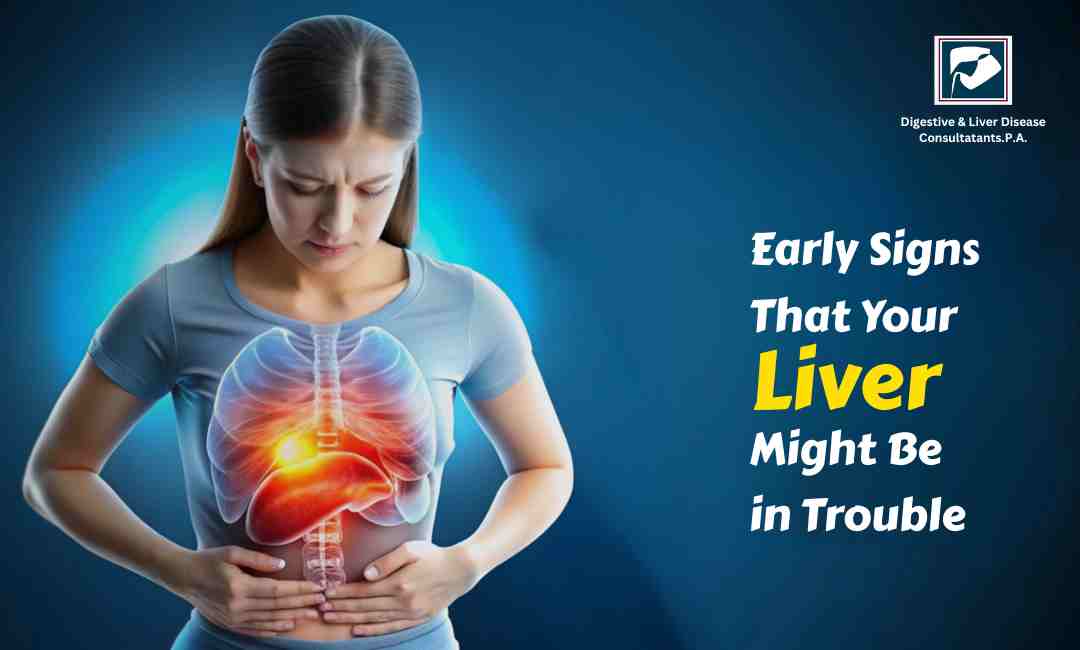
Your liver works quietly in the background every single day. It filters toxins, supports digestion, balances hormones, stores nutrients, and keeps your metabolism steady. With so many responsibilities, even a small amount of liver damage can affect the entire body. The challenge is that early liver problems rarely cause dramatic symptoms. They start slowly, subtly, and often feel easy to ignore.
Why Early Detection Matters?
Liver diseases such as fatty liver, hepatitis, alcoholic liver disease, and cirrhosis do not develop overnight. They progress over years. The earlier you catch the problem, the higher the chances of reversing the damage through lifestyle changes, medical treatment, or both.
Ignoring symptoms can allow silent inflammation to grow into long term scarring. Once the liver becomes severely scarred, recovering full function becomes harder. That is why noticing small signals early can make all the difference.
Early Signs Your Liver Needs Attention
Here are the most common early symptoms people experience when the liver begins to struggle.
1. Persistent fatigue
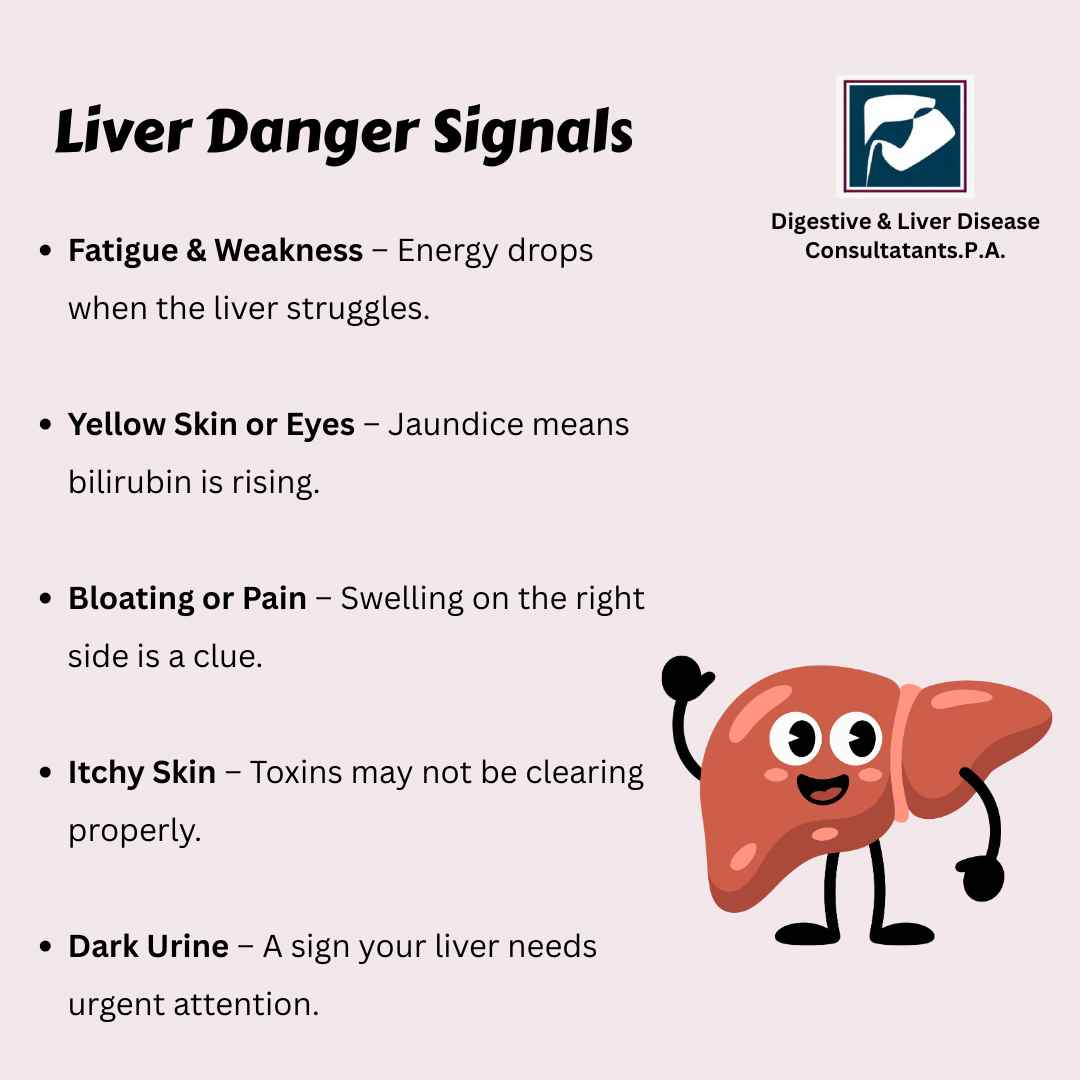
This is not the tired feeling after a busy day. It is deeper. You may feel drained even after sleeping well. When the liver is inflamed or overloaded, the body works harder to maintain balance, leading to exhaustion.
2. Loss of appetite or unexplained nausea
The liver helps process nutrients and regulate digestion. When it is irritated or swollen, people often notice nausea, reduced appetite, or a general aversion to food.
3. Discomfort on the right side of the abdomen
You might feel a dull ache or heaviness under the right rib cage. It is usually not sharp pain, but a sense that something is not quite right.
4. Changes in urine or stool color
Dark urine and pale stools can signal issues in bile production or flow. Bile is produced by the liver and gives stool its normal brown color. When bile is blocked or reduced, color changes are often the first clue.
5. Itchy skin without a clear cause
This happens when bile salts build up under the skin due to reduced liver function. The itch can be constant and out of proportion to any visible rash.
6. Swelling in the legs or abdomen
Early fluid retention can show up as puffiness in your ankles or tightness around your waist. It suggests that the liver is not regulating fluids and proteins properly.
7. Easy bruising
The liver helps produce proteins involved in clotting. When its function decreases, even a small bump can leave a visible mark.
8. Unexplained weight changes
Sudden weight loss may happen because the liver is not processing nutrients. On the other hand, weight gain and abdominal bloating may be linked to fluid retention.
9. Digestive discomfort
Gas, bloating, and slow digestion can appear early. The liver and digestive system are closely connected, so even minor liver irritation may change how your gut feels.
10. Mild yellowing of the eyes or skin
This can be a sign of early jaundice. At this stage it may be faint, often noticed only in natural light. It means bilirubin is building up because the liver is not clearing it efficiently.
What Causes Early Liver Damage?
Several everyday habits and medical conditions can stress the liver. Here are the common triggers.
- Alcohol use
- Obesity and insulin resistance
- Viral infections such as hepatitis B or C
- High cholesterol
- Certain medications
- Exposure to toxins
- Genetic liver disorders
- Autoimmune diseases
- Rapid weight loss
- Long term unhealthy diet
Understanding your personal risk helps you catch problems early.
When These Symptoms Matter More?
Many early liver symptoms seem basic. Fatigue, nausea, or indigestion can come from dozens of everyday issues. What makes them important is their persistence.
You should pay attention when:
- Symptoms last longer than a few weeks
- They keep coming back
- They appear together
- You have known risk factors such as alcohol use, obesity, or diabetes
- Someone in your family has liver disease
Your body often whispers before it shouts. Catch the whisper.
How Doctors Diagnose Early Liver Problems?
A gastroenterologist or liver specialist uses a combination of tests to understand what is happening.
- Liver function blood tests
- Ultrasound imaging
- FibroScan to detect early scarring
- Tests for hepatitis viruses
- Cholesterol and glucose checks
- Review of alcohol use and medications
Early stage liver conditions are often reversible if caught at this point.
Can Early Liver Damage Be Reversed
In most cases, yes. The liver is unique because it can regenerate. With the right changes and timely treatment, fatty liver, mild inflammation, and some early scarring can improve significantly.
Steps that help healing include:
- Maintaining a healthy weight
- Following a balanced diet rich in vegetables, lean protein, and whole grains
- Reducing sugar and processed foods
- Avoiding alcohol
- Staying active
- Managing diabetes or cholesterol
- Taking prescribed medications consistently
Your doctor might also suggest supplements or vitamins if you have deficiencies, but this should be guided by a specialist.
When to Seek Medical Help Immediately
Some signs suggest more serious trouble and need urgent care.
- Sharp or worsening abdominal pain
- Vomiting blood
- Black or tar like stools
- Sudden severe swelling of the abdomen
- Confusion or unusual sleepiness
- Strong yellowing of skin or eyes
- Fever with severe fatigue
These symptoms can indicate advanced liver disease or complications.
Early liver problems are silent but not invisible. Persistent fatigue, digestive discomfort, mild jaundice, or changes in appetite may seem small, yet they can be the body’s first warning. The liver is resilient, but it needs support. When you respond early, you give yourself the best chance of protecting your long term health.
Conclusion
Your liver works around the clock, so it deserves attention long before pain or severe symptoms appear. Learning these early warning signs helps you take charge of your health. If you notice persistent changes or have risk factors, a simple checkup can provide clarity and prevent complications.
If you are noticing early signs that your liver might be struggling or you simply want to stay ahead of potential risks, reach out to Digestive & Liver Disease Consultants P. A. Our best gastroenterologists and liver specialists provide advanced diagnosis, personalized treatment, and long term care for all digestive and liver conditions.