Digestive disorders affect millions of people worldwide, ranging from acid reflux and IBS to inflammatory bowel disease and liver conditions. Until recently, diagnosing and managing these conditions often involved delayed appointments, invasive testing, and trial and error treatment plans. That is changing fast.
Healthcare technology is transforming how digestive diseases are diagnosed, monitored, and treated. From digital tools that support patients at home to advanced procedures performed inside smart hospitals, digestive disease care technology is becoming more precise, accessible, and patient centered.
The Rise of Digital Health in Gastroenterology
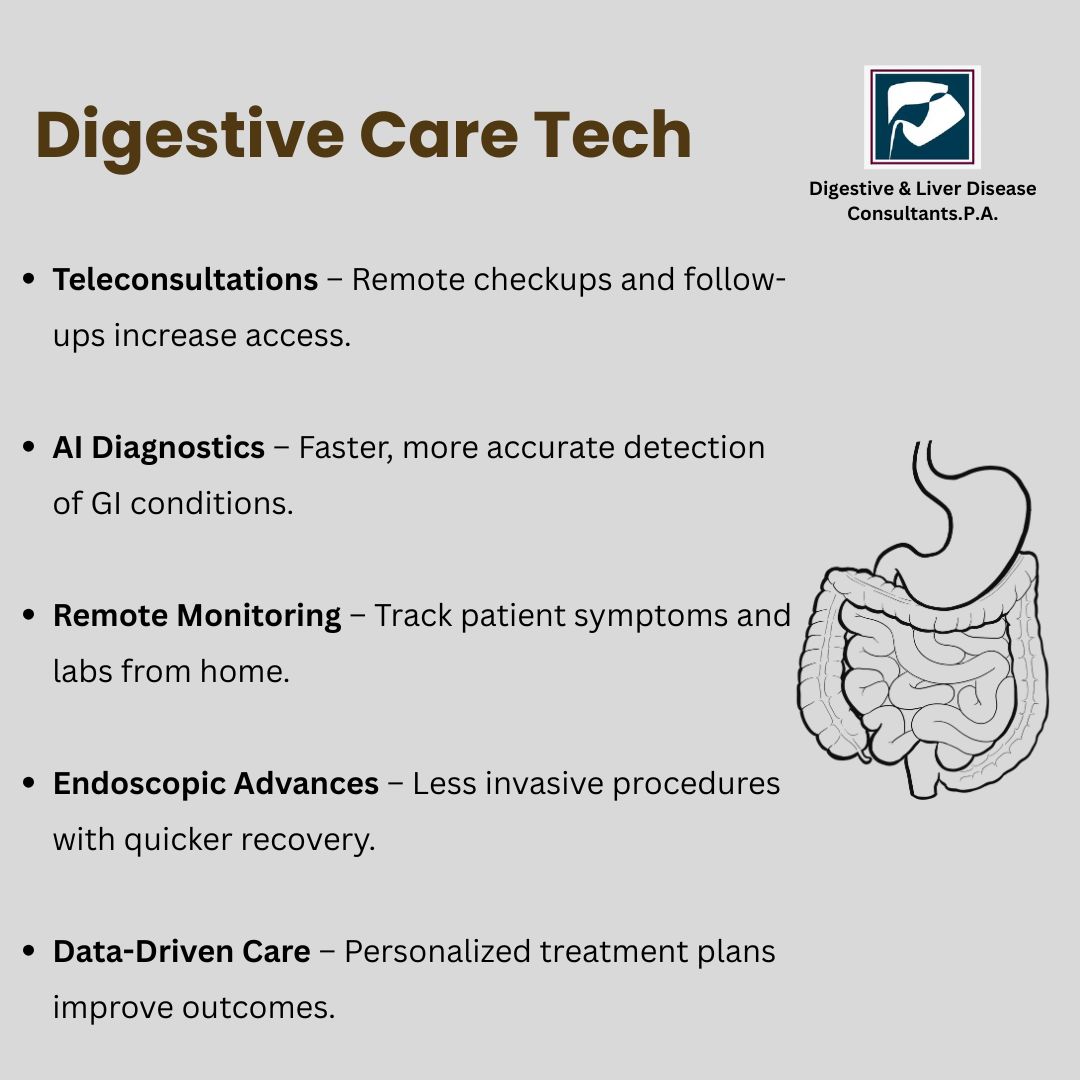
Digital health gastroenterology focuses on using technology to improve communication, diagnosis, and long term care. Instead of relying only on in person visits, patients now have access to gastro health digital tools that support earlier intervention and ongoing monitoring.
These tools help doctors understand symptoms more accurately while giving patients greater involvement in their own care. This shift is especially valuable for chronic digestive conditions that require long term management.
Telemedicine for Digestive Care
Telemedicine for digestive care has changed how patients access specialists. Virtual consultations allow patients to discuss symptoms, review test results, and adjust treatment plans without unnecessary travel or delays.
This approach is especially helpful for
- Patients with chronic digestive diseases
- Follow up appointments after procedures
- Medication monitoring
- Diet and lifestyle counseling
Telemedicine does not replace procedures like endoscopy, but it makes digestive care more continuous and convenient.
AI in Gastroenterology and Digestive Diagnostics
One of the most impactful developments is AI in gastroenterology. Artificial intelligence is now being used to assist doctors in identifying abnormalities that may be missed by the human eye.
AI digestive diagnostics help by
- Detecting early signs of colon polyps
- Improving accuracy during colonoscopy
- Analyzing imaging and pathology results
- Supporting faster, more confident diagnoses
Rather than replacing doctors, AI acts as a powerful support tool that enhances decision making and improves patient safety.
Advancements in Endoscopy Technology
Endoscopy technology has evolved significantly over the past decade. Modern endoscopic systems offer high definition imaging, enhanced visualization, and improved precision.
These advances allow
- Earlier detection of digestive cancers
- More accurate diagnosis of inflammatory conditions
- Minimally invasive treatment during the same procedure
- Faster recovery times for patients
Advanced endoscopy is a cornerstone of modern digestive disease care technology and continues to raise the standard of care.
Remote Patient Monitoring for Gut Health
Remote patient monitoring gut systems are changing how doctors track symptoms between visits. Using digital platforms, patients can report symptoms, bowel patterns, diet responses, and medication effects in real time.
This allows gastroenterologists to
- Identify flare ups early
- Adjust treatment before symptoms worsen
- Reduce emergency visits and hospitalizations
- Improve long term outcomes
Remote monitoring is particularly useful for IBS, inflammatory bowel disease, and liver conditions.
Precision Medicine in Digestive Health
Precision medicine digestive health focuses on tailoring treatment to each individual rather than using a one size fits all approach. Technology plays a key role in this shift.
By combining
- Genetic data
- Lifestyle factors
- Disease patterns
- Treatment response history
doctors can design personalized care plans that improve effectiveness and reduce side effects. This approach is shaping the future of advanced digestive treatments.
Smart Hospitals and Gastroenterology Care
Smart hospital gastroenterology systems integrate technology across diagnostics, treatment, and patient experience. These hospitals use connected systems that streamline care and reduce delays.
Key benefits include
- Faster test results
- Coordinated care between specialists
- Enhanced patient safety
- Efficient procedure scheduling
- Improved follow up and data tracking
Smart hospital environments support better outcomes while improving patient comfort and confidence.
Tech in GI Care and Patient Empowerment
Tech in GI care is not just about machines and software. It is also about empowering patients with better information and tools.
Digital platforms now help patients
- Track symptoms and triggers
- Understand test results
- Follow dietary guidance
- Communicate concerns quickly
This level of engagement leads to better adherence to treatment plans and improved quality of life.
Healthcare Innovation in Digestive Health
Healthcare innovation digestive health continues to focus on early detection, minimally invasive treatment, and proactive care. Technology is helping shift digestive care from reactive treatment to preventive management.
Emerging healthcare technology trends include
- AI supported screening programs
- Predictive analytics for disease progression
- Integrated electronic health systems
- Smarter wearable health devices
These trends are reshaping how digestive diseases are managed over the long term.
Benefits for Patients
The impact of healthcare technology on digestive disease care is meaningful for patients.
Patients benefit from
- Earlier diagnosis
- More accurate treatment
- Fewer invasive procedures
- Better symptom control
- Greater access to specialists
Technology does not replace human care. It strengthens it.
Why Choose Digestive & Liver Disease Consultants, P.A.?
At Digestive & Liver Disease Consultants, P.A., modern technology is combined with clinical expertise to deliver high quality, patient focused care. The practice embraces digestive disease technology while keeping decisions grounded in medical experience and individual patient needs.
Patients benefit from
- Use of advanced diagnostic tools
- Expertise in AI supported and endoscopic technologies
- Personalized treatment planning
- Integration of digital health gastroenterology solutions
- Commitment to innovation without compromising care quality
This balanced approach ensures patients receive advanced care with a human touch.
Conclusion
Healthcare technology is redefining digestive disease care. From telemedicine for digestive care to AI digestive diagnostics and precision medicine digestive health, innovation is improving accuracy, access, and outcomes.
As technology continues to evolve, patients can expect more personalized, proactive, and effective digestive care. When combined with experienced specialists, these advancements lead to better health and greater confidence in treatment decisions.
If you are experiencing digestive symptoms or managing a chronic GI condition, consult our top gastro specialist at Digestive & Liver Disease Consultants, P.A. Discover how advanced digestive treatments and modern healthcare technology can support your long term digestive health. Schedule your appointment today.