Constipation is a common digestive complaint. Many people experience it occasionally and dismiss it as a minor inconvenience. But here’s the thing. Persistent constipation can sometimes signal underlying digestive system problems that need medical attention. Understanding when constipation is harmless and when it may indicate a serious disease is critical for maintaining digestive health.
Understanding Constipation
Constipation occurs when bowel movements become infrequent, difficult, or incomplete. While occasional constipation is normal, chronic constipation causes concern when it lasts weeks or months.
Common signs of constipation include:
- Hard or lumpy stools
- Straining during bowel movements
- Feeling of incomplete evacuation
- Bloating or abdominal discomfort
Although these symptoms are often mild, persistent constipation may be a red flag for digestive health issues that require professional evaluation.
Common Causes of Chronic Constipation
Many factors can contribute to chronic constipation causes. They can be lifestyle related, dietary, or linked to underlying medical conditions.
Low Fiber Diet and Dehydration
Insufficient fiber intake and inadequate hydration are among the most common causes of constipation. Fiber adds bulk to stool, while water keeps it soft and easier to pass.
Sedentary Lifestyle
Physical inactivity slows digestive system motility, leading to infrequent bowel movements.
Medication Side Effects
Certain medications, including painkillers, antacids, antidepressants, and iron supplements, can cause constipation.
Gut Disorders and IBS
Conditions like irritable bowel syndrome (IBS) can lead to IBS constipation vs serious disease, which may look similar but require careful evaluation to rule out complications.
Underlying Health Conditions
Constipation underlying conditions may include hypothyroidism, diabetes, neurological disorders, or colorectal disorders that affect bowel function.
Severe Constipation Causes
Rarely, severe constipation causes may include structural abnormalities, intestinal blockage, or bowel obstruction, which can become life-threatening if untreated.
When Constipation Becomes a Warning Sign?
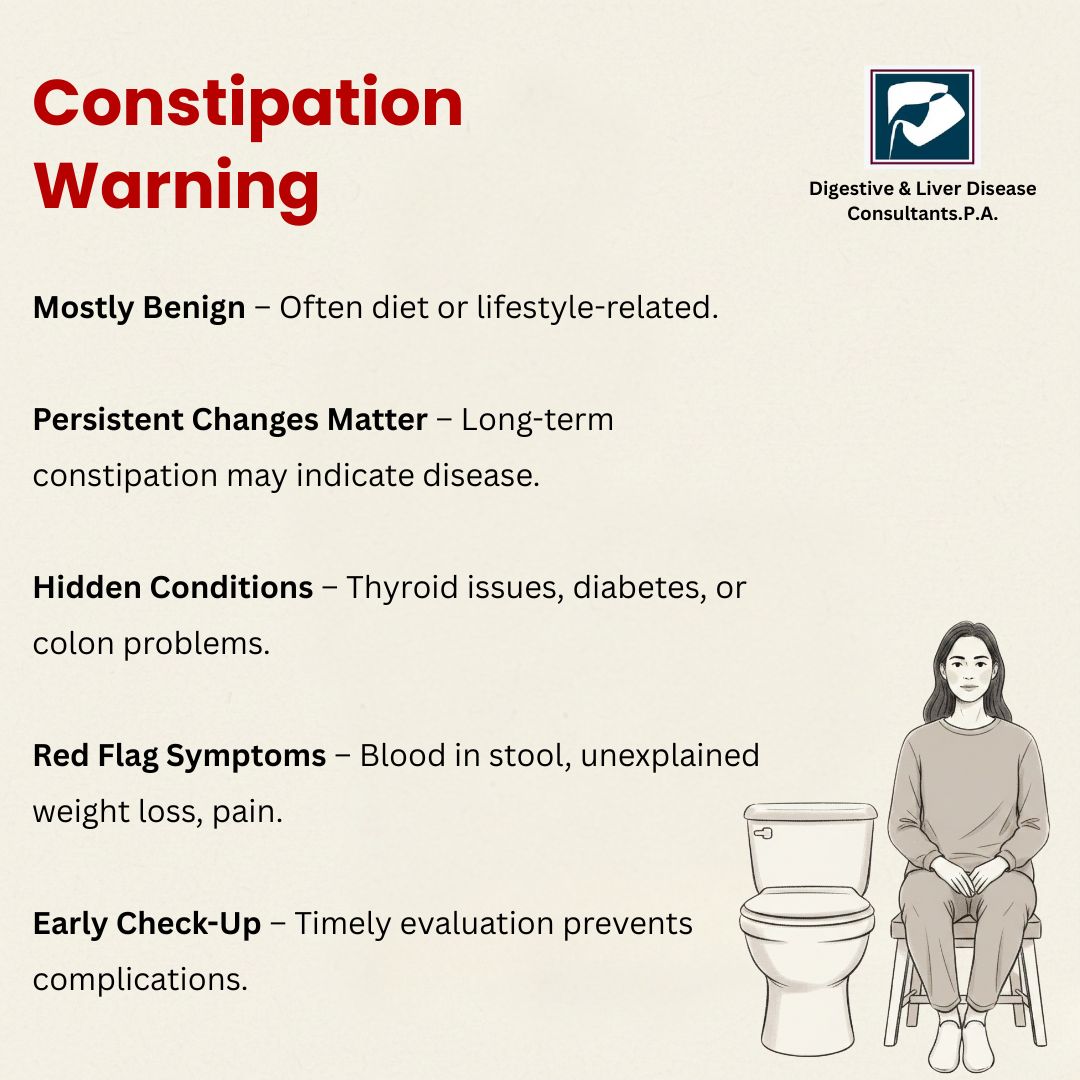
Persistent constipation warning signs should never be ignored. These red flags may indicate serious digestive system problems:
- Blood in stool or black, tarry stools
- Unexplained weight loss
- Severe abdominal pain or bloating
- Vomiting or nausea
- Bowel obstruction symptoms, such as inability to pass gas or stool
These constipation red flags often signal that a medical evaluation is necessary.
Constipation and Colon Cancer
One of the more serious diseases associated with long-term constipation is colon cancer. Changes in bowel habits, including persistent constipation or alternating constipation and diarrhea, may be an early warning sign. While most constipation is not cancer, new onset constipation in adults over 50 should prompt evaluation.
IBS Constipation vs Serious Disease
Distinguishing IBS constipation vs serious disease is crucial. IBS usually presents with bloating, abdominal discomfort, and relief after bowel movements. Serious conditions may present with persistent pain, blood in stool, or sudden changes in bowel habits. Consulting a gastro specialist ensures accurate diagnosis.
How Constipation Is Diagnosed?
Constipation diagnosis involves a careful review of symptoms, medical history, and sometimes tests to identify underlying conditions:
- Physical examination
- Blood tests to check thyroid or metabolic disorders
- Colonoscopy to screen for colon cancer
- Imaging studies to rule out bowel obstruction
- Specialized tests for digestive system function
A timely constipation medical evaluation can detect potentially serious issues before complications develop.
Lifestyle Approaches to Manage Constipation
While some causes require medical intervention, mild chronic constipation can often be improved with lifestyle changes:
- Increase dietary fiber gradually through fruits, vegetables, and whole grains
- Drink adequate water throughout the day
- Maintain regular physical activity
- Establish consistent bowel habits
- Reduce stress to support gut motility
These strategies also support overall digestive health and may prevent recurrent constipation.
When to See a Doctor for Constipation?
You should seek help when:
- Constipation persists for more than a few weeks
- There are constipation red flags such as blood in stool, severe pain, or unexplained weight loss
- Over-the-counter remedies fail to relieve symptoms
- You have underlying health conditions that may contribute to bowel changes
Early consultation can rule out constipation serious disease and ensure proper treatment.
Why Choose Digestive & Liver Disease Consultants, P.A.?
Digestive health issues require expert care and personalized management. At Digestive & Liver Disease Consultants, P.A., our team provides:
- Expert evaluation of chronic constipation causes
- Advanced diagnostic testing including colonoscopy and imaging
- Personalized treatment plans for IBS, gut disorders, and other digestive system problems
- Focus on identifying constipation underlying conditions before complications arise
- Compassionate, patient-centered care
Our specialists work to restore regular bowel habits, address persistent constipation warning signs, and protect long-term digestive health.
Conclusion
While most constipation is minor, persistent constipation can sometimes indicate more serious disease. Understanding constipation red flags, knowing IBS constipation vs serious disease, and seeking timely medical evaluation are essential steps. Chronic constipation causes vary widely, and only a specialist can identify whether your symptoms signal a minor issue or a more serious condition, such as colon cancer or bowel obstruction.
If you are experiencing persistent constipation, unusual bowel habits, or constipation red flags, consult our top gastro specialist at Digestive & Liver Disease Consultants, P.A. Our team provides expert constipation medical evaluation, accurate diagnosis, and personalized treatment to support your digestive health. Schedule your appointment today for safer, healthier bowel function.