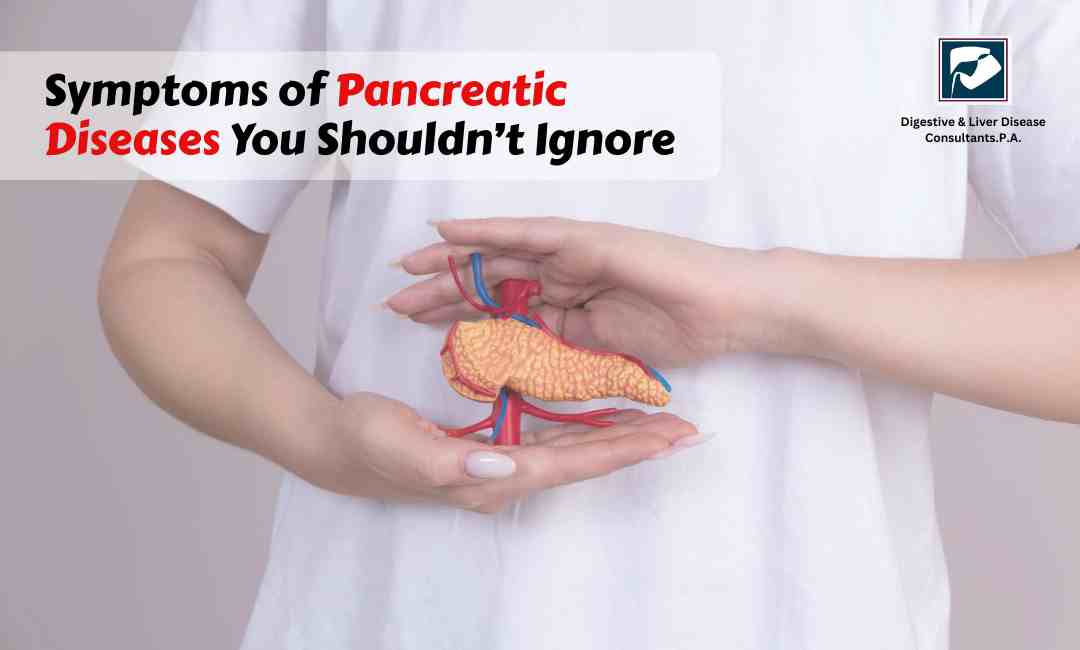
The pancreas is a small organ, but its role is massive. It helps digest food and regulates blood sugar through insulin. When the pancreas starts to fail, the body sends warning signs. The problem is that many of these signs feel vague at first and are often ignored or blamed on everyday digestive issues.
Pancreatic diseases can become serious very quickly. Recognizing symptoms early can prevent complications, hospitalizations, and long term damage.
Why Pancreatic Symptoms Are Often Missed?
Pancreatic diseases include pancreatitis, pancreatic insufficiency, cysts, and pancreatic cancer. Early symptoms are often mild and overlap with common problems like indigestion, acidity, or stress.
By the time pain becomes severe, the disease may already be advanced. That is why early symptoms matter.
Persistent Upper Abdominal Pain
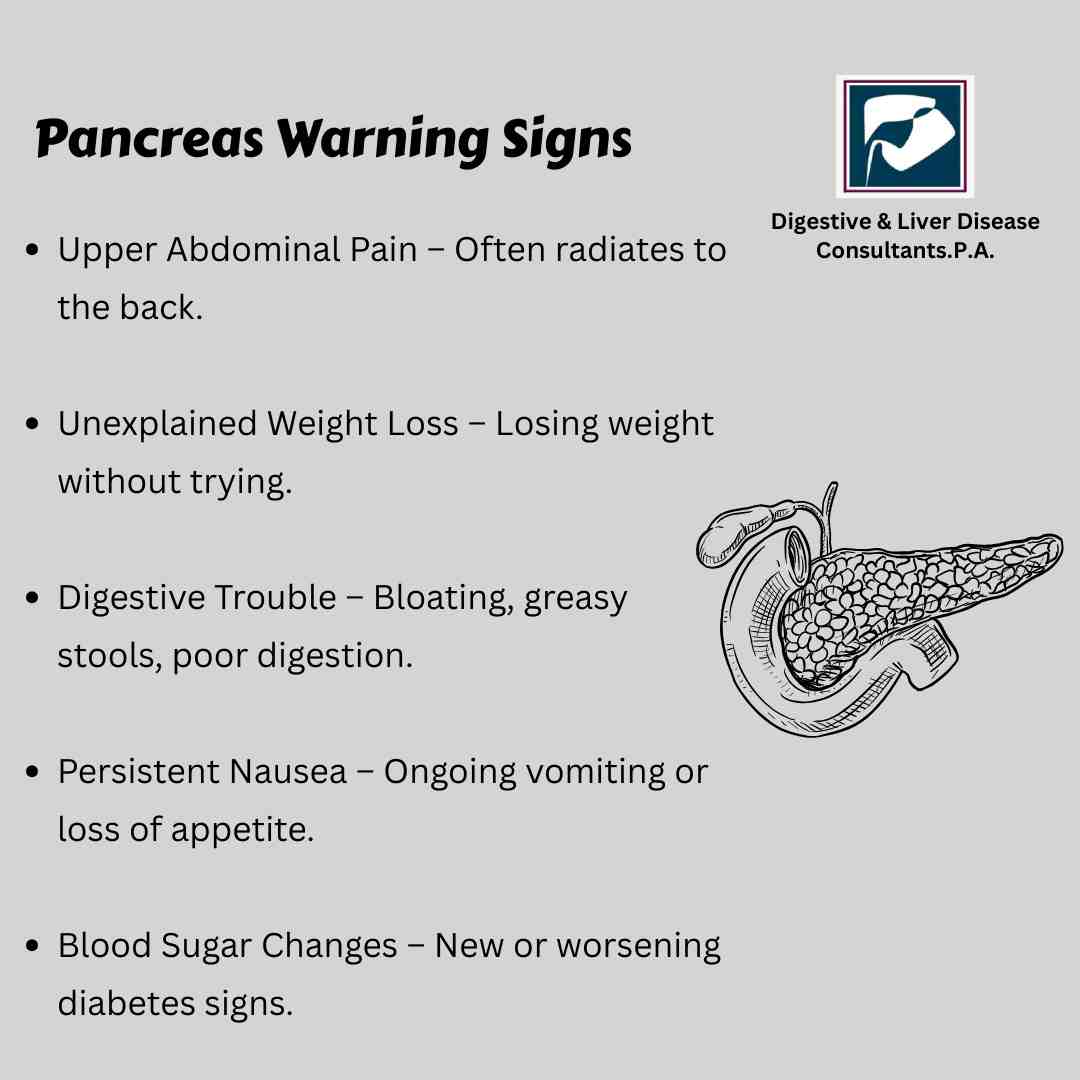
One of the most common warning signs is pain in the upper abdomen.
- Pain may feel dull, deep, or burning
- It often appears in the center or left upper abdomen
- It can radiate to the back
- Pain may worsen after eating or lying down
Pain that keeps returning or does not improve with routine treatment should never be ignored.
If you are experiencing symptoms that may point to a pancreatic problem, expert evaluation matters. At Digestive & Liver Disease Consultants, P.A., our best gastroenterologists provide advanced diagnostic care and personalized treatment for all pancreatic conditions.
Pain That Spreads to the Back
Pancreatic pain often travels straight through to the back. This is a classic sign, especially in pancreatitis or pancreatic cancer.
If back pain appears along with digestive symptoms or weight loss, it deserves immediate evaluation.
Unexplained Weight Loss
Losing weight without trying is a major red flag.
This happens because the pancreas is not producing enough digestive enzymes. When food is not digested properly, the body cannot absorb nutrients, even if you are eating normally.
Weight loss combined with poor appetite or fatigue should always be checked.
Ongoing Nausea and Vomiting
Frequent nausea, vomiting, or feeling full quickly can signal pancreatic inflammation.
These symptoms often worsen after meals and may come with bloating or abdominal discomfort. Persistent nausea is not normal and should not be brushed off.
Changes in Stool Appearance
The pancreas plays a key role in fat digestion. When it fails, stool changes are often one of the first clues.
Watch for:
- Pale or clay colored stools
- Greasy or oily stools
- Foul smelling stools
- Stools that float and are hard to flush
These signs point toward pancreatic enzyme deficiency and require medical attention.
Chronic Diarrhea
Frequent loose stools that do not respond to basic treatment may indicate pancreatic disease. This is especially true if diarrhea occurs with weight loss or fatigue.
Chronic diarrhea leads to dehydration and nutrient deficiencies if left untreated.
Yellowing of Eyes or Skin
Jaundice occurs when bile flow is blocked. Pancreatic tumors or inflammation can press on bile ducts, causing bilirubin to build up.
Early signs include:
- Yellowing of the whites of the eyes
- Yellow skin tone
- Dark urine
- Pale stools
Jaundice is a medical warning sign and should always be evaluated urgently.
New or Worsening Diabetes
Sudden onset diabetes or worsening blood sugar control can signal pancreatic disease.
The pancreas produces insulin. When it becomes damaged, insulin production drops. Adults who develop diabetes unexpectedly, especially with weight loss or abdominal pain, should be evaluated for pancreatic issues.
Loss of Appetite and Early Fullness
Feeling full after eating small amounts or having no interest in food can be linked to pancreatic inflammation or tumors.
This symptom often appears quietly and worsens over time.
Persistent Fatigue and Weakness
Pancreatic diseases drain the body of nutrients and energy. Fatigue may come from poor digestion, chronic inflammation, or blood sugar imbalance.
When tiredness does not improve with rest, it needs investigation.
Fever With Abdominal Symptoms
Fever combined with abdominal pain, nausea, or vomiting may point to acute pancreatitis or infection. This requires prompt medical care.
Who Is at Higher Risk for Pancreatic Disease
Certain factors increase risk and lower the threshold for evaluation.
- Heavy alcohol use
- Smoking
- Gallstones
- Chronic pancreatitis history
- Family history of pancreatic disease
- Obesity
- Long standing diabetes
- High triglyceride levels
People with these risks should not ignore even mild symptoms.
When to See a Gastroenterologist Immediately
You should seek medical care if you experience:
- Persistent or severe abdominal pain
- Pain spreading to the back
- Unexplained weight loss
- Jaundice
- Chronic diarrhea
- Greasy stools
- Recurrent nausea or vomiting
- Sudden changes in blood sugar
Early evaluation saves lives and prevents complications.
How Pancreatic Diseases Are Diagnosed
A gastroenterologist may recommend:
- Blood tests for pancreatic enzymes
- Imaging such as ultrasound, CT scan, or MRI
- Endoscopic ultrasound for detailed evaluation
- Stool tests for enzyme deficiency
- Blood sugar testing
Early diagnosis leads to more effective treatment options.
Why Early Treatment Matters
- Untreated pancreatic disease can lead to:
- Severe infections
- Chronic pain
- Malnutrition
- Diabetes
- Organ failure
- Increased cancer risk
Early treatment improves outcomes and quality of life.
Conclusion
Pancreatic diseases often whisper before they scream. Subtle digestive changes, unexplained weight loss, persistent pain, or stool changes are not normal and should not be ignored. Listening to these early warning signs allows for timely diagnosis, effective treatment, and better long term health.
If you are experiencing symptoms that may point to a pancreatic problem, expert evaluation matters. At Digestive & Liver Disease Consultants, P.A., our best gastroenterologists provide advanced diagnostic care and personalized treatment for all pancreatic conditions.
Schedule your appointment today and take a proactive step toward protecting your digestive and overall health.