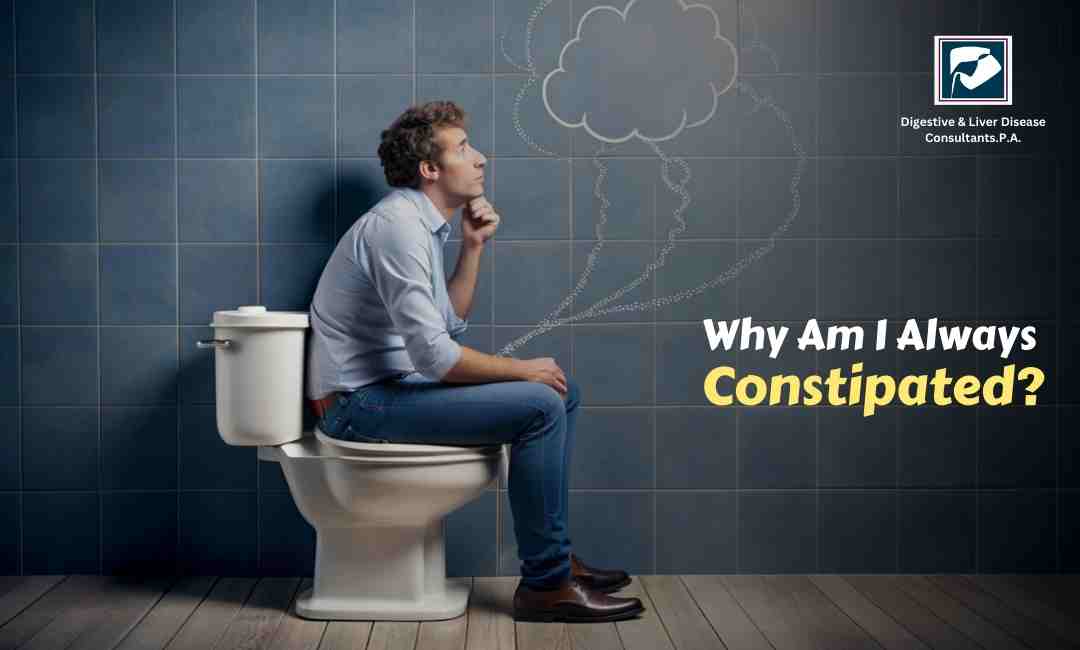
Constipation is one of the most common digestive complaints, yet it is often misunderstood and ignored. If you constantly feel bloated, strain during bowel movements, or go days without relief, you may wonder why this keeps happening. Here’s the thing. Chronic constipation is not just about irregular bowel movements. It often reflects how your digestive system, diet, lifestyle, and overall health are working together.
Understanding the root causes of constipation is the first step toward lasting relief.
What Is Constipation?
Constipation typically means having fewer than three bowel movements per week or passing hard, dry stools that are difficult or painful to pass.
Common signs include
- Hard or lumpy stools
- Straining during bowel movements
- Feeling of incomplete evacuation
- Abdominal bloating or discomfort
- Needing extra time in the bathroom
When these symptoms persist for weeks or months, it is considered chronic constipation.
Common Causes of Chronic Constipation
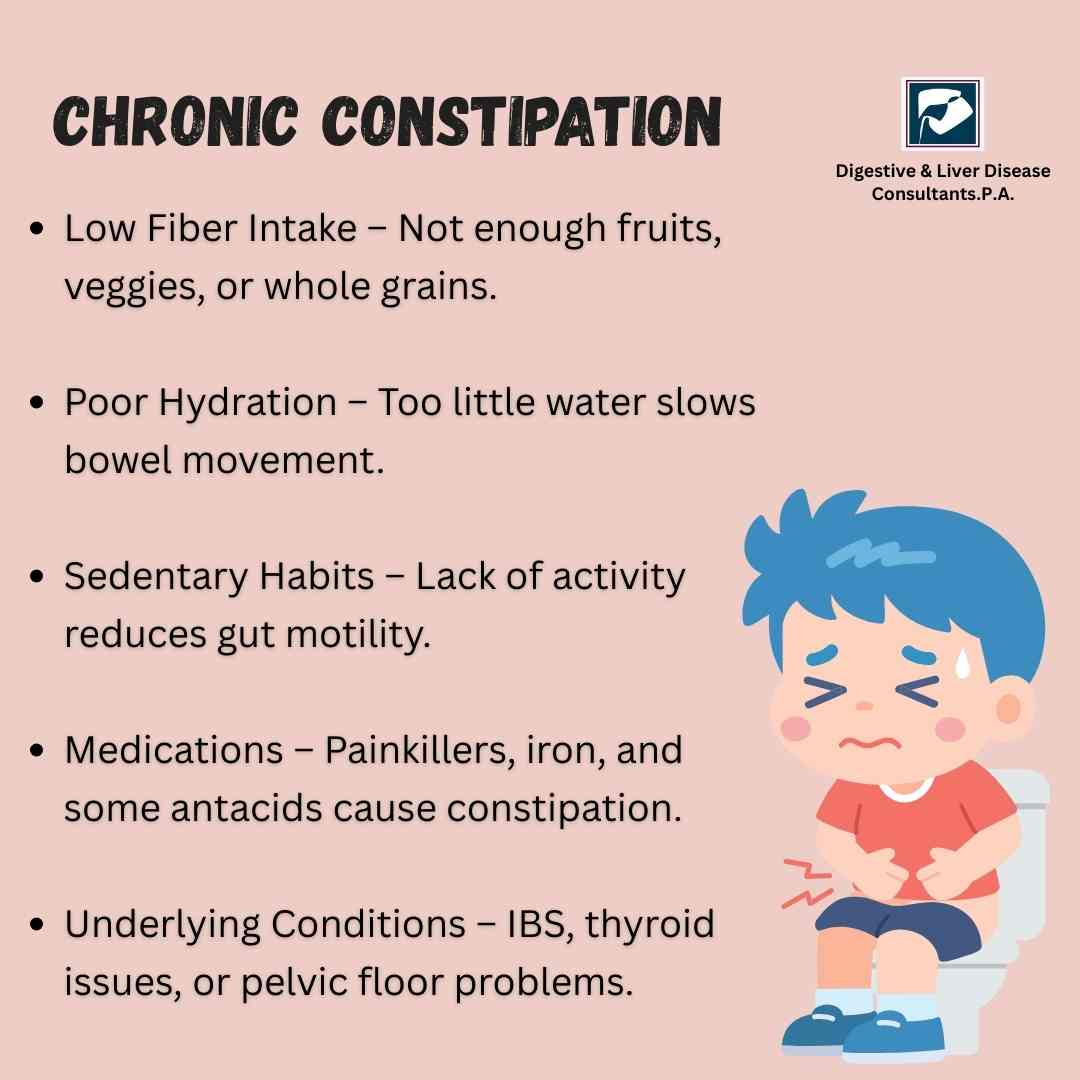
Low Fiber Intake
Fiber adds bulk to stool and helps it move smoothly through the digestive tract. Diets low in fruits, vegetables, whole grains, and legumes are a major cause of constipation.
Highly processed foods often lack the fiber needed for regular bowel movements.
Inadequate Fluid Intake
Water softens stool. When the body is dehydrated, the colon absorbs more water from stool, making it hard and difficult to pass.
Many people underestimate how little water they actually drink daily.
Sedentary Lifestyle
Physical activity stimulates intestinal movement. A lack of regular exercise slows digestion, increasing the risk of constipation.
Even simple daily movement can make a noticeable difference.
Ignoring the Urge to Go
Delaying bowel movements teaches the body to suppress natural signals. Over time, this can disrupt normal bowel habits and contribute to chronic constipation.
Changes in Routine
Travel, shift work, stress, or changes in eating patterns can affect digestion. The digestive system responds best to routine and consistency.
Medical Conditions Linked to Constipation
Constipation is sometimes a symptom of an underlying condition.
Common medical causes include
- Irritable bowel syndrome with constipation
- Hypothyroidism
- Diabetes
- Neurological conditions such as Parkinson’s disease
- Pelvic floor dysfunction
Identifying and treating the underlying issue is essential for long term relief.
Medications That May Cause Constipation
Certain medications can slow bowel movement, including
- Pain medications
- Iron supplements
- Antidepressants
- Antacids containing calcium or aluminum
- Blood pressure medications
Never stop medications without medical guidance, but discuss side effects with your doctor.
How Stress Affects Bowel Movements?
The gut and brain are closely connected. Stress and anxiety can disrupt gut signals, slow digestion, and worsen constipation.
Chronic stress often leads to poor eating habits, dehydration, and reduced physical activity, all of which contribute to constipation.
When Constipation Becomes a Concern
Occasional constipation is common, but chronic constipation requires medical attention, especially if accompanied by
- Blood in stool
- Unexplained weight loss
- Severe abdominal pain
- Vomiting
- Sudden change in bowel habits
These symptoms may indicate more serious digestive conditions.
How Constipation Is Diagnosed?
Doctors may recommend
- Detailed medical and dietary history
- Physical examination
- Blood tests
- Colonoscopy or imaging studies
- Specialized tests for bowel function
Proper diagnosis helps guide effective treatment.
Natural Ways to Improve Constipation
Increase Fiber Gradually
Introduce fiber slowly to avoid bloating and gas. Good sources include
- Oats
- Fruits like apples and berries
- Vegetables
- Psyllium fiber
Drink Enough Fluids
Aim for consistent hydration throughout the day rather than large amounts at once.
Stay Active
Regular walking, stretching, or light exercise helps stimulate bowel movements.
Establish a Routine
Try using the bathroom at the same time each day, especially after meals when the digestive reflex is strongest.
Manage Stress
Relaxation techniques, breathing exercises, and quality sleep support healthy digestion.
When Lifestyle Changes Are Not Enough?
Some people need medical treatment when constipation persists despite lifestyle changes. Options may include
- Prescription medications
- Pelvic floor therapy
- Treatment of underlying conditions
- Specialized dietary guidance
Early intervention prevents complications such as hemorrhoids and fissures.
Why Choose Digestive & Liver Disease Consultants, P.A.?
Chronic constipation deserves expert evaluation, not guesswork. Digestive & Liver Disease Consultants, P.A. provides comprehensive care for patients with ongoing digestive issues.
Why patients choose our practice
- Board certified gastroenterologists
- Advanced diagnostic testing
- Personalized treatment plans
- Focus on identifying root causes
- Compassionate, patient focused care
We work closely with patients to restore healthy bowel habits and improve quality of life.
Conclusion
If you are always constipated, your body is trying to tell you something. Constipation is often linked to diet, hydration, lifestyle, or underlying medical conditions. Ignoring the problem can lead to discomfort and complications over time.
Understanding the cause and taking the right steps can bring lasting relief and better digestive health.
If constipation has become a constant struggle, do not delay care. Consult our top gastro specialist at Digestive & Liver Disease Consultants, P.A. for accurate diagnosis and personalized treatment. Schedule your appointment today and take the first step toward comfortable, regular digestion.