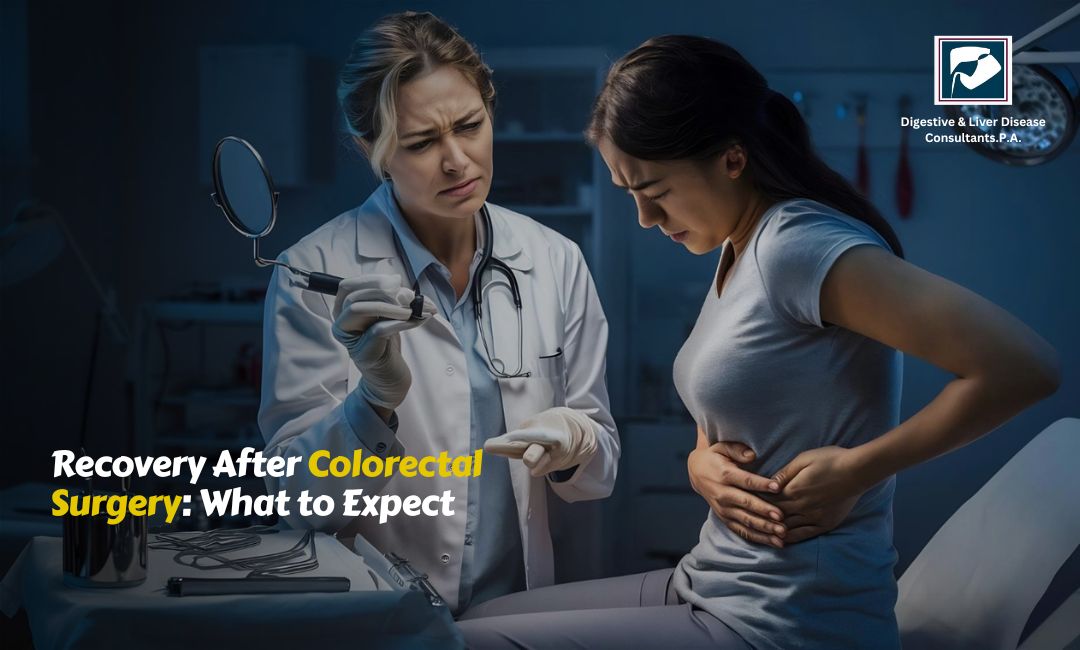
Colorectal surgery is performed to treat a variety of conditions affecting the colon and rectum, including cancer, diverticulitis, inflammatory bowel disease, and severe hemorrhoids. While the procedure itself is important, the healing period afterward plays a crucial role in achieving the best outcome. Understanding colorectal surgery recovery helps patients prepare both physically and mentally for the healing journey.
Every patient’s recovery experience is different. However, knowing what typically happens during recovery after colon surgery can help reduce anxiety and make the process smoother.
Immediately After Surgery
Right after surgery, patients are usually moved to a recovery room where healthcare providers closely monitor vital signs, pain levels, and overall condition. The first few hours are focused on ensuring the body is stable and beginning the early stages of the colon surgery healing process.
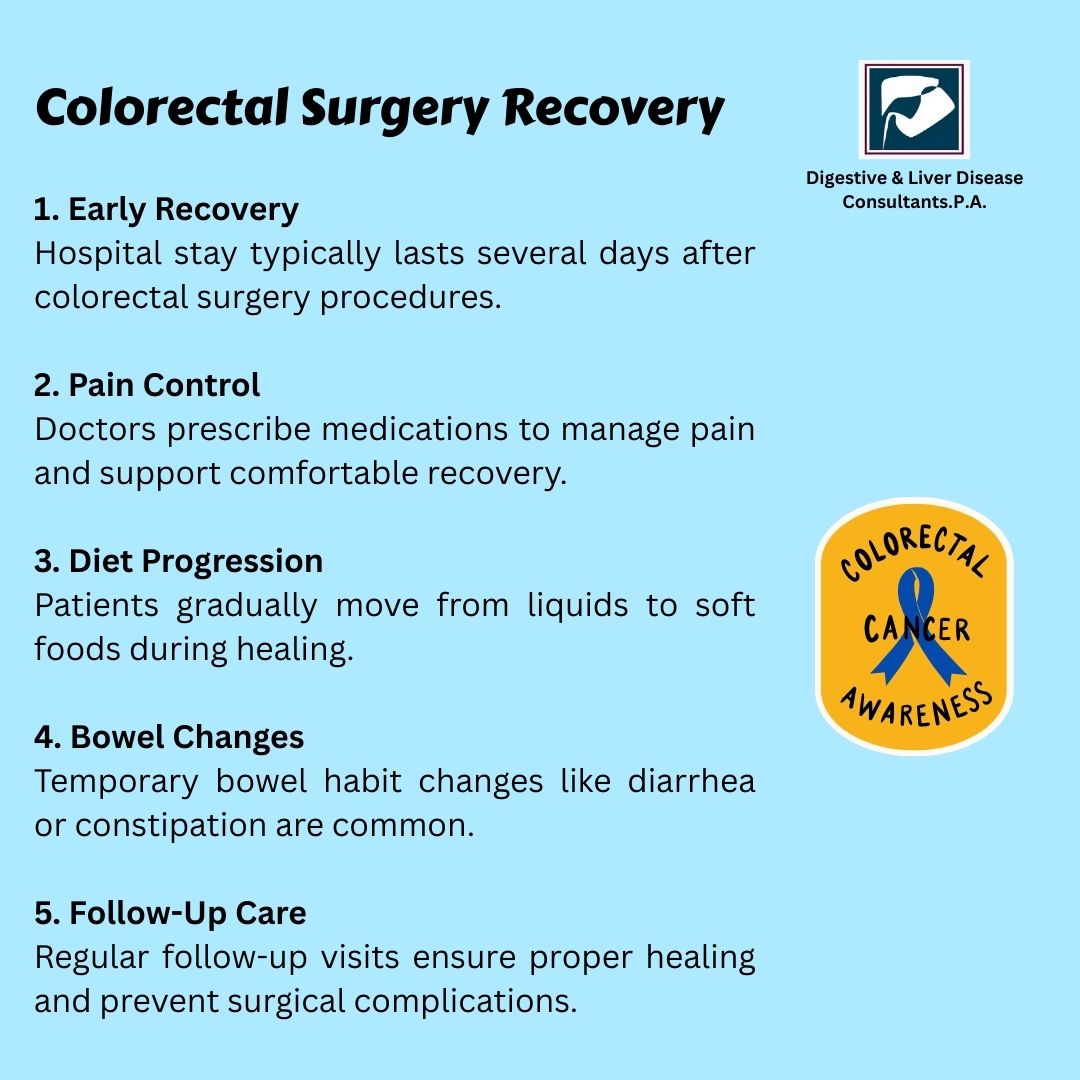
Depending on the type of procedure performed, the hospital stay after colon surgery may last anywhere from a few days to a week. Patients who undergo minimally invasive colorectal surgery recovery often experience shorter hospital stays compared to those who have traditional open surgery.
During this time, doctors and nurses assist patients with pain management, wound care, and gradual movement.
Hospital Stay and Early Recovery
The first few days in the hospital focus on monitoring healing and preventing complications. Medical teams encourage patients to begin gentle movement as soon as possible. Walking helps improve circulation, reduce the risk of blood clots, and stimulate bowel function.
During this stage of postoperative care colorectal surgery, patients may experience:
- Mild to moderate abdominal discomfort
- Fatigue or weakness
- Temporary changes in bowel function
Doctors will also check surgical incisions regularly to ensure proper healing.
Pain Management After Colon Surgery
Managing discomfort is an important part of recovery. Pain management colon surgery plans typically include a combination of medications, careful monitoring, and gradual physical activity.
Patients may receive pain relief through:
- Oral medications
- Intravenous medication during the hospital stay
- Anti inflammatory medications
The goal is to keep pain under control while allowing the body to heal naturally.
Bowel Movement Changes After Surgery
Changes in bowel habits are common during digestive recovery after surgery. The digestive system needs time to adjust after a portion of the colon or rectum has been treated or removed.
Common bowel movement changes after surgery include:
- Temporary constipation
- Loose stools or diarrhea
- Increased frequency of bowel movements
- Gas or bloating
These changes usually improve over time as the digestive system adapts.
Doctors often recommend dietary adjustments and hydration to support healthy bowel function during recovery.
Diet After Colorectal Surgery
Proper nutrition plays a major role in the healing process. Following the recommended diet after colorectal surgery can help reduce digestive stress and promote recovery.
In the early days after surgery, patients typically begin with:
- Clear liquids
- Soft foods
- Easily digestible meals
As recovery progresses, more solid foods can gradually be added back into the diet. High fiber foods may be introduced slowly to help regulate bowel movements.
Staying well hydrated is also essential for digestive recovery.
Recovery Time After Rectal Surgery
The rectal surgery recovery time varies depending on the type of procedure and the patient’s overall health. While some individuals feel better within a few weeks, complete healing may take several months.
Patients who undergo minimally invasive procedures often experience quicker recovery compared to those who have open surgery. However, following medical advice and avoiding strenuous activity during the early stages is critical.
Returning to Normal Activities
One of the most common concerns patients have is returning to normal activity after colon surgery. Most people can gradually resume daily tasks within a few weeks.
Light activities such as walking are encouraged early in the recovery process. However, heavy lifting and intense physical activity should be avoided until the surgeon confirms that healing has progressed sufficiently.
Work schedules may also vary depending on the type of surgery and physical demands of the job.
Possible Colorectal Surgery Complications
While most patients recover without major problems, it is important to be aware of potential colorectal surgery complications.
Possible complications may include:
- Infection at the surgical site
- Bleeding
- Blood clots
- Bowel obstruction
- Leakage from surgical connections in the colon
Early recognition of symptoms such as fever, severe pain, or unusual swelling helps doctors address problems quickly.
Importance of Follow Up Care
Ongoing monitoring is a key part of successful recovery. Colorectal surgery follow up care ensures that healing is progressing properly and allows doctors to detect any complications early.
Follow up visits may include:
- Physical examination
- Review of symptoms
- Imaging or lab tests if needed
These appointments also give patients the opportunity to discuss concerns about diet, bowel function, or returning to normal activities.
Tips for a Smooth Recovery
Patients can take several steps to support the colon surgery healing process and improve overall recovery.
Helpful tips include:
- Follow all postoperative care instructions
- Take medications exactly as prescribed
- Maintain a balanced diet
- Stay hydrated
- Walk regularly to improve circulation
- Avoid heavy lifting until cleared by your doctor
Patience is important during recovery. The body needs time to heal fully.
Emotional and Physical Adjustment
Recovering from colorectal surgery is not only physical but also emotional. Some patients may feel anxious about bowel changes or returning to daily life.
Understanding that these adjustments are part of the colorectal surgery patient guide helps patients feel more confident and prepared for recovery.
Support from family members and healthcare providers can make the healing process easier.
Why Choose Digestive & Liver Disease Consultants, P.A.?
Choosing the right medical team is an important part of successful treatment and recovery. At Digestive & Liver Disease Consultants, P.A., patients receive comprehensive care for colon and rectal conditions.
Our specialists are experienced in advanced surgical techniques, including minimally invasive procedures that promote faster healing and improved patient outcomes. We provide personalized treatment plans and continuous support throughout every stage of care.
From diagnosis to colorectal surgery follow up care, our team is committed to helping patients achieve the best possible recovery and long term digestive health.
Conclusion
Recovery after colorectal surgery is a gradual process that requires proper care, patience, and medical guidance. Understanding the stages of colorectal surgery recovery allows patients to prepare for the healing journey and manage expectations.
With appropriate postoperative care colorectal surgery, a balanced diet, and regular follow up appointments, most patients successfully return to normal activities and enjoy improved digestive health.
If you are preparing for colon or rectal surgery or have questions about recovery, consulting our best GI specialist ensures you receive the support and guidance needed for a smooth and successful healing process.