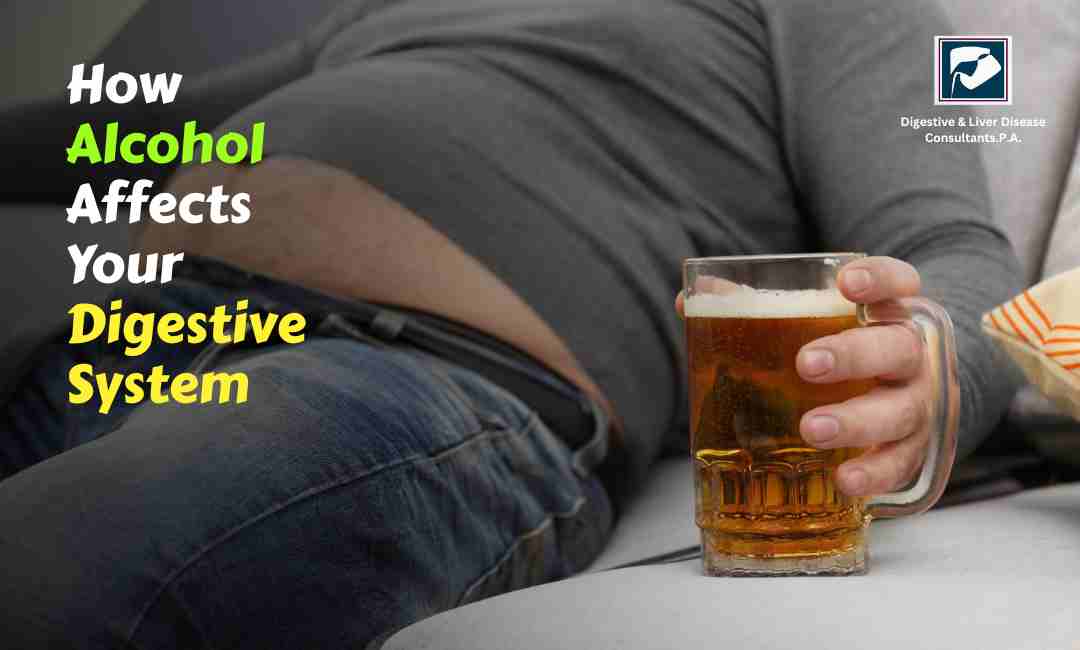
Alcohol is widely consumed, often without much thought about what it does inside the body. While an occasional drink may seem harmless, regular or heavy alcohol intake can disrupt nearly every part of the digestive system. From the mouth to the liver and intestines, alcohol interferes with digestion, nutrient absorption, and gut health.
Understanding how alcohol affects your digestive system can help you make informed choices and recognize early warning signs before serious damage occurs.
Alcohol and the Digestive Tract
Your digestive system works in a coordinated way to break down food and absorb nutrients. Alcohol disrupts this process at multiple levels.
When alcohol enters the body, it irritates the lining of the digestive tract and alters how digestive organs function. Over time, this irritation leads to inflammation, reduced enzyme activity, and long term complications.
If you are experiencing digestive symptoms or are concerned about the effects of alcohol on your gut or liver, consult the experts at Digestive & Liver Disease Consultants, P. A.
Effects of Alcohol on the Mouth and Esophagus
Alcohol reduces saliva production, which is essential for starting digestion. This leads to dry mouth, poor oral health, and difficulty swallowing.
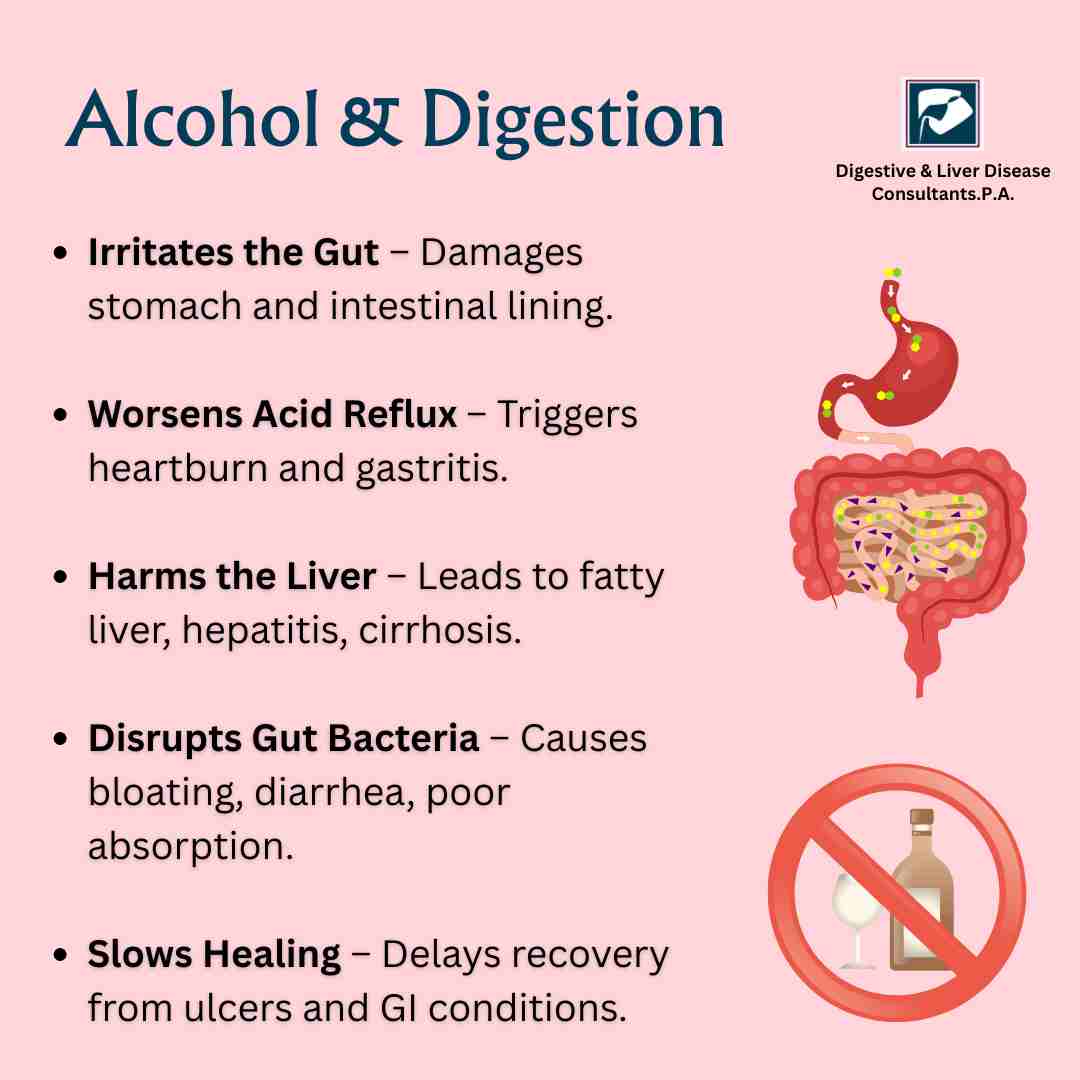
In the esophagus, alcohol relaxes the lower esophageal sphincter. This increases the risk of acid reflux and heartburn. Chronic alcohol use can cause inflammation of the esophagus, increasing the risk of ulcers and bleeding.
How Alcohol Affects the Stomach?
The stomach is one of the first organs affected by alcohol.
Alcohol:

- Increases stomach acid production
- Irritates the stomach lining
- Slows gastric emptying
These effects can lead to gastritis, nausea, bloating, vomiting, and stomach pain. Over time, repeated irritation increases the risk of ulcers and internal bleeding.
Impact on the Small Intestine
The small intestine is where most nutrient absorption occurs. Alcohol interferes with this process.
Key effects include:
- Reduced absorption of vitamins and minerals
- Damage to the intestinal lining
- Increased gut permeability
This means essential nutrients like vitamin B12, folate, iron, and calcium are poorly absorbed, leading to fatigue, anemia, bone weakness, and nerve problems.
Alcohol and Gut Bacteria
Alcohol disrupts the balance of gut bacteria. It reduces beneficial bacteria and allows harmful bacteria to grow.
This imbalance can cause:
- Bloating and gas
- Diarrhea
- Weakened immune response
- Increased inflammation
Over time, poor gut balance contributes to chronic digestive disorders and systemic inflammation.
Effects on the Pancreas
The pancreas produces enzymes needed for digestion and hormones that regulate blood sugar. Alcohol interferes with both functions.
Alcohol can:
- Trigger acute pancreatitis
- Cause chronic pancreatic inflammation
- Reduce digestive enzyme production
This leads to poor digestion, abdominal pain, diarrhea, and unintended weight loss. Long term pancreatic damage also increases the risk of diabetes.
How Alcohol Damages the Liver?
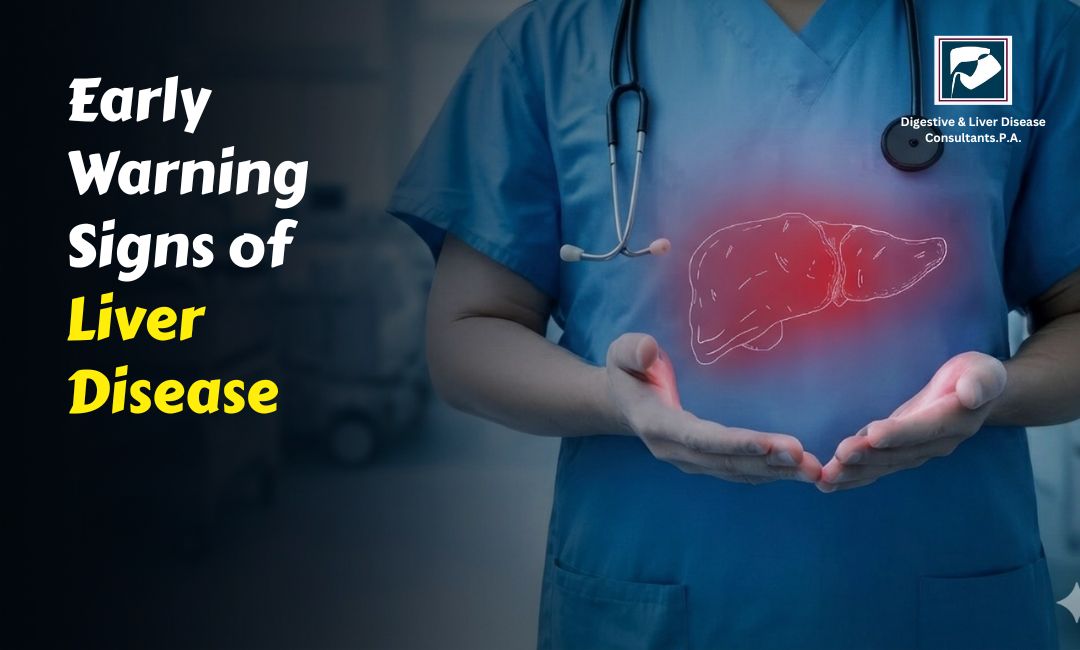
The liver processes and detoxifies alcohol. When alcohol intake exceeds the liver’s ability to handle it, damage begins.
Stages of alcohol related liver damage include:
- Fatty liver disease
- Alcoholic hepatitis
- Cirrhosis
Early liver damage often has no symptoms. As disease progresses, patients may experience fatigue, abdominal swelling, jaundice, easy bruising, and confusion.
Alcohol and the Large Intestine
Alcohol affects colon motility and water absorption. This can result in:
- Frequent loose stools
- Dehydration
- Worsening of existing bowel disorders
For individuals with irritable bowel syndrome or inflammatory bowel disease, alcohol often worsens symptoms significantly.
Long Term Digestive Complications
Chronic alcohol use increases the risk of serious digestive conditions such as:
- Peptic ulcers
- Gastrointestinal bleeding
- Chronic pancreatitis
- Liver cirrhosis
- Digestive cancers
These complications develop gradually and may go unnoticed until advanced stages.
Signs Your Digestive System Is Struggling With Alcohol
Warning signs include:
- Frequent acidity or heartburn
- Persistent stomach pain
- Chronic diarrhea or constipation
- Unexplained weight loss
- Fatigue and nutrient deficiencies
- Yellowing of skin or eyes
Ignoring these symptoms can lead to irreversible damage.
Can Digestive Damage From Alcohol Be Reversed?
In early stages, reducing or stopping alcohol intake allows the digestive system to heal. Fatty liver disease and mild gastritis are often reversible with lifestyle changes and medical support.
Advanced conditions like cirrhosis or chronic pancreatitis require long term management. Early diagnosis makes a critical difference.
Conclusion
Alcohol affects every part of the digestive system, from the mouth to the liver and intestines. While occasional consumption may not cause harm, regular or excessive drinking places constant stress on digestive organs. Over time, this leads to inflammation, poor nutrient absorption, and serious disease.
Listening to your body and seeking expert care at the right time can protect your digestive health and prevent long term complications.
If you are experiencing digestive symptoms or are concerned about the effects of alcohol on your gut or liver, consult the experts at Digestive & Liver Disease Consultants, P. A. Our best gastroenterologists and liver specialists provide comprehensive evaluation, advanced treatment, and personalized guidance for digestive and liver conditions.