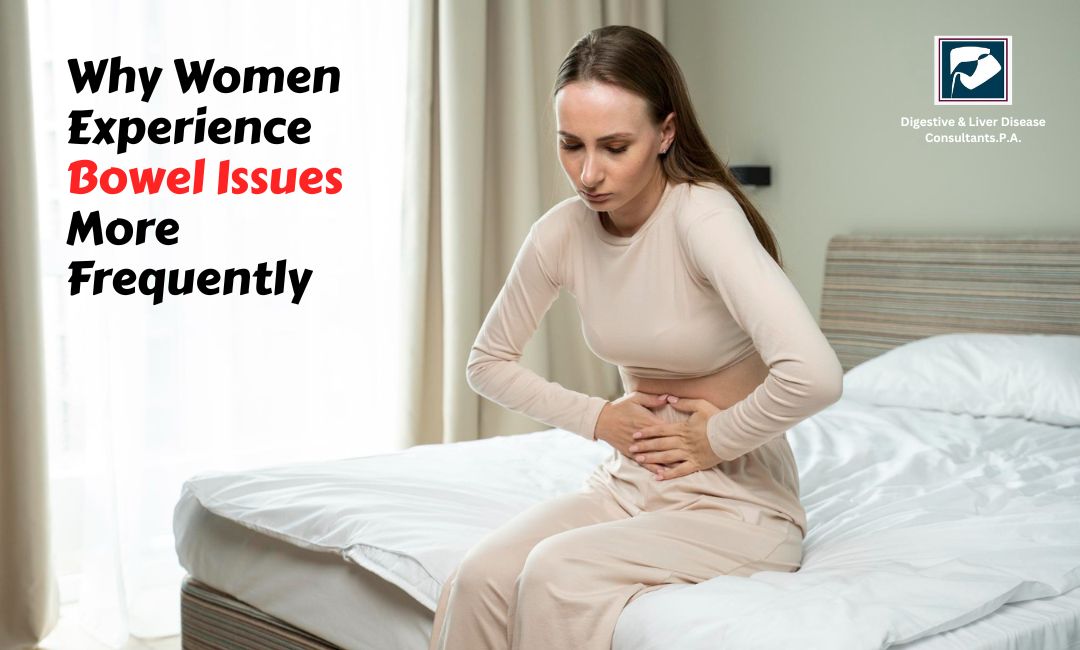
Digestive problems affect millions of people, but studies consistently show that women experience bowel issues more often than men. Conditions such as constipation, bloating, and irritable bowel syndrome are reported at higher rates among women, leading many to wonder why these differences exist.
The explanation lies in a combination of biological, hormonal, and lifestyle factors. Understanding the women bowel issues causes can help patients recognize symptoms early and take steps to improve digestive health.
Hormonal Influence on Digestive Health
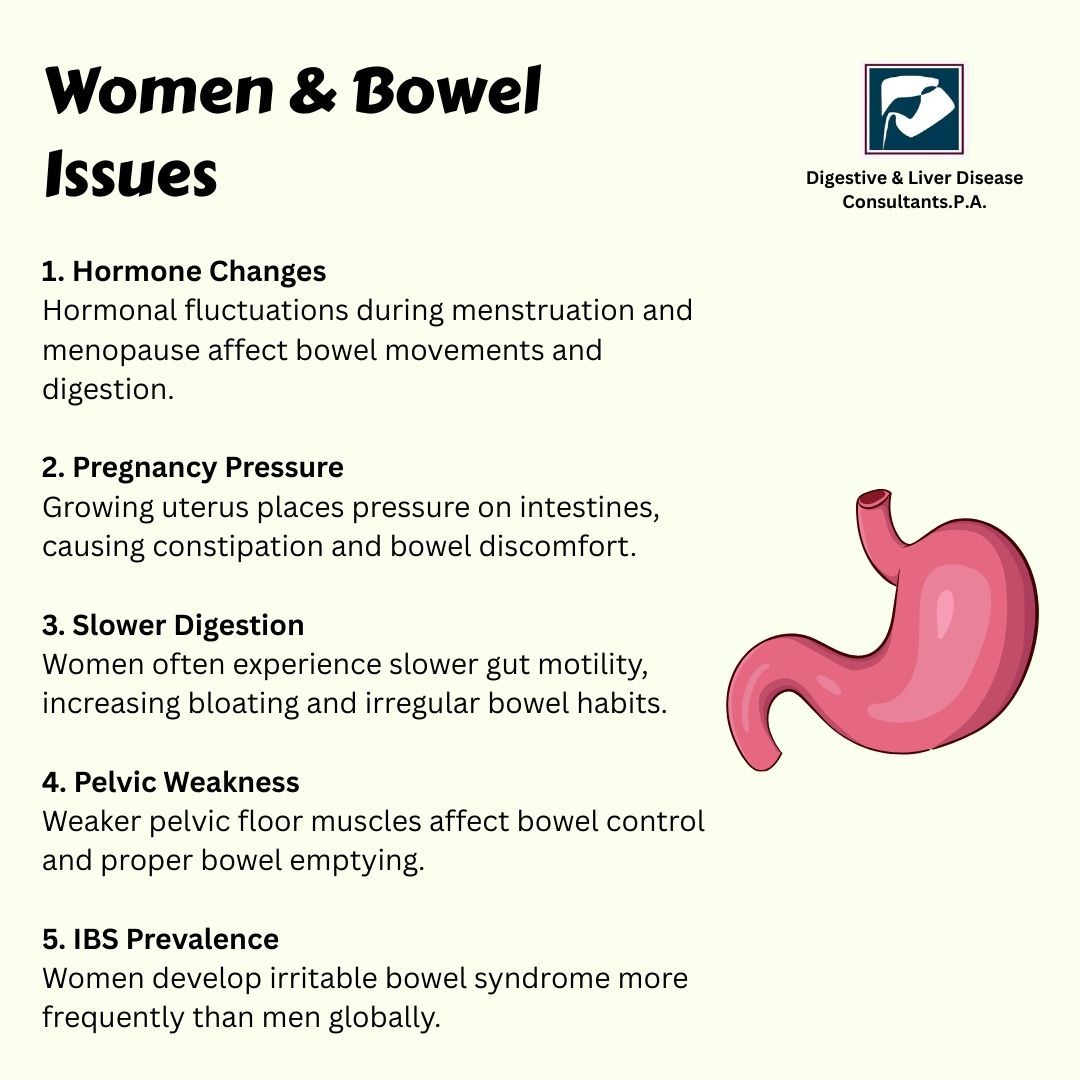
Hormones play a major role in regulating many functions of the body, including digestion. Fluctuations in estrogen and progesterone can directly affect how the digestive system works.
The relationship between gut health and hormones is complex. Hormones influence muscle contractions in the digestive tract, bowel movement patterns, and the way the body processes food.
Because women experience hormonal changes throughout their lives, their digestive system may be more sensitive to these fluctuations.
Estrogen and Digestion
One of the key hormones affecting digestive function is estrogen. The connection between estrogen and digestion can influence gut motility and intestinal sensitivity.
Higher levels of estrogen may slow down the digestive process, which can contribute to symptoms like bloating and constipation. At the same time, hormonal shifts may make the digestive system more reactive to certain foods or stress.
These hormonal effects explain why many women notice changes in bowel habits at different stages of their life.
Menstrual Cycle and Digestive Changes
Many women experience digestive discomfort during their menstrual cycle. Menstrual cycle digestive issues can include bloating, abdominal cramps, diarrhea, or constipation.
Hormone fluctuations during the cycle can affect bowel movements in several ways:
- Increased prostaglandins may trigger diarrhea
- Hormonal changes can slow intestinal movement
- Water retention may cause bloating
These temporary changes are common but can be uncomfortable for many women.
Irritable Bowel Syndrome in Women
One of the most common digestive problems in women is irritable bowel syndrome. Research shows that IBS in women occurs nearly twice as often as in men.
Symptoms of IBS may include:
- Abdominal pain
- Bloating
- Constipation
- Diarrhea
- Irregular bowel habits
Hormonal influences, increased gut sensitivity, and stress responses are all believed to contribute to this pattern.
Bloating and Constipation in Women
Many women regularly experience bloating and constipation in women, particularly during hormonal changes or stressful periods.
Constipation may occur because hormonal fluctuations slow the movement of food through the intestines. When digestion slows down, stool becomes harder and more difficult to pass.
Bloating often results from gas buildup or changes in gut bacteria. Diet, stress, and hormonal shifts can all influence these symptoms.
Pregnancy and Digestive Changes
Pregnancy brings significant physical and hormonal changes that can affect digestion.
Common pregnancy digestive problems include:
- Constipation
- Heartburn
- Bloating
- Slower digestion
Progesterone levels increase during pregnancy, relaxing muscles throughout the body. This includes the digestive tract, which can slow bowel movement and lead to constipation.
Additionally, the growing uterus can place pressure on the intestines, contributing to bowel irregularity in women during pregnancy.
Pelvic Floor Issues in Women
Another factor affecting female digestive health is pelvic floor function. The pelvic floor muscles support the bladder, uterus, and rectum.
Weakness or dysfunction in these muscles can cause pelvic floor issues women often experience after childbirth, aging, or certain medical conditions.
Symptoms may include:
- Difficulty passing stool
- Incomplete bowel movements
- Straining during bowel movements
Pelvic floor dysfunction is an often overlooked contributor to chronic bowel problems.
Stress and Gut Sensitivity
The digestive system is closely connected to the nervous system. Emotional stress can trigger digestive symptoms such as stomach discomfort, diarrhea, or constipation.
Women may experience stronger gut responses to stress because of differences in the brain gut connection.
Stress related women gastrointestinal symptoms can include:
- Abdominal pain
- Bloating
- Irregular bowel habits
- Increased digestive sensitivity
Managing stress through lifestyle changes can help improve digestive health.
Common Digestive Disorders in Women
Several conditions are known to affect women more frequently than men.
These common digestive disorders in women include:
- Irritable bowel syndrome
- Chronic constipation
- Gallbladder disease
- Gastroesophageal reflux disease
- Inflammatory bowel disease
Recognizing early symptoms allows for proper diagnosis and effective treatment.
Signs of Digestive Problems in Women
Understanding women gut health symptoms can help identify digestive issues early.
Some common symptoms include:
- Frequent bloating
- Abdominal discomfort
- Irregular bowel movements
- Constipation or diarrhea
- Excessive gas
While occasional digestive discomfort may be normal, persistent symptoms should be evaluated by a medical professional.
Supporting Female Digestive Health
Maintaining healthy digestion often requires a combination of lifestyle habits and medical guidance.
Helpful steps for improving female digestive health include:
- Eating a balanced, fiber rich diet
- Drinking plenty of water
- Staying physically active
- Managing stress
- Maintaining regular meal patterns
These habits support healthy bowel function and reduce the risk of chronic digestive issues.
When to Seek Medical Advice
While many digestive symptoms are temporary, persistent problems should not be ignored.
Medical evaluation is recommended if symptoms include:
- Ongoing constipation or diarrhea
- Severe abdominal pain
- Unexplained weight loss
- Rectal bleeding
- Significant changes in bowel habits
Early diagnosis helps identify the cause and prevent complications.
Why Choose Digestive & Liver Disease Consultants, P.A.?
Digestive health concerns require specialized care and accurate diagnosis. At Digestive & Liver Disease Consultants, P.A., patients receive comprehensive evaluation and treatment for a wide range of gastrointestinal conditions.
Our experienced specialists focus on identifying the root causes of women gastrointestinal symptoms and developing personalized treatment plans tailored to each patient.
We provide advanced diagnostic testing, evidence based treatments, and ongoing care to support long term digestive health.
With a patient centered approach and expertise in digestive disorders, our team is dedicated to helping women manage symptoms and improve their quality of life.
Conclusion
Digestive problems are more common in women due to hormonal changes, pregnancy related shifts, pelvic floor issues, and increased gut sensitivity. Understanding the link between gut health and hormones can help explain why symptoms like bloating, constipation, and bowel irregularity occur more frequently.
Recognizing early women gut health symptoms and seeking timely medical care can make a significant difference in managing digestive conditions.
If you are experiencing persistent digestive discomfort, consult our best GI specialists can help identify the cause and provide effective treatment options for lasting digestive wellness.