As we age, maintaining good health becomes increasingly important. The liver, one of the body’s most vital organs, performs hundreds of essential functions including detoxifying harmful substances, supporting digestion, storing nutrients, and regulating metabolism. After the age of 40, the liver may become more vulnerable to damage due to lifestyle factors, metabolic conditions, and long-term exposure to toxins.
Focusing on liver health after 40 is crucial for preventing long-term complications and maintaining overall wellness. Regular screenings and healthy lifestyle habits can help detect problems early and support proper liver function.
Why Liver Health Matters After 40?
The liver has a remarkable ability to regenerate, but years of unhealthy habits can gradually lead to damage. Conditions such as fatty liver disease, alcohol-related liver injury, and metabolic disorders become more common with age.
Many liver diseases develop silently, often without noticeable symptoms in the early stages. That is why liver health checkups and routine screening become particularly important for adults over 40.
Early detection allows doctors to intervene before liver damage becomes severe.
Common Liver Risks After Age 40
Several factors increase the risk of liver problems later in life.
These include:
- Poor dietary habits
- Excess alcohol consumption
- Obesity and metabolic syndrome
- Diabetes
- Long-term medication use
- Viral hepatitis infections
Addressing these risks is essential for liver disease prevention and maintaining long-term liver function.
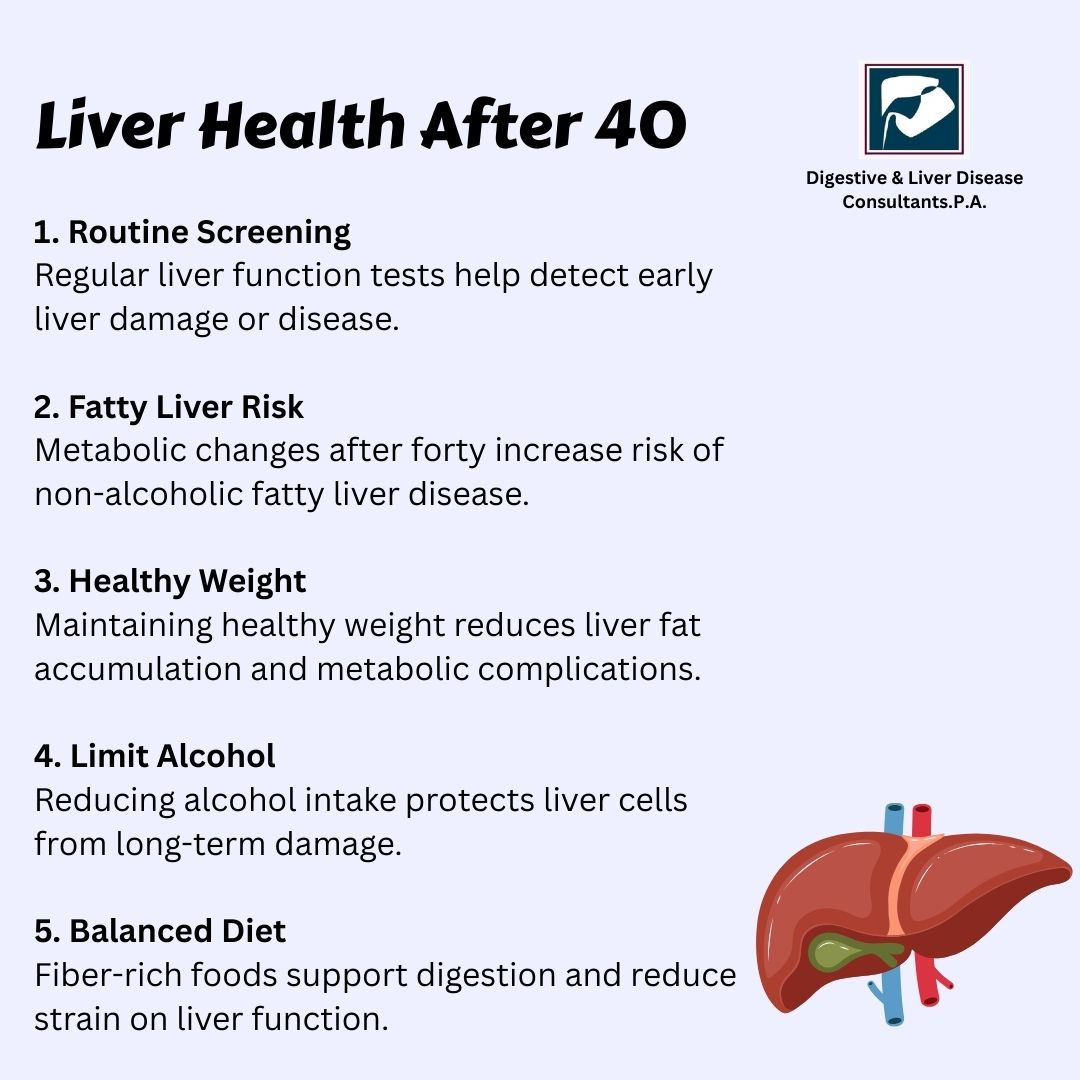
Essential Liver Tests After 40
Routine screening plays a key role in identifying liver problems before symptoms appear. Doctors may recommend several tests to assess liver health and detect early disease.
Liver Function Tests
One of the most common assessments is liver function tests after 40. These blood tests measure enzymes and proteins that reflect how well the liver is functioning.
Common blood tests for liver health include:
- ALT (alanine aminotransferase)
- AST (aspartate aminotransferase)
- Alkaline phosphatase
- Bilirubin levels
- Albumin levels
Abnormal results may indicate inflammation, infection, or early liver damage.
Fatty Liver Screening
Fat accumulation in the liver has become increasingly common due to sedentary lifestyles and unhealthy diets. Fatty liver screening helps identify early stages of non-alcoholic fatty liver disease.
This condition often develops without symptoms but can progress to serious liver damage if left untreated.
Ultrasound for Liver Screening
Doctors often recommend an ultrasound for liver screening to detect structural changes in the liver.
This non-invasive imaging test can identify:
- Fatty liver
- Liver enlargement
- Tumors or cysts
- Cirrhosis changes
Ultrasound is a simple yet effective tool for evaluating liver health.
Regular Health Monitoring
In addition to laboratory tests and imaging, routine liver health checkups allow doctors to track changes in liver function over time. Monitoring helps detect problems early and guides treatment decisions.
Lifestyle Changes to Protect Liver Health
Screening is important, but lifestyle plays an equally significant role in preventing liver disease. Making simple, consistent changes can protect liver function and reduce long-term health risks.
Maintain a Healthy Diet
Nutrition has a major impact on liver health. A balanced diet supports metabolism and helps prevent fat accumulation in the liver.
Healthy dietary habits include:
- Eating more fruits and vegetables
- Choosing whole grains
- Limiting processed foods
- Reducing added sugars
- Avoiding excessive saturated fats
These healthy liver habits help maintain proper liver function.
Manage Alcohol Consumption
Excess alcohol is one of the leading causes of liver damage. Over time, heavy drinking can lead to inflammation, fatty liver, and cirrhosis.
Understanding the connection between alcohol and liver damage is critical for long-term liver health.
Reducing alcohol intake or avoiding it altogether is one of the most effective strategies for protecting the liver.
Stay Physically Active
Regular exercise supports metabolic health and reduces fat accumulation in the liver. Physical activity helps control weight, improves insulin sensitivity, and promotes overall wellness.
Experts recommend at least 30 minutes of moderate exercise most days of the week as part of maintaining liver health naturally.
Maintain a Healthy Weight
Obesity is closely linked to fatty liver disease. Managing weight through balanced nutrition and regular physical activity can significantly reduce the risk of liver complications.
Weight management is a key part of chronic liver disease prevention.
Stay Hydrated
Proper hydration supports digestion and helps the body remove toxins effectively. Drinking enough water throughout the day contributes to overall liver function.
Avoid Unnecessary Medications and Toxins
Certain medications, supplements, and chemicals can stress the liver when used excessively. Always follow medical advice when taking prescription medications and avoid self-medicating whenever possible.
Natural Ways to Support Liver Health
Many people are interested in natural approaches to improving liver function. While no quick fixes exist, consistent healthy habits can support long-term liver wellness.
Helpful liver detox lifestyle tips include:
- Eating antioxidant-rich foods
- Reducing processed foods
- Maintaining a healthy sleep routine
- Managing stress levels
- Staying physically active
These strategies contribute to overall liver wellness tips that promote better health over time.
Signs That May Indicate Liver Problems
Even though early liver disease often develops without symptoms, some warning signs may appear as damage progresses.
These can include:
- Persistent fatigue
- Yellowing of the skin or eyes
- Abdominal discomfort
- Unexplained weight loss
- Swelling in the abdomen or legs
If these symptoms occur, medical evaluation is essential to determine the cause.
Why Choose Digestive & Liver Disease Consultants, P.A.?
At Digestive & Liver Disease Consultants, P.A., patients receive comprehensive care for a wide range of liver and digestive conditions. Our team focuses on early detection, accurate diagnosis, and personalized treatment strategies.
We provide advanced screening options, including laboratory testing and imaging studies, to identify liver disease at its earliest stages. Our best GI specialists work closely with patients to develop lifestyle strategies and treatment plans that support long-term liver health.
With a patient-centered approach and extensive experience in liver care, we are committed to helping individuals maintain healthy liver function at every stage of life.
Conclusion
Protecting liver health after 40 requires awareness, routine screening, and healthy lifestyle choices. Regular liver function tests after 40, imaging studies such as ultrasound for liver screening, and proactive health habits can help detect and prevent liver disease.
By focusing on balanced nutrition, reducing alcohol intake, staying active, and scheduling routine checkups, adults can significantly reduce their risk of liver complications.
Taking steps today to support your liver can lead to better long-term health and improved quality of life.