Digestive health is often overlooked until symptoms appear. Many gastrointestinal conditions develop silently, showing little or no warning signs in the early stages. That is why regular digestive health screening plays an important role in maintaining overall wellness.
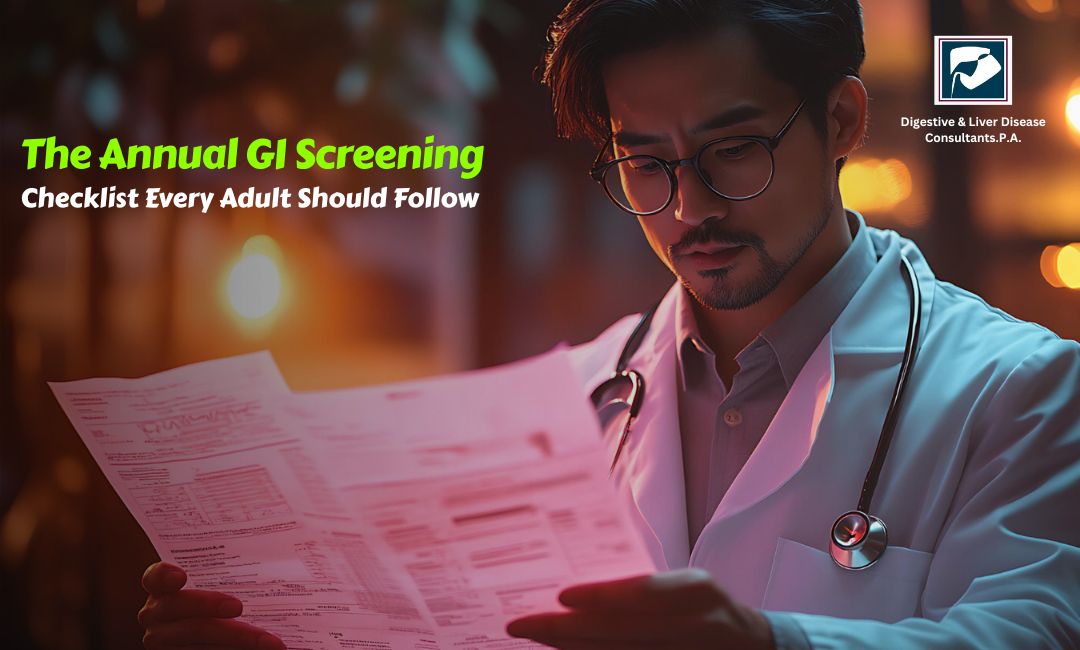
An annual gastrointestinal health check helps detect potential problems early, allowing doctors to treat conditions before they become serious. From simple blood tests to specialized procedures like colonoscopy, preventive screenings are a key part of long term digestive health.
Here is a practical adult digestive screening checklist every adult should consider as part of their routine health care.
Why GI Screening Matters?
The digestive system includes the esophagus, stomach, liver, pancreas, intestines, and colon. These organs work together to process food, absorb nutrients, and eliminate waste.
However, various conditions can affect digestive health, including:
- Colon cancer
- Liver disease
- Gastritis
- Peptic ulcers
- Inflammatory bowel disease
- Gallbladder disorders
Many of these conditions can progress without noticeable symptoms. Regular preventive digestive care helps detect these issues at an early stage.
Early diagnosis through GI screening tests can significantly improve treatment outcomes and prevent serious complications.
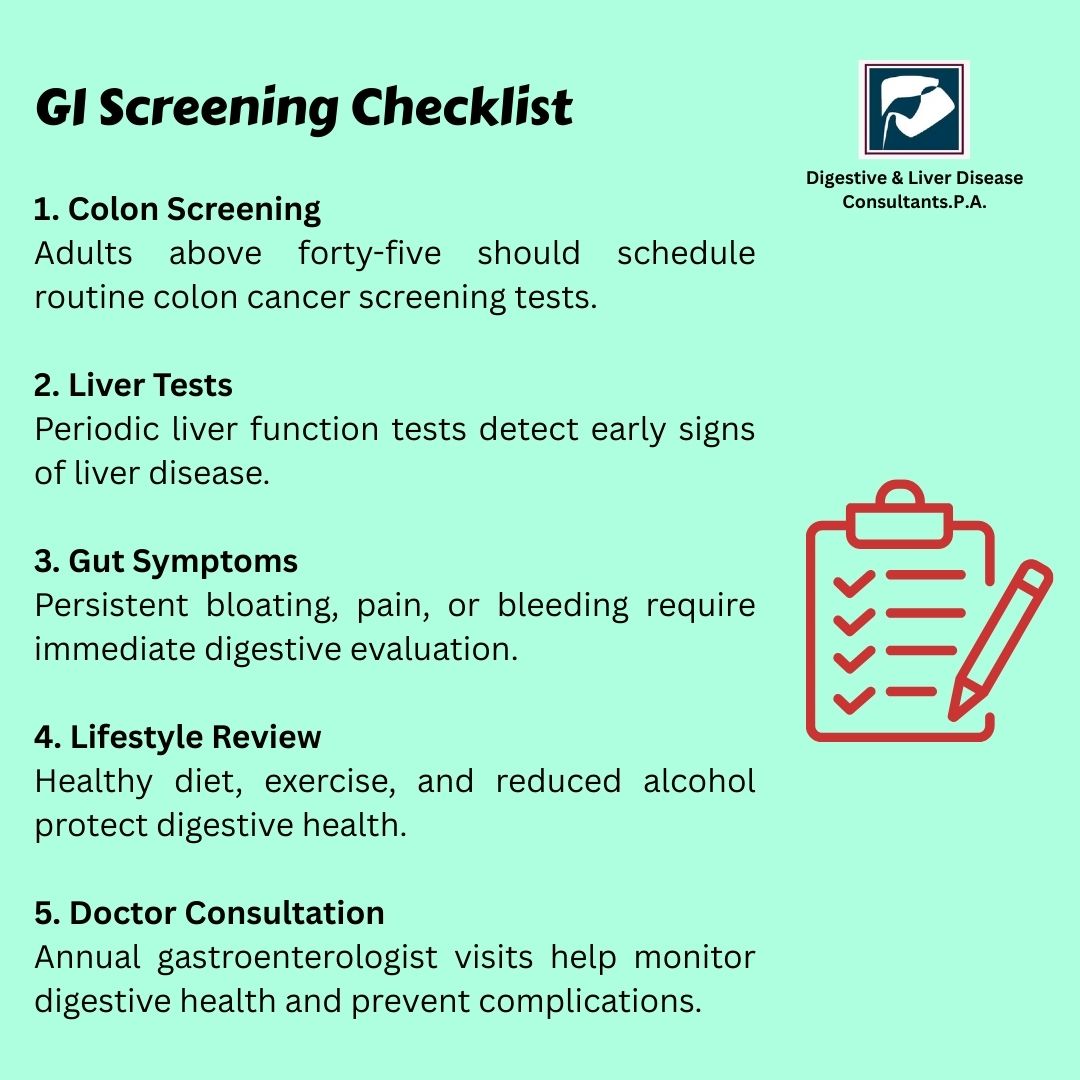
Annual Digestive Health Screening Basics
Every adult should consider a yearly annual digestive checkup, especially if they have risk factors such as family history of gastrointestinal disease, obesity, or long term digestive symptoms.

A routine digestive screening may include:
- Blood tests
- Stool tests
- Imaging studies
- Endoscopic procedures
Doctors select appropriate preventive GI health tests based on a patient’s age, symptoms, and medical history.
Liver Function Test Screening
The liver plays a vital role in metabolism and detoxification. A liver function test screening measures enzymes and proteins in the blood to evaluate how well the liver is working.
This test can help detect:
- Fatty liver disease
- Hepatitis
- Liver inflammation
- Early liver damage
Regular liver testing is particularly important for individuals who consume alcohol, take long term medications, or have metabolic conditions such as diabetes.
Stool Test for Colon Cancer
A stool test for colon cancer is a simple and non invasive screening method that detects hidden blood or abnormal DNA in stool samples.
These tests help identify early signs of colorectal cancer or precancerous polyps. Because the test can be performed at home, it is often recommended as an initial screening tool.
If results are abnormal, doctors may recommend further evaluation with colonoscopy.
Colon Cancer Screening Tests
Colon cancer is one of the most preventable cancers when detected early. Regular colon cancer screening tests allow doctors to identify polyps before they develop into cancer.
Common screening methods include:
- Stool based screening tests
- Flexible sigmoidoscopy
- Colonoscopy
These tests play a critical role in early detection digestive diseases, particularly colorectal cancer.
Colonoscopy Screening Guidelines
A colonoscopy is considered the most comprehensive screening test for colon health. During the procedure, a flexible camera is used to examine the entire colon and rectum.
Current colonoscopy screening guidelines generally recommend that adults begin screening around age 45. However, people with a family history of colorectal cancer may need earlier testing.
If no abnormalities are found, colonoscopy may only be required every ten years. In higher risk individuals, screening intervals may be shorter.
Understanding when to get colonoscopy depends on personal risk factors and physician recommendations.
Endoscopy Screening Test
An endoscopy screening test is used to examine the upper digestive tract, including the esophagus, stomach, and upper small intestine.
Doctors may recommend endoscopy if patients experience symptoms such as:
- Persistent heartburn
- Difficulty swallowing
- Chronic stomach pain
- Unexplained nausea
- Suspected ulcers
This procedure allows doctors to directly visualize the digestive lining and detect inflammation, ulcers, or early signs of cancer.
Screening for Stomach Problems
Routine screening for stomach problems may be necessary for individuals experiencing ongoing digestive discomfort.
Symptoms that may require evaluation include:
- Persistent bloating
- Frequent indigestion
- Abdominal pain
- Nausea or vomiting
- Loss of appetite
Diagnostic tests such as endoscopy or imaging studies help identify the cause and guide treatment.
Additional Preventive GI Health Tests
In addition to major procedures like colonoscopy or endoscopy, several other preventive GI health tests support digestive monitoring.
These may include:
- Complete blood count
- Abdominal ultrasound
- H. pylori testing
- Metabolic panel
- Vitamin deficiency screening
These tests provide valuable insights into digestive and metabolic health.
Who Should Prioritize Digestive Screening?
While everyone benefits from routine health monitoring, certain individuals should be especially proactive about digestive health screening.
Risk factors include:
- Family history of colon cancer
- Chronic digestive symptoms
- Obesity
- Smoking
- Heavy alcohol consumption
- Long term use of certain medications
People with these risk factors may require earlier or more frequent GI screening tests.
Benefits of Early Detection
Early detection is one of the most powerful tools in modern medicine. Identifying digestive conditions early allows doctors to provide treatment before complications develop.
Advantages of routine gastrointestinal health check programs include:
- Early diagnosis of cancer or precancerous polyps
- Prevention of serious digestive diseases
- Improved treatment outcomes
- Reduced healthcare costs over time
Preventive care empowers patients to take control of their long term health.
Maintaining Digestive Health Year Round
Screening is only one part of digestive wellness. Healthy lifestyle habits also play a major role in supporting the digestive system.
Important steps include:
- Eating a fiber rich diet
- Drinking enough water
- Staying physically active
- Limiting alcohol consumption
- Avoiding tobacco use
- Managing stress levels
Combining lifestyle habits with regular annual digestive checkup appointments provides a strong foundation for digestive health.
Why Choose Digestive & Liver Disease Consultants, P.A.?
At Digestive & Liver Disease Consultants, P.A., patients receive comprehensive care for the full spectrum of digestive conditions. Our specialists focus on preventive care, early diagnosis, and advanced treatment options for gastrointestinal disorders.
We offer a complete range of GI screening tests, including colonoscopy, endoscopy, liver evaluations, and diagnostic procedures tailored to each patient’s needs.
Our patient centered approach ensures that individuals receive personalized guidance for preventive digestive care, helping them maintain long term digestive wellness.
Conclusion
Digestive health should never be ignored. Many serious conditions develop silently, making routine screening an essential part of preventive healthcare.
Following an adult digestive screening checklist helps detect potential issues early and ensures timely medical care. From liver function test screening to colon cancer screening tests, regular monitoring can significantly reduce the risk of serious digestive disease.
By prioritizing annual digestive health screening, adults can protect their gastrointestinal system and maintain better overall health.
If it has been a while since your last digestive checkup, now is the perfect time to take action. Schedule your annual digestive checkup with our GI specialists at Digestive & Liver Disease Consultants, P.A. and stay proactive about your digestive health.